
Post
Advanced Acupotomy in Seoul: Root Cause Pain Relief at BoneCure Korean Medicine Clinic
Hello. I am Dr. Song Jeong-hyun, a practitioner of traditional Korean medicine who has focused on acupotomy for many years. At BoneCure Korean Medicine Clinic, my practice centers on the philosophy of root cause treatment, utilizing specialized tools to address deep-seated tissue adhesions and structural imbalances.
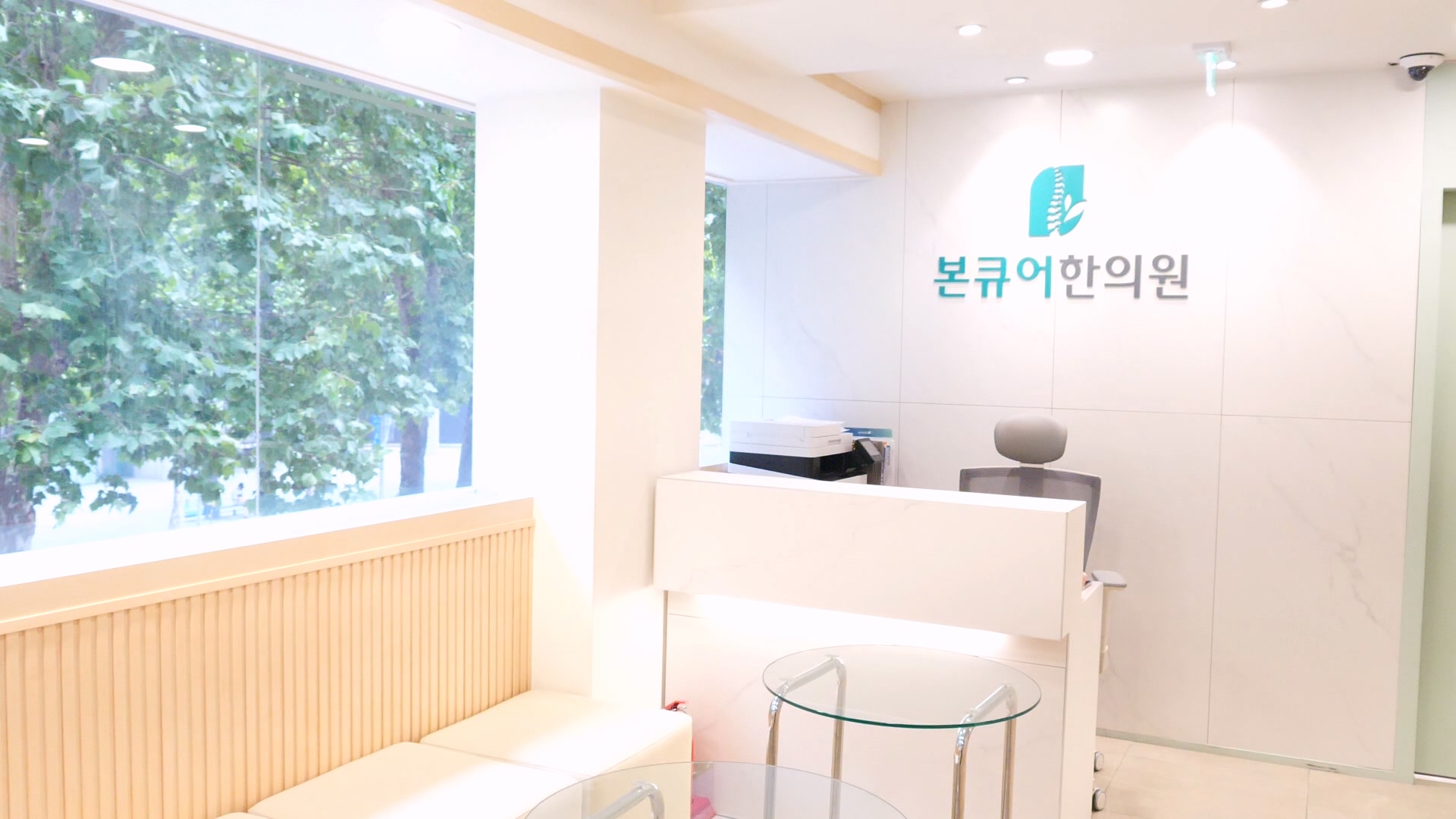
By combining traditional principles with modern diagnostic observations, I aim to provide clarity and long-term relief for patients dealing with persistent health challenges in 2025. My approach focuses on identifying why the body is out of balance rather than just masking the pain, ensuring that every patient can regain a healthy and balanced daily life. When your bones are properly aligned and your nervous system is free from interference, your overall quality of life improves significantly. I am dedicated to providing a clinical environment where science and tradition meet to foster genuine healing.
Understanding Modern Traditional Korean Medicine in Seoul
An acupuncture clinic in Seoul represents a healthcare facility where practitioners apply traditional Korean medicine (TKM) to treat diverse ailments. In a modern context, these clinics serve as essential bridges between time-honored eastern philosophies and evidence-based diagnostic procedures. At BoneCure Korean Medicine Clinic, I aim to provide clarity on how these methods address modern health challenges through a scientific and patient-centered lens.
The Evolving Role of an Acupuncture Clinic in Seoul
The role of an acupuncture clinic in Seoul has transitioned from treating simple muscular strain to managing complex, chronic conditions through a comprehensive medical framework. In 2025, residents and international visitors seek BoneCure Korean Medicine Clinic for solutions that prioritize long-term recovery over temporary symptom suppression. My practice focuses on identifying the underlying structural and neurological imbalances that contribute to persistent pain, such as the entrapment of nerves within thickened soft tissues. This evolution is driven by a growing demand for non-surgical interventions that utilize specialized tools like the acupotomy needle to release chronic adhesions. While traditional clinics often limited their scope to meridian balance, modern facilities in areas like Samseong-ro integrate structural analysis to provide a more holistic view of patient health. By maintaining a patient-centered approach, we ensure that every visitor receives a treatment plan tailored to their specific lifestyle and physiological needs, reflecting a broader trend in Seoul’s healthcare landscape toward integrative wellness.
Integrating Traditional Wisdom with Modern Diagnostic Tools
Integrating traditional wisdom with modern diagnostic tools allows us to bridge the gap between ancient healing and contemporary science. At BoneCure Korean Medicine Clinic, I utilize objective metrics, such as whole spine X-ray analysis, to evaluate the structural integrity of the skeletal system. This first step in our process ensures that we are not just treating symptoms but understanding the mechanical causes of discomfort. For example, a patient experiencing chronic neck or back pain might undergo a detailed postural assessment before any treatment is applied. By observing the alignment of the vertebrae and the balance of the pelvis, I can pinpoint exactly where the tension originates. This scientific approach provides a clear roadmap for the treatment journey. We combine these modern visuals with traditional pulse and physical evaluations to gain a full picture of the body's internal state. This dual-layered diagnostic process increases the precision of our acupuncture sessions, allowing for more targeted interventions that respect the unique physiology of each individual patient.
Comprehensive Approaches to Traditional Korean Medicine Treatment
Comprehensive approaches to traditional Korean medicine treatment involve the use of multiple modalities to achieve systemic balance. At BoneCure Korean Medicine Clinic, I often combine acupuncture, Chuna therapy, and herbal medicine to address the three core values of our practice: root cause treatment, immediate improvement, and scientific proof. For individuals dealing with systemic issues such as autonomic dysfunction, a singular approach may not be sufficient. Instead, we use a process that first releases physical tension around the spine and then focuses on internal vitality through customized herbal prescriptions. This integrative strategy ensures that the body has the resources it needs to heal from within. Furthermore, we emphasize the importance of identifying specific nerve entrapment points that cause unusual sensations like heat or burning. By addressing both the physical structure and the internal environment, we help patients achieve a more resilient state of health. Our goal is to make treatments impactful and efficient, focusing only on the procedures that are absolutely necessary for the patient's recovery.
Advanced Therapeutic Modalities: Acupotomy and Chuna Therapy
Advanced therapeutic modalities such as acupotomy and Chuna therapy are specialized techniques used to treat structural and soft tissue disorders. These methods are designed to restore normal function by physically releasing adhesions or realigning the skeletal system. At BoneCure Korean Medicine Clinic, I prioritize these advanced procedures for patients who have not found relief through conventional methods.
Acupotomy for Root Cause Treatment of Chronic Adhesion
Acupotomy stands at the forefront of my practice, offering a robust solution for chronic tissue adhesions that standard needles cannot reach. This specialized modality uses a blade-tipped needle to physically release scarred or thickened tissues, which often cause nerve compression and limited mobility. In my clinical experience, I have managed specific cases, such as an individual suffering from 18 years of chronic tinnitus where adhesions in the cervical area were a significant contributing factor. While the procedure is highly effective for root cause treatment, it is important to note that patients may experience temporary soreness, minor bruising, or temporary bleeding at the site. In rare cases, infection may occur. For one particular patient with severe tinnitus, we observed a reduction in their evaluation score from 54 points to 2 points after a targeted treatment course; however, this does not guarantee identical results for all. Individual responses vary, and chronic conditions typically necessitate a consistent, multi-session approach to achieve stable and lasting results.
Restoring Alignment with Chuna Manual Therapy
Restoring alignment with Chuna manual therapy is an essential component of correcting the structural imbalances that lead to chronic pain. Chuna is a procedure where I use my hands and a specialized table to apply pressure, traction, and mobilization to the patient's joints and muscles. This technique is particularly effective for those suffering from spinal misalignments or chronic postural issues. At BoneCure Korean Medicine Clinic, I view the body as an interconnected system where a misalignment in the pelvis can cause compensation in the neck and shoulders. By performing Chuna, I aim to normalize these structural relations, which often leads to an immediate feeling of increased range of motion and reduced pressure. For one patient with a visibly slumped posture, structural Chuna therapy resulted in measurable alignment improvements that were clearly visible on post-treatment X-rays. It is crucial to remember that Chuna is most effective when the patient also focuses on maintaining a balanced posture in their daily life. We focus on firm and precise adjustments to ensure the patient's safety throughout the restorative process.
Scientific Proof and Clinical Observations in Spinal Health
Scientific proof and clinical observations in spinal health are vital for validating the effectiveness of traditional treatments. At BoneCure Korean Medicine Clinic, I rely on measurable data, such as specialized evaluation scales for tinnitus and pain. In one specific case I managed, a patient's tinnitus symptoms improved from a score of 54 to 2 over a treatment course, though results vary by individual. These metrics provide tangible evidence of progress that both the practitioner and the patient can understand. In my clinical case reports, which document specific outcomes and do not guarantee results for every patient, I have documented how spinal manipulation can impact conditions like idiopathic scoliosis or post-concussion syndrome. For example, patients with spinal curvature have shown measurable improvement in their X-ray alignment after a series of targeted procedures. I believe that providing this level of transparency is necessary for building trust and proving that traditional methods have a scientific basis. By consistently documenting these clinical observations, we contribute to a growing body of evidence supporting the use of acupotomy for neurological and structural issues.
Comparative Analysis of Treatment Techniques for Chronic Pain
A comparative analysis of treatment techniques for chronic pain involves the evaluation of different modalities to determine the most appropriate course of action for a specific patient. This comparison helps patients understand the unique benefits of each procedure. At BoneCure Korean Medicine Clinic, I provide this information to ensure that my patients are well-informed about their treatment options.
Traditional Acupuncture vs. Advanced Acupotomy
Understanding the difference between traditional acupuncture and advanced acupotomy is key for patients choosing their treatment path. Traditional acupuncture typically uses fine needles to stimulate specific points to balance the body's internal state. In contrast, acupotomy utilizes a specialized needle with a small blade at the end, designed for breaking down tough, fibrotic adhesions that cause chronic pain. I may recommend traditional acupuncture for mild muscle tension, while acupotomy is often reserved for chronic pain that has persisted for months or years. The sensation of acupotomy is more intense than traditional needles, and potential side effects include localized pain, minor bleeding, or temporary bruising. Because acupotomy physically detaches adhered tissues, it targets the root cause of stiffness more directly. Both methods have their place in a health plan, and the choice depends on the depth and chronicity of the underlying condition. We ensure that every procedure is explained in detail to the patient so they know what to expect during their recovery.
| Feature | Traditional Acupuncture | Advanced Acupotomy |
|---|---|---|
| Primary Goal | Balancing internal state | Releasing tissue adhesions |
| Needle Design | Fine, flexible filament | Specialized blade-tipped needle |
| Target Area | Surface-level points | Deep, thickened, or scarred tissue |
| Typical Condition | Acute pain and stress relief | Chronic pain and structural issues |
| Frequency | 1-2 times per week | Varies by individual diagnosis |
Synergy of Moxibustion and Cupping Therapy
The synergy of moxibustion and cupping therapy provides a powerful adjunct to needle-based treatments. Moxibustion involves the application of heat to specific points to stimulate blood flow and warm the body's internal environment. Cupping therapy uses suction to facilitate muscle relaxation and improve local circulation. When used together, these two techniques create a thermal and mechanical effect that enhances the body's natural healing response. For a patient with chronic coldness or poor circulation in the extremities, moxibustion can provide deep, penetrating warmth. Cupping is often applied to the back to release large muscle groups that have become stiff from stress or poor posture. This combination is especially effective for improving the flow of blood to damaged tissues. By incorporating these traditional methods alongside modern acupotomy, we offer a more complete therapeutic experience that addresses both the physical structure and the body's internal circulation, helping patients feel lighter and more energized.
Tailored Consultations for Holistic Health Management
Tailored consultations for holistic health management are comprehensive diagnostic sessions where I evaluate every aspect of a patient's health. These consultations go beyond immediate symptoms to explore structural alignment, neurological function, and lifestyle factors. I believe that a thorough understanding of the patient's history is the foundation of successful treatment. At BoneCure Korean Medicine Clinic, we take the time to listen to your concerns and analyze your body's unique structural needs.
Korean Medicine for Autonomic and Systemic Vitality
Korean medicine for systemic vitality focuses on the idea that the spine and the autonomic nervous system are the centers of health. At BoneCure Korean Medicine Clinic, I see many patients whose chronic pain is linked to autonomic dysfunction. This can manifest as an unusual burning or heat sensation in the back, known as dorsal burning sensation or baeyeol-jeung. Through a combination of acupotomy and Chuna, we work to release nerve entrapments, such as those affecting the thoracic dorsal rami. For instance, in a case involving a patient with Parkinsonism, we observed that releasing adhesions in the upper cervical area led to a visible improvement in slow movement (bradykinesia). This approach not only resolves local pain but also improves the overall function of the nervous system. By addressing these deep-seated neurological and structural issues, we help patients restore their body's overall balance and systemic vitality, leading to a more active and comfortable daily life.
Customized Herbal Medicine Prescriptions
Customized herbal medicine prescriptions are a cornerstone of the specialized care I provide. These prescriptions are formulated based on individual herbs selected for their specific properties and their interaction with the patient's constitution. I analyze the patient's current symptoms, such as fatigue or poor circulation, to create a unique blend that supports recovery. For instance, a patient recovering from a long-term structural injury might receive herbs that promote tissue regeneration and reduce inflammation. These decoctions are typically taken regularly over several weeks to achieve a cumulative effect on the body's internal health. It is important to note that herbal medicine should be used under the guidance of a qualified practitioner to ensure safety and effectiveness. We monitor the patient's progress throughout the course and adjust the formula as their condition improves, ensuring that the treatment remains perfectly aligned with their changing needs.
Integrative Medicine Strategies in Cheongdam-dong
Integrative medicine strategies in Cheongdam-dong combine traditional perspectives with modern diagnostic imaging to provide effective healthcare. I collaborate with imaging centers to ensure that patients receive accurate X-ray, CT, or MRI scans when necessary. In 2025, the demand for such integrative care is high, as patients seek nuanced approaches to complex health issues. My practice emphasizes the use of objective data to guide these collaborations, ensuring that every treatment decision is based on the patient's actual structural progress. Whether it is managing a recovery session for a chronic condition or a rehabilitation plan for a recent injury, our goal is to provide a seamless experience that prioritizes the patient's long-term health. By staying at the cutting edge of both traditional and modern medicine, we offer a path to recovery that is both culturally grounded and scientifically rigorous for all those seeking health in the heart of Seoul.
Key Takeaways
- BoneCure Korean Medicine Clinic provides advanced acupotomy and Chuna therapy to address the root causes of chronic pain and nerve entrapment.
- Treatment plans are guided by objective diagnostic tools, including whole spine X-rays and scientific evaluation scales for symptoms like tinnitus.
- Acupotomy is a specialized procedure designed to release deep tissue adhesions, though individual results and recovery times vary.
- Potential side effects of acupotomy include temporary pain, minor bleeding, or bruising. In rare cases, infection may occur at the treatment site.
- A holistic approach that addresses the autonomic nervous system and spinal alignment supports systemic vitality and long-term daily health.
Frequently Asked Questions
Q. What should I expect during my first consultation at an acupuncture clinic in Seoul?
Hello. I am Dr. Song Jeong-hyun. During your first visit to BoneCure Korean Medicine Clinic, we perform a thorough assessment using objective metrics and diagnostic tools, such as X-ray analysis, to understand your unique physical condition. We discuss your medical history and specific symptoms to create a tailored treatment plan that focuses on structural alignment and root cause recovery.
Q. How does acupotomy differ from standard acupuncture for chronic pain?
Standard acupuncture focuses on balancing the body's internal state, while acupotomy uses a specialized blade-tipped needle to physically release adhesions in stiffened or scarred tissues. This approach targets the root cause of chronic pain by facilitating tissue regeneration. It is important to note that while effective, individual recovery times and responses vary depending on the nature of the condition.
Q. Are there any side effects associated with acupotomy or Chuna therapy?
As with any medical procedure, some patients may experience temporary pain, minor bleeding, or bruising at the treatment site. While rare, infection is a possibility. I ensure all procedures follow strict hygiene protocols to minimize these risks. I always discuss these potential effects and individual recovery expectations with patients before we begin any treatment.
Q. Can traditional Korean medicine help with nerve-related burning sensations in the back?
Yes, we focus on identifying potential nerve entrapments in the thoracic or cervical areas. Symptoms like a dorsal burning sensation (baeyeol-jeung) are often linked to autonomic dysfunction and structural tension. By using acupotomy to release these entrapments and Chuna to align the spine, we can help normalize the nervous system's function.
Q. How many sessions are typically required for chronic spinal conditions?
The number of sessions depends on the severity and duration of your condition. While some patients report feeling an immediate change in mobility or pressure after one session, chronic or severe cases often require a series of treatments to achieve stable results. Each treatment plan is managed individually to ensure the most appropriate outcome for each specific patient.
Q. What is the cost of acupuncture treatment in Seoul?
Treatment costs vary depending on the complexity of the diagnosis and whether specialized techniques like acupotomy or customized herbal medicine are required. For specific pricing details based on your individual diagnostic needs and recommended treatment plan, a consultation at BoneCure Korean Medicine Clinic is necessary to provide an accurate estimate.
Q. Are the results of your clinical case reports applicable to everyone?
My case reports document the progress of specific individuals under my care, such as a patient whose tinnitus score improved significantly. These results are not a guarantee of identical outcomes for all patients, as physical responses to treatment differ for every person. We focus on your unique path to healing through personalized care.
BoneCure Korean Medicine Clinic / Dr. Song Jeong-hyun
FAQ
- What should I expect during my first consultation at an acupuncture clinic in Seoul?
- Hello. I am Dr. Song Jeong-hyun. During your 1st visit, we perform a thorough assessment using objective metrics and diagnostic tools to understand your unique physical condition. We discuss your medical history and current symptoms to create a tailored treatment plan that addresses your specific needs.
- How does acupotomy differ from standard acupuncture for chronic pain?
- Standard acupuncture focuses on meridian points, while acupotomy uses 1 specialized blade-like needle to release adhesions in stiffened tissues. This approach aims for root cause treatment by facilitating tissue regeneration. It is important to note that while effective, individual recovery times vary depending on the severity of the condition.
- Are there any side effects associated with acupotomy or chuna therapy?
- As with any medical procedure, some patients may experience temporary pain, minor bleeding, or bruising at the site of treatment. While rare, infection is a possibility, and I ensure all procedures follow strict hygiene protocols to minimize these risks. I always discuss these potential effects with patients before we begin.
- Can traditional Korean medicine help with digestive health issues?
- Yes, we focus on restoring the balance of the autonomic nervous system and improving gastrointestinal motility. This is achieved through a combination of acupuncture, moxibustion, and personalized herbal medicine prescriptions tailored to your constitution. Improved digestion often supports the recovery of other chronic conditions.
- How many sessions are typically required for chronic spinal conditions?
- The number of sessions depends on the severity and duration of the condition. While some patients report improvement after 1 session, chronic or severe cases often require a series of treatments to achieve stable results. Each case is managed individually to ensure the best possible outcome.
- What is the cost of acupuncture treatment in Seoul?
- Treatment costs vary depending on the complexity of the procedure and whether specialized techniques like acupotomy or customized herbal medicine are included. For specific pricing details based on your individual diagnosis and treatment plan, a consultation at Bonecure Blog is necessary. We prioritize providing value through high-quality, personalized care.
- Are the results of your clinical case reports applicable to everyone?
- My case reports, such as those involving 18-year chronic tinnitus or spinal curvature, document the progress of specific individuals under my care. These results are not a guarantee of identical outcomes for all patients, as physical responses to treatment differ for every person. We always focus on your unique path to healing.