
Post
A 2026 Clinical Guide to Structural Recovery in Seoul: Specialized Care at BonCure
Hello. I am Song Jung-hyun, a Korean medicine practitioner who has focused primarily on Acupotomy for many years. When patients seek specialized Korean medicine in Seoul, they are often searching for a practitioner who focuses on addressing the root cause of physical discomfort through structural restoration. At BonCure, our philosophy is simple: when your bones smile, life smiles.
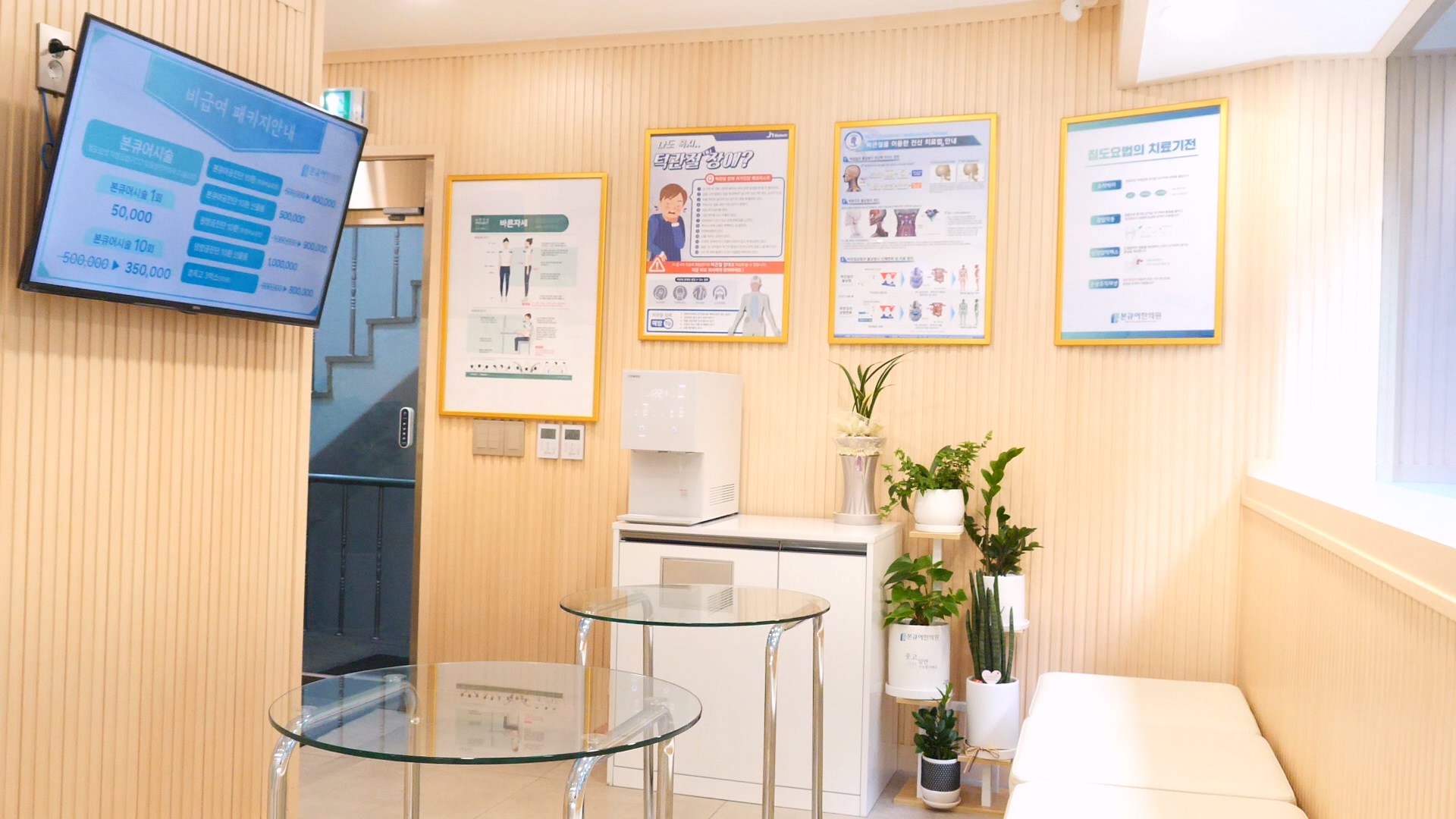
We believe that true health begins with the correct alignment of the skeletal system and the balance of the autonomic nervous system.
Defining Specialized Care in Structural Korean Medicine
Specialized Korean medicine in Seoul is characterized by the ability to provide evidence-based, structural interventions that go beyond temporary pain relief. This professional standard requires the integration of traditional medical theory with precise diagnostic analysis, often conducted in collaboration with specialized imaging centers, to identify how spinal misalignments contribute to systemic dysfunction. A practitioner must possess the clinical expertise to handle refractory cases that have not responded to standard treatments, using specialized tools to restore the body’s natural equilibrium. By prioritizing structural health and efficient, targeted interventions, a doctor can help patients achieve significant improvements in both mobility and internal organ function.
BonCure's Core Philosophy: When Your Bones Smile, Life Smiles
The criteria for selecting a Korean medicine clinic often revolve around clinical experience and specialized methodology rather than just general practice. In the medical landscape of Seoul, a dedicated practitioner should demonstrate a deep understanding of structural integrity and how it impacts the autonomic nervous system. Patients seeking care at BonCure often prioritize doctors who provide more than temporary symptom management. Rather than relying on a large-scale hospital setting, our clinic focuses on a personalized, direct treatment model. We integrate traditional wisdom with modern diagnostic data, such as whole-spine X-ray analysis conducted through our trusted referral partners, to identify the root cause of physical dysfunction. This involves a rigorous assessment of skeletal alignment and its relationship to chronic ailments. By focusing on evidence-based results and documented case reports, a practitioner can offer a high standard of care that addresses intractable pain and systemic imbalances. Ultimately, finding the right specialist means looking for someone who treats the body as an interconnected system where structural health is the foundation of wellness.
The Role of a Korean Medicine Practitioner in Modern Healthcare
In the modern healthcare environment of 2026, a Korean medicine practitioner serves as a bridge between holistic healing and contemporary anatomical science. This role is particularly crucial for patients suffering from lifestyle-related chronic disorders and stress-induced physical symptoms. At BonCure, we emphasize that a doctor's primary responsibility is to provide impactful and efficient care. Our system is designed for high-density treatment, focusing on essential procedures like Acupotomy and Chuna to ensure that each 10-to-20-minute session provides maximum structural benefit. A skilled practitioner utilizes non-surgical methods to address issues like disc herniation and cervical instability without the need for invasive procedures. By carefully monitoring the patient's progress through objective indicators, a doctor can adjust treatment plans to ensure the most effective recovery path. This results-oriented approach ensures that each individual receives intensive care tailored to their physiological needs. Furthermore, the practitioner must remain committed to ongoing research and clinical documentation to validate the efficacy of traditional treatments in a modern scientific context.
Advanced Clinical Techniques: The Science of Acupotomy
Acupotomy is a specialized clinical procedure that uses a blade-shaped needle to perform a microscopic surgical release of soft tissue adhesions. Unlike standard acupuncture, which targets specific points to regulate energy flow, Acupotomy is designed to physically detach hardened scar tissue and adhesions that restrict movement and compress vital nerves. This technique is grounded in the science of biomechanics and tissue regeneration, providing a structural solution for chronic pain that has become localized and resistant to conventional massage or heat therapy. By restoring the sliding mechanism between muscle layers, Acupotomy allows for the return of normal physiological function and improved circulation to damaged areas.
Adhesion Release and Tissue Regeneration through Acupotomy
Acupotomy represents a sophisticated evolution of traditional acupuncture, focusing on the mechanical release of internal adhesions and hardened tissues. This technique utilizes a specialized blade-shaped needle designed to enter the skin and physically detach scar tissue that often compresses nerves and blood vessels. At BonCure, this method is central to treating chronic conditions that have failed to respond to conventional therapies. By releasing these deep-seated adhesions, the procedure facilitates improved blood flow and triggers the body's natural regenerative processes. While the process is designed to be efficient and impactful, it may involve temporary discomfort or mild soreness during the intervention. It is important to note that individual responses to Acupotomy vary, and some patients may experience minor bruising, local tenderness, or, in rare cases, infection at the site. This structural intervention is particularly effective for those suffering from long-standing musculoskeletal issues where tissue elasticity has been significantly compromised.
Scientific Validation and Clinical Case Reports by Director Song Jung-hyun
Clinical evidence is the cornerstone of effective medical practice, and at BonCure, we rely on documented case reports to validate our structural approach. For example, we apply structural alignment and Acupotomy principles to help manage chronic tinnitus and sudden hearing loss by addressing the underlying physical tensions. Our clinical approach aims to improve auditory perception and reduce distress by restoring the body's natural balance. These outcomes are documented to provide a transparent look at how structural recovery can influence complex neurological symptoms. It is essential to recognize that these results represent individual cases and may not be typical for every patient; outcomes depend on the severity and duration of the condition. By utilizing objective measures such as whole-spine X-ray analysis conducted via referral before and after treatment, we can track the improvement in spinal curvature and skeletal symmetry. This commitment to scientific documentation ensures that our methods are constantly refined and held to high clinical standards.
Comprehensive Care for Complex and Refractory Conditions
Comprehensive care in Korean medicine involves looking at the patient as a whole, specifically focusing on how structural misalignments affect the nervous system and internal organs. Many conditions that seem unrelated to the spine, such as dizziness or digestive issues, can often be traced back to cervical or thoracic instability. By addressing these complex conditions through a combination of Acupotomy, Chuna manual therapy, and herbal medicine, we can promote autonomic balance and systemic health. This integrative approach is particularly beneficial for refractory conditions that have not seen improvement through symptom-focused medication or standard physical therapy.
Treating Dizziness, Tinnitus, and Autonomic Dysfunction
Many patients visit BonCure seeking relief from persistent dizziness and tinnitus, conditions that are frequently linked to autonomic dysfunction caused by cervical spine issues. When the upper cervical vertebrae are misaligned, they can exert pressure on the surrounding nerves and blood vessels, disrupting the signals sent to the brain and inner ear. Our treatment protocol focuses on correcting these structural irregularities to restore proper neural communication and vascular flow. These protocols are designed to help reduce the frequency of vertigo episodes by focusing on structural stability. However, because these conditions are often chronic and deep-rooted, multiple sessions are typically required to achieve stable structural recovery. Patients are also advised that potential side effects can include temporary lightheadedness or fatigue as the body adjusts to the new alignment. By focusing on the structural root of autonomic imbalance, we provide a path toward long-term stabilization for patients who have often felt exhausted by conventional treatments.
Dr. Song Jeong-hyeon: Advanced Structural Recovery and Acupotomy at BonCure 2026
Personalized Treatment Plans for International Patients
Seoul has become a global hub for medical tourism, and BonCure offers personalized treatment plans for international patients seeking specialized care. We understand that patients traveling from abroad often have limited time and require intensive, high-impact therapy to address long-standing issues. Our team coordinates closely with each individual to design a schedule that maximizes the benefits of Acupotomy and structural alignment within their stay. This process involves a comprehensive diagnostic assessment, including a review of medical history and external imaging results. By tailoring our approach to the specific needs of the international community, we ensure that the quality of care remains high regardless of the patient's origin. It is our goal to provide a seamless experience where patients feel supported. While we strive for immediate improvements, we emphasize that chronic conditions may require follow-up care or maintenance once the patient returns home. This holistic and personalized focus has made us a destination for those looking for specialized structural care in Seoul.
Specialized Structural Focus at BonCure
At BonCure, we focus on advanced Acupotomy designed for chronic, structural issues involving tissue adhesions. While traditional acupuncture is widely used for general wellness, our approach utilizes detailed analysis of whole-spine X-rays (via referral) to treat the body based on objective skeletal data. This allows us to target deep-seated adhesions and structural misalignments that may not respond to conventional methods. Our goal is to promote tissue regeneration and long-term structural restoration for patients with complex needs.
Frequently Asked Questions
Q. What should I look for when choosing a Korean medicine clinic in Seoul?
When searching for a specialized practitioner, look for clinical expertise in techniques like Acupotomy, a track record of published case reports, and a focus on structural alignment. It is important to find a clinic that utilizes objective diagnostic data, such as X-rays from diagnostic partners, to ensure the treatment is based on your actual skeletal structure. This evidence-first approach helps in identifying the root cause of chronic pain.
Q. What is Acupotomy and how does it differ from regular acupuncture?
Acupotomy uses a specialized blade-shaped needle to release internal adhesions and scar tissue that may be compressing nerves. Unlike standard acupuncture which focuses on energy flow, Acupotomy physically treats structural issues to promote tissue regeneration and improved mobility. This makes it an intensive intervention for chronic conditions where tissues have become hardened over time.
Q. Is Acupotomy painful, and are there any side effects?
While the procedure can involve temporary discomfort during the release of deep-seated adhesions, many patients report immediate improvements in movement. Potential side effects include temporary soreness, minor bleeding, bruising, or rare instances of infection at the site. We monitor the patient's reaction closely to ensure safety and focus on essential, efficient treatment during the process.
Q. Can Korean medicine help with chronic conditions like tinnitus or dizziness?
Yes, cases involving autonomic dysfunction or structural misalignments in the neck can often lead to these symptoms. Director Song Jung-hyun has published case reports demonstrating improvements in these areas through specialized spinal alignment and Acupotomy. However, these are complex conditions, and individual results can vary based on the severity and duration of the symptoms.
Q. How many sessions are typically required for chronic back pain?
Treatment duration varies significantly based on the individual's condition. While we aim for immediate changes, chronic or severe cases generally require multiple sessions to achieve stable structural recovery and long-term results. We assess progress during each session to determine the most effective frequency for your specific recovery path.
Q. Does BonCure provide services for international patients visiting Seoul?
Yes, BonCure frequently treats international patients who seek specialized structural therapy. We offer personalized consultations to accommodate the schedules of those traveling from abroad for intensive, impactful treatment. Our team is experienced in helping international visitors understand their diagnosis and treatment plan clearly.
Q. Are the results of Korean medicine treatments scientifically proven?
BonCure relies on objective indicators, such as whole-spine X-ray changes (via referral) and validated assessment scales for pain and anxiety, to track progress. Director Song Jung-hyun has documented these outcomes in various clinical case reports. Please note that these reports are based on specific clinical cases and do not guarantee the same results for every patient.
Key Takeaways
- Seeking specialized care in Seoul involves looking for practitioners experienced in structural alignment and Acupotomy.
- BonCure focuses on the root cause of pain by releasing tissue adhesions and correcting spinal misalignments through efficient sessions.
- Acupotomy is a specialized tool used for tissue regeneration and is distinct from traditional acupuncture.
- Treatment for complex conditions like tinnitus and dizziness requires a holistic look at structural and autonomic balance.
- Objective diagnostics, such as whole-spine X-rays obtained through referral partners, are essential for personalized treatment plans.
For a consultation focused on high-impact structural recovery, please contact our clinic for an appointment.
BonCure Korean Medicine Clinic / Director Song Jung-hyun
FAQ
- What criteria should I use to find the best Korean medicine doctor in Seoul?
- When searching for a top practitioner, look for clinical expertise in specialized techniques like Acupotomy, a track record of published case reports, and a holistic approach that focuses on structural alignment. It is important to find a doctor who utilizes objective diagnostic tools like X-rays to ensure the treatment is based on your actual skeletal structure. This evidence-first approach helps in identifying the root cause of chronic pain rather than just masking symptoms.
- What is Acupotomy and how does it differ from regular acupuncture?
- Acupotomy uses a specialized blade-shaped needle to release internal adhesions and scar tissue that may be compressing nerves. Unlike standard acupuncture which focuses on energy flow, Acupotomy physically treats structural issues to promote tissue regeneration and improved mobility. This makes it a more intensive intervention for chronic conditions where tissues have become hardened or restricted over time.
- Is Acupotomy painful, and are there any side effects?
- While the procedure can involve temporary discomfort during the release of deep-seated adhesions, many patients report significant relief in movement immediately following the treatment. Potential side effects include temporary soreness, minor bleeding, or rare instances of infection at the site, similar to other needle-based interventions. We always monitor the patient's reaction closely to ensure safety and comfort during the process.
- Can Korean medicine help with chronic conditions like tinnitus or dizziness?
- Yes, cases involving autonomic dysfunction or structural misalignments in the neck can often lead to these symptoms. Director Song Jung-hyun has published case reports demonstrating improvements in these areas through specialized spinal alignment and Acupotomy. However, these are complex conditions, and individual results can vary based on the severity and duration of the symptoms.
- How many sessions are typically required for chronic back pain?
- Treatment duration varies significantly based on the individual's condition and how long the pain has persisted. Chronic or severe cases generally require multiple sessions to achieve stable structural recovery and long-term results. We typically assess progress after a few sessions to determine the most effective frequency for your specific recovery path.
- Does Bonecure provide services for international patients visiting Seoul?
- Yes, Bonecure frequently treats international patients who seek specialized structural therapy while visiting South Korea. We offer personalized consultations to accommodate the schedules of those traveling from abroad for intensive treatment. Our team is experienced in helping international visitors understand their diagnosis and treatment plan clearly.
- Are the results of Korean medicine treatments scientifically proven?
- Bonecure relies on objective indicators, such as whole-spine X-ray changes and validated assessment scales for pain and anxiety, to track patient progress. Director Song Jung-hyun has documented these outcomes in various clinical case reports to provide a scientific basis for our structural treatments. This commitment to data helps us refine our techniques and provide high-quality care based on observed results.