
Post
A 2026 Clinical Guide to Acupotomy and Structural Recovery in Cheongdam: The BonCure Approach
Hello. I am Dr. Song Jeong-hyeon, the representative director of BonCure Korean Medicine Clinic.
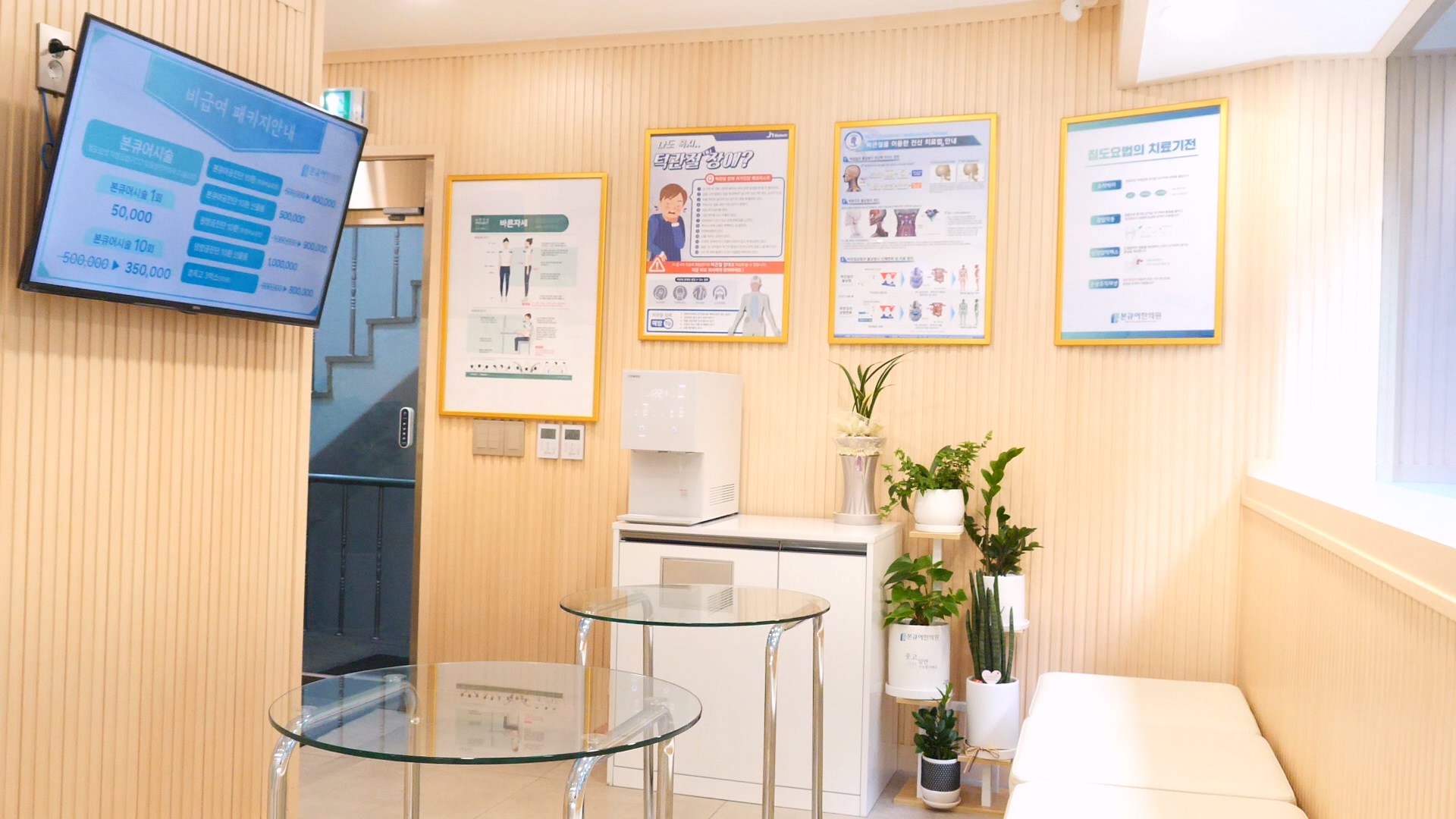
I have dedicated my career to mastering acupotomy (needle-knife therapy) and structural restoration. At our clinic in Cheongdam, we believe that "when your bones smile, life smiles." While supportive therapies like cupping are utilized for circulation, our primary mission is to identify and treat the root causes of pain through precise structural correction and tissue adhesion release.
The Core Principles of Structural Restoration at BonCure
True recovery begins with the alignment of the skull and spine. When the body's structural framework is distorted, it leads to chronic pain and functional disorders that often fail to respond to superficial treatments. At BonCure, we focus on identifying these imbalances through detailed evaluations, including X-ray analysis and movement assessments. Unlike standard care that manages symptoms, we prioritize restoring the body's fundamental balance to prevent recurrence and promote long-term vitality.
Defining Acupotomy and Chuna Therapy
Acupotomy, or needle-knife therapy, is a specialized procedure that uses a blade-like needle to release chronic adhesions within the soft tissues. Over time, repetitive stress or injury causes muscles and fascia to become fibrotic and stuck together, trapping nerves and restricting blood flow. In our Cheongdam clinic, we use acupotomy to physically detach these adhesions, allowing for immediate relief of pressure on the nervous system. This is often integrated with Chuna manual therapy and jaw joint (TMJ) correction to realign the skeletal structure. By combining these modern diagnostic approaches with traditional Korean medicine, we address the "burning back" sensations (Baeryeol-jeung) and complex neurological symptoms that many patients struggle to resolve elsewhere.
How Structural Correction Restores Function
The physiological goal of our treatment is to normalize the relationship between the skin, fascia, and muscle layers. When the spine is misaligned, the surrounding soft tissues undergo chronic tension, which can lead to localized hyperemic responses or nerve entrapment. By using Chuna to correct the vertebral positioning and acupotomy to release the tight myofascial chains, we decompress the intervertebral discs and improve the load distribution across the body. This methodical approach ensures that the vacuum effect of supportive cupping therapy or the stimulatory effect of pharmacopuncture is applied to a body that is structurally capable of maintaining those benefits.
The Science of Releasing Tissue Adhesions
The science behind our approach involves the mechanical de-rotation of joints and the biological regeneration of tissue. When blood flow is restricted by fibrotic tissue, metabolic waste accumulates, causing persistent soreness and autonomic nervous system imbalances. Through precise acupotomy, we penetrate these hardened areas to encourage the synthesis of new, healthy connective tissue. For patients with complex conditions like atypical Parkinsonism or dystonia (Sagyong-jeung), we target the upper cervical spine and suboccipital muscles to improve neurological signaling. Please note that while we aim for immediate results, individual responses may vary, and potential side effects such as temporary soreness, bruising, or rare infection can occur.
Key Benefits of Integrated Structural Care for Chronic Pain
The primary benefit of visiting BonCure is our commitment to essential, high-impact treatment. We do not believe in unnecessary packages or long-term commitments for the sake of revenue. Instead, we focus on treatments that provide a foundation for your body to heal itself naturally. Our approach is designed for patients who have sought relief from multiple clinics without success, providing a specialized alternative that targets the deep structural level.
Immediate Improvement and Treatment Efficiency
Many patients in Cheongdam are surprised by the immediate shift in their symptoms after a single session. At BonCure, we reject the notion that you must undergo dozens of sessions before feeling a difference. Our goal is to provide treatment that is so impactful and precise that the patient can feel the structural change right away. Whether it is neck tension or chronic shoulder pain, we focus on the specific points of entrapment—such as the middle scalene or rhomboids—to release the pressure. By concentrating on what is necessary, we provide a streamlined recovery process that respects your time and health.
Specialized Care for Complex Neurological Symptoms
For those suffering from "burning back" (Baeryeol-jeung) or autonomic dysregulation, the problem is often rooted in the tension of the thoracic spine and its effect on the sympathetic nervous system. We treat these conditions by addressing the entrapment of the thoracic dorsal rami and dorsal scapular nerves. Patients often describe these sensations as burning, electricity, or the feeling of something crawling on their skin. By physically releasing the fibrotic muscle layers and correcting the thoracic alignment, we can calm the hypersensitive nerves. This targeted intervention provides a path forward for those whose diagnostic tests previously showed "no abnormalities" despite intense physical suffering.
BonCure’s Integrated Diagnostic Philosophy
At BonCure, we bridge the gap between traditional wisdom and modern evidence. We collaborate with imaging centers for X-rays and MRIs to ensure our manual interventions are based on objective data. This integrated approach allows us to see how a cervical misalignment might be the hidden cause of lumbar pain, or how a jaw joint issue might be contributing to chronic headaches. Our clinic is recognized as a place where even other Korean medicine doctors and students seek treatment, highlighting our reputation for clinical excellence.
Personalized Treatment Over Mass-Produced Care
We intentionally avoid the "factory-style" medical model. Every patient at BonCure receives personalized attention from me, Dr. Song Jeong-hyeon. I personally perform the structural evaluations, Chuna therapy, and acupotomy to ensure the highest standard of care. We understand that your body is a unique, interconnected system. Therefore, our treatment plans are not one-size-fits-all but are tailored to your specific biomechanical needs. This dedication to quality over quantity is what allows us to achieve significant improvements in pain scores and mobility even in chronic cases.
Safety, Hygiene, and Professional Standards
We maintain the highest safety standards, using sterile, single-use equipment for all acupotomy and acupuncture procedures. We provide clear information regarding post-treatment responses, such as temporary skin marks or muscle soreness, which typically resolve within a few days. By documenting progress through objective metrics, we ensure that every session moves you closer to your goal of a balanced, pain-free life. Your trust is our foundation, and we are committed to providing medical care that is transparent, ethical, and effective.
Frequently Asked Questions
Q. Is acupotomy painful for first-time patients?
Acupotomy uses a specialized needle that is slightly thicker than standard acupuncture needles to release adhesions, so it can cause a brief, intense sensation. However, this is precisely what leads to the "immediate lightness" patients feel afterward. We adjust our technique to ensure your comfort while maintaining treatment efficacy.
Q. How many sessions will I need to get better?
At BonCure, we do not require long-term treatment packages. Our philosophy is focused on providing immediate results that you can feel from the first visit. While chronic structural issues may benefit from follow-up care to stabilize the alignment, we focus on the most essential treatments to get you back to health as efficiently as possible.
Q. Can structural correction help with non-pain symptoms like "burning back"?
Yes. Symptoms like a burning sensation in the back (Baeryeol-jeung) are often caused by nerve entrapment and autonomic nervous system tension. By correcting the spinal alignment and releasing the surrounding muscle adhesions, we can address these sensory abnormalities at their source.
Q. What are the common side effects of these treatments?
Patients may experience temporary soreness, localized bruising, or light fatigue after a session as the body begins to heal and realign. These are normal responses to structural change and usually subside within 2 to 3 days. We provide detailed post-care instructions to ensure a smooth recovery.
Q. Why is BonCure different from other clinics?
We specialize in the deep structural alignment of the skull and spine. We use acupotomy to release the physical adhesions that other therapies often miss. Moreover, I personally provide all major treatments, ensuring that your care is not delegated to less experienced staff but handled with expert precision.
Key Takeaways
- BonCure focus on the root cause of pain through structural alignment of the spine and skull.
- Acupotomy (needle-knife therapy) is used to physically release chronic tissue adhesions for immediate relief.
- We prioritize treatment efficiency and aim for results that the patient can perceive right away, avoiding unnecessary session packages.
- Complex symptoms like burning sensations or autonomic issues are treated by addressing nerve entrapment and spinal tension.
- All treatments are personally performed by Dr. Song Jeong-hyeon to ensure a high-quality, personalized medical experience.
BonCure Korean Medicine Clinic / Dr. Song Jeong-hyeon
FAQ
- Is cupping therapy in Cheongdam painful for first-time patients?
- While the suction creates a firm pulling sensation that can be intense, most patients find the process quite relaxing overall. At Bonecure, we adjust the level of pressure based on your individual comfort and physical sensitivity. Any temporary soreness felt during or after the procedure is usually comparable to the sensation of a deep-tissue massage.
- How long do the circular marks from cupping therapy last?
- These circular marks, which represent stagnant blood and metabolic byproducts rising to the surface, typically fade within three to seven days. The exact duration depends on your individual metabolic rate, the health of your circulation, and the intensity of the suction applied during the session. Keeping the area warm and staying hydrated can help speed up the process.
- Can I receive cupping therapy if I have a chronic back condition?
- Yes, cupping is frequently used as a supportive treatment for chronic back conditions to help release muscle tension and improve flow. However, a professional consultation with a specialist like Dr. Song Jeong-hyeon at Bonecure is necessary to ensure the treatment is properly integrated with your overall spinal alignment plan. We prioritize safety and tailor the approach to your specific structural needs.
- How many sessions are typically required to see results?
- Many patients experience a sense of immediate lightness and reduced tension after just one session at Bonecure. For chronic structural issues or long-standing pain, a series of treatments is often recommended to achieve more permanent changes. We develop a personalized plan after your initial physical examination to provide a realistic timeline for your recovery.
- Are there any side effects I should be aware of before treatment?
- Common side effects include temporary skin discoloration, minor bruising, and localized tenderness that usually resolves within a few days. While more significant complications are rare, we maintain strict hygiene and clinical standards at Bonecure to minimize any risk of skin irritation or infection. We always discuss potential risks based on your medical history during the consultation.
- Who should avoid cupping therapy?
- Individuals with high fever, active skin infections, severe anemia, or those taking certain blood-thinning medications should proceed with caution. It is essential to disclose your full medical history during your visit to Bonecure so that we can determine if cupping is safe for you. Pregnant women and those with severe cardiovascular conditions should also seek professional medical advice before undergoing treatment.
- What is the difference between wet and dry cupping at Bonecure?
- Dry cupping focuses solely on creating suction to achieve myofascial release and improve circulation, while wet cupping involves controlled micro-incisions to remove a small amount of stagnant blood. At Bonecure, Dr. Song Jeong-hyeon determines the most appropriate method based on your specific clinical diagnosis and structural requirements. Both methods are performed with the highest standards of sterilization and care.