
Post
2026 Clinical Guide to Acupotomy and Structural Recovery for Intractable Pain: The Bonecure Method
Greetings. I am Dr. Song Jung-hyun, Director of Bonecure Korean Medicine Clinic.
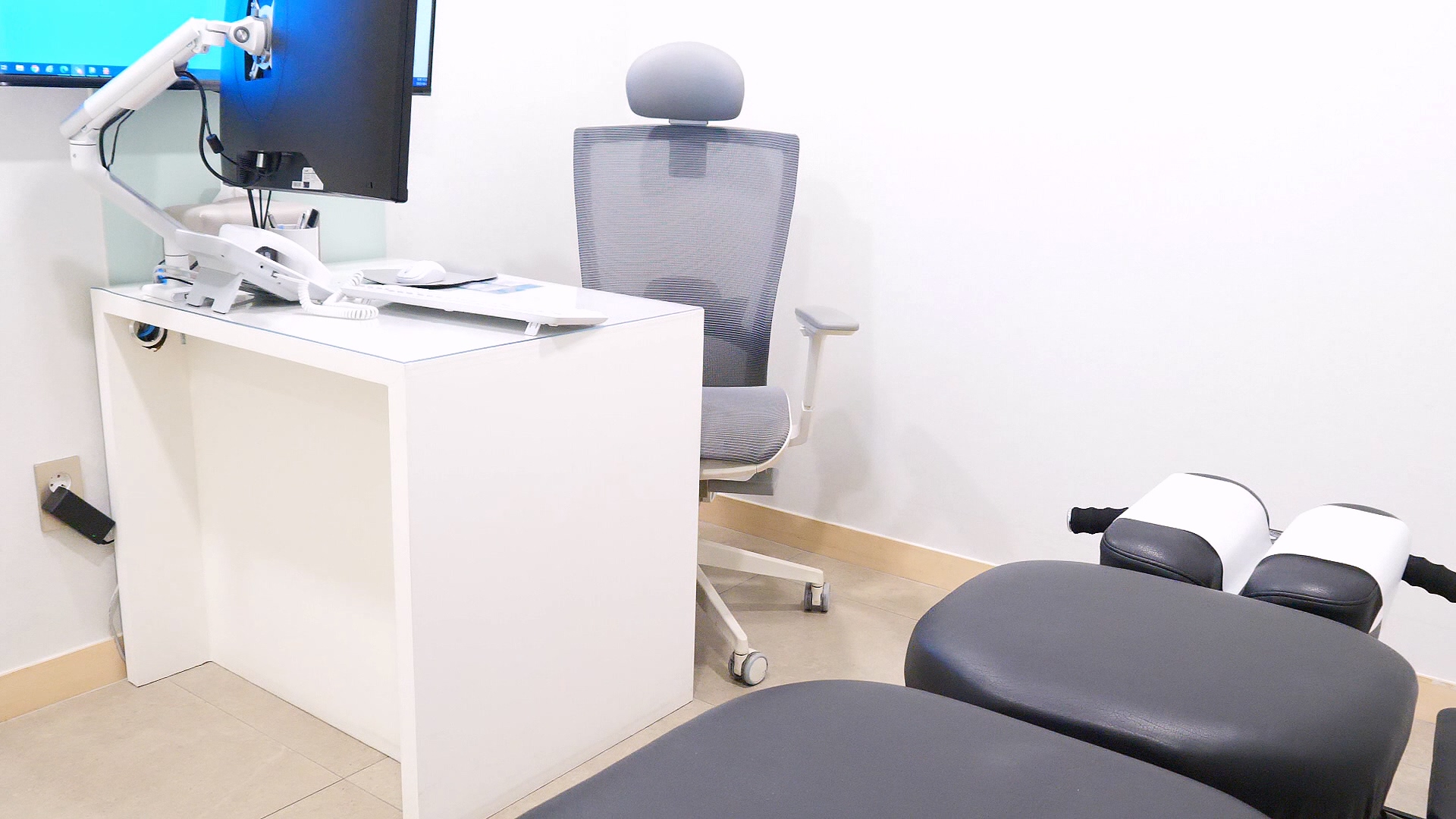
I have devoted my career to identifying the root causes of pain through acupotomy and structural recovery. At Bonecure, we do not simply mask symptoms; we focus on restoring the body’s fundamental balance by correcting misalignments in the skull and spine that trigger chronic and intractable conditions.
Understanding Acupotomy and Structural Alignment: Beyond Surface Treatment
Structural recovery at Bonecure is defined as a specialized clinical approach that identifies misalignments in the skeletal framework—specifically the cranium and spine—which lead to functional disorders. Unlike traditional symptomatic relief, this method utilizes acupotomy (a scalpel-like needle) to release adhesions in soft tissues, thereby restoring normal nerve conduction and blood flow.
The Mechanics of Acupotomy and Immediate Structural Response
Acupotomy involves the precise insertion of specialized tools to perform adhesiolsyis—physically breaking down fibrotic tissue and adhesions that trap nerves and restrict movement. At its core, this procedure functions by creating space in congested areas, such as the upper cervical spine and temporomandibular joint (TMJ). Unlike typical clinics that suggest long-term packages, we focus on efficiency. Patients often feel an immediate change in their symptoms and range of motion after just one session. This intensive approach is designed for those who have failed to find relief elsewhere. It is important to note that while the treatment is powerful, individual responses can vary depending on the chronicity of the condition. A 2026 Clinical Guide to Acupotomy and Structural Recovery for Chronic Disorders at Bonecure
Efficient Clinical Systems: Compressed and Impactful Care
At Bonecure, we respect your time and prioritize clinical impact. Our system is designed for a highly efficient 10 to 20-minute intensive treatment window per patient. Rather than lengthy, low-intensity sessions, we concentrate our clinical expertise on the specific points of structural entrapment. This compressed model allows for a higher concentration of therapeutic force, ensuring that the structural correction is both deep and immediate. While minor soreness or pin-point bleeding may occur due to the nature of adhesiolysis, these are temporary signs of the tissue beginning to heal and realign properly.
Specialized Care for Intractable and Functional Disorders
Our treatment goals focus on functional restoration for complex conditions that often baffle conventional diagnostic tools. By correcting the structural foundation, we address the systemic imbalances that manifest as chronic pain or neurological symptoms.
Managing Parkinsonism and Autonomic Dysfunction
Treating Parkinsonism and autonomic imbalance requires a clear distinction between degenerative and functional causes. While true Parkinson’s disease involves dopamine deficiency, many patients suffer from Parkinsonism (atypical Parkinson’s) caused by structural nerve compression or circulatory stagnation. By performing acupotomy on the suboccipital muscles and C1 transverse processes, we improve the environment for the central nervous system. Clinical observations at Bonecure have shown that 서동증 (bradykinesia) and tremors can show improvement when the upper cervical alignment is restored. We aim to slow disease progression and manage autonomic symptoms like insomnia or digestive issues, which are often poorly managed by medication alone.
Torticollis and Dorsal Burning Sensation (Baeyeol-jeung)
For conditions like Spasmodic Torticollis (dystonia), we address the repetitive abnormal signals by unbinding fibrotic neck muscles. When muscles remain in a state of abnormal contraction for too long, they lose elasticity; acupotomy restores muscle length and normalizes signal transmission. Similarly, 'Baeyeol-jeung' (Dorsal Burning Sensation)—the feeling of heat or burning in the back—is often a result of entrapment of the Dorsal Scapular Nerve or thoracic spinal nerves. By releasing the tension in the rhomboids and multifidus muscles, we alleviate the abnormal sensory signals that cause the burning sensation. We treat these not as isolated skin or muscle issues, but as manifestations of spinal tension and autonomic imbalance.
TMJ Correction and Craniofacial Balance
Bonecure’s approach to structural balance emphasizes the relationship between the TMJ and the cervical spine. Misalignment in the jaw can cause a cascade of issues including chronic headaches, dizziness, and facial asymmetry. Through manual Chuna therapy and targeted acupotomy, we recalibrate the jaw’s position to improve functional health. Our goal is to restore the facial and cranial architecture to its optimal state, ensuring that the nervous system operates without interference from structural bottlenecks. Dr. Song Jeong-hyeon: Advanced Structural Recovery and Acupotomy at Bonecure 2026
Comparing Modern Structural Recovery and Conventional Pain Management
This comparison highlights the difference between Bonecure’s structural focus and conventional physical therapy or general acupuncture. By targeting the 'root' rather than the 'branch,' we achieve results for patients who have been told their conditions are 'incurable.'
| Feature | Bonecure Acupotomy | Conventional Acupuncture | General Physical Therapy |
|---|---|---|---|
| Primary Mechanism | Tissue Adhesiolysis | Energy (Qi) Balance | Superficial Muscle Relief |
| Session Duration | 10–20 Mins (Intensive) | 40–60 Mins | 30–60 Mins |
| Response Time | Immediate (1 Session) | Gradual | Temporary Relief |
| Focus Area | Skull/Spine/TMJ | Meridian Points | Symptomatic Muscles |
| Targeted Conditions | Intractable/Structural | General Pain | Mild Strain |
Safety Protocols and Post-Treatment Expectations
Safety is paramount when performing advanced procedures like acupotomy. We utilize 100% sterile, single-use equipment and leverage detailed anatomical knowledge to avoid sensitive neurovascular structures. Patients should expect some localized soreness for 24–48 hours as the body adapts to the structural changes. Because we focus on necessary treatments only, we do not require patients to commit to 10-session packages upfront; instead, we evaluate the immediate response to ensure the treatment plan is effective. This transparent approach fosters trust and ensures that every procedure performed is clinically justified. A 2026 Clinical Guide to Acupuncture Treatment Seoul Gangnam: The Bonecure Approach to Structural Recovery
Frequently Asked Questions
Q. How does acupotomy differ from regular acupuncture?
Acupotomy uses a specialized needle with a small flat blade at the tip. This allows the practitioner to physically perform adhesiolysis—releasing stuck or fibrotic tissues that regular needles cannot penetrate. It is a structural intervention rather than just a sensory one.
Q. Is it true that I don't need a 10-session package?
Yes. At Bonecure, we focus on immediate results. We do not believe in telling patients "it will take 10 sessions to feel a change." Most patients feel a significant difference after their first treatment, and we continue based on clinical necessity.
Q. How long is a typical session?
We operate an efficient, compressed system. A typical intensive treatment session lasts between 10 to 20 minutes, focusing purely on high-impact structural correction and acupotomy.
Q. Can structural recovery help with Parkinsonism?
Yes. While it is not a cure for degenerative Parkinson's disease, structural recovery via acupotomy can improve blood flow to the brain and release nerve entrapment in the upper cervical spine, helping manage symptoms like bradykinesia and autonomic dysfunction.
Q. What is 'Dorsal Burning Sensation' (Baeyeol-jeung)?
It is an abnormal sensation where the back feels hot or burning, despite no skin issues. It is usually caused by nerve entrapment in the thoracic spine or autonomic nervous system imbalance. We treat this by releasing the specific muscles trapping the nerves.
Q. Are there side effects to acupotomy?
Minor side effects like localized bruising, temporary swelling, or soreness at the injection site are common but usually resolve within a few days. The procedure is very safe when performed by an experienced practitioner.
Q. Who is an ideal candidate for Bonecure?
Individuals suffering from chronic pain, TMJ disorders, Torticollis, or neurological symptoms that haven't responded to conventional treatments are ideal candidates for our structural recovery approach.
Key Takeaways
- Bonecure focuses on the root cause of pain through skull and spine structural realignment.
- Acupotomy provides immediate relief by physically releasing tissue adhesions and nerve entrapment.
- Treatment is compressed into efficient 10 to 20-minute intensive sessions for maximum clinical impact.
- We do not mandate long-term packages; improvement is typically felt after the very first session.
- Specialized programs are available for intractable conditions like Parkinsonism, Torticollis, and Baeyeol-jeung.
For more information on natural structural recovery and intensive acupotomy, please contact Bonecure / Dr. Song Jung-hyun.
FAQ
- What exactly is facial acupuncture for skin rejuvenation?
- Facial acupuncture is a holistic treatment involving the insertion of specialized, thin needles into specific points on the face to stimulate collagen production and improve circulation. This natural approach helps achieve a youthful appearance by using the body’s own healing mechanisms rather than foreign chemicals or toxins.
- How many sessions are typically required to see visible results?
- While individual results vary, most patients notice subtle changes after 3 to 5 sessions, such as improved skin tone and reduced puffiness. For significant and stable improvements in skin elasticity and fine lines, a full course of 10 to 12 treatments is generally recommended, often scheduled once or twice per week.
- Does facial acupuncture hurt or require downtime?
- The needles used for facial rejuvenation are extremely fine, often measuring between 0.15mm and 0.25mm in thickness, making the sensation minimal for most patients. There is essentially zero downtime, though minor bruising or temporary redness can occur in some cases, typically resolving within 24 to 48 hours.
- Is facial acupuncture safer than Botox or dermal fillers?
- Acupuncture is a holistic alternative that carries no risk of paralysis, chemical reactions, or long-term systemic side effects common with synthetic injections. It works by stimulating your body's own biological processes, such as collagen synthesis and muscle toning, rather than injecting exogenous substances that may migrate or cause allergies.
- Can facial acupuncture help with drooping eyelids or jowls?
- Yes, by targeting specific motor points in the facial muscles and stimulating the fascia, acupuncture can help lift sagging areas and improve the overall contour of the face naturally. This muscle-toning effect helps provide a natural lift that respects your facial architecture without the 'frozen' look of surgery or toxins.
- Who is the ideal candidate for this rejuvenation treatment?
- Anyone looking for a natural approach to aging, specifically those concerned with fine lines, dull skin tone, loss of facial elasticity, or chronic facial tension, is an excellent candidate. It is also beneficial for individuals who have sensitive skin and wish to avoid harsh chemical peels or invasive laser treatments.
- Are the results of facial acupuncture permanent?
- While the effects are long-lasting because they involve actual tissue regeneration and improved muscle memory, maintenance sessions are recommended every 2 to 4 months to sustain the benefits. Just as regular exercise maintains muscle tone, periodic acupuncture sessions help sustain the collagen-stimulating effects and systemic health that contribute to a radiant appearance.