
Post
Modernized Traditional Korean Medicine: A Clinical Guide to Structural Restoration at Bonecure
Modernized Traditional Korean Medicine is an advanced clinical field that integrates anatomical science and structural biomechanics with time-honored treatment principles.
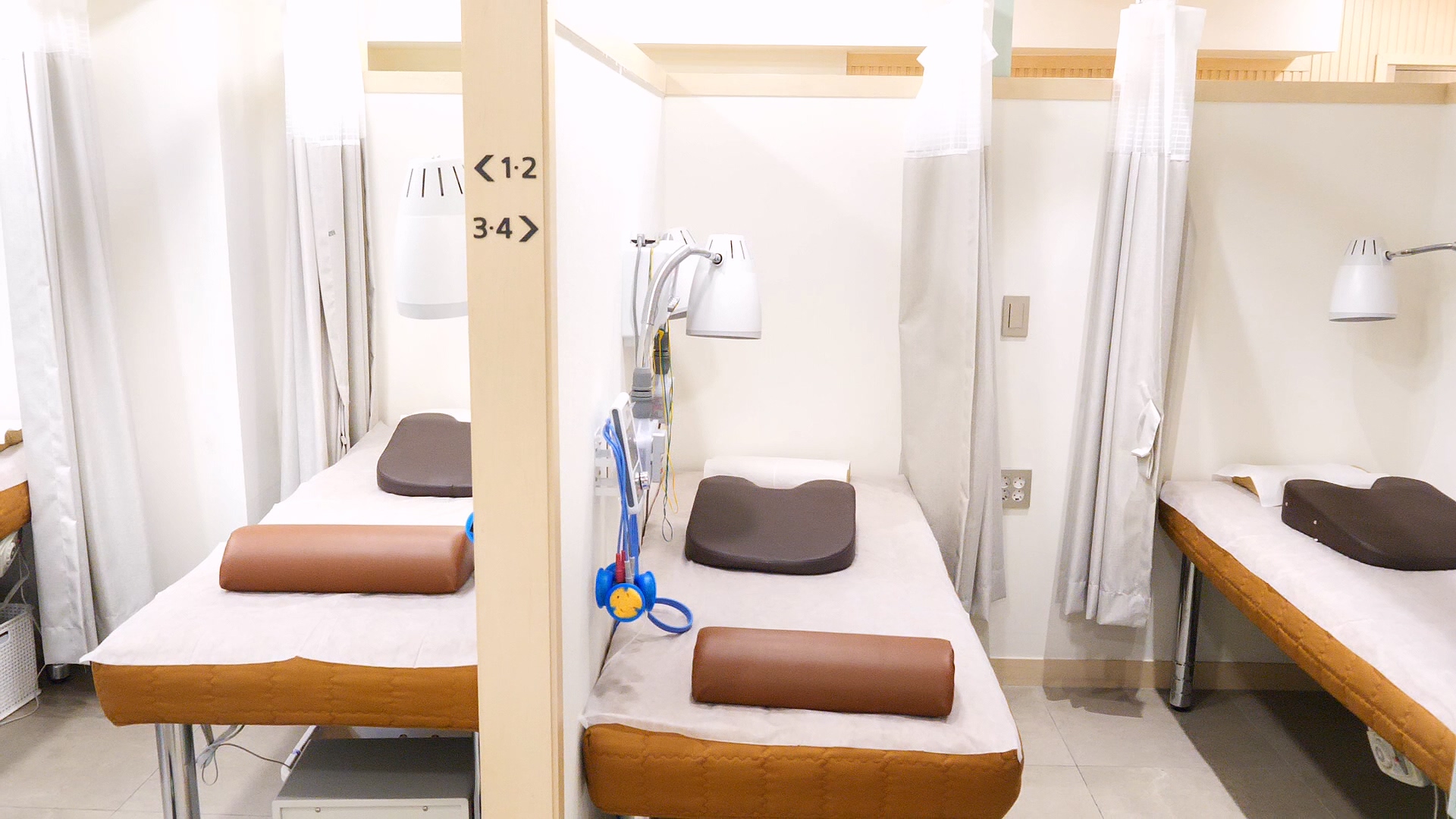
This approach offers a pathway for patients seeking to restore systemic balance through non-surgical interventions that prioritize musculoskeletal alignment and functional efficiency.
Greetings. I am Dr. Song Jung-hyun, a practitioner of Korean Medicine who has dedicated many years to the clinical application of specialized acupotomy for structural restoration. At Bonecure, my priority is to identify the root causes of pain and restore structural balance through intensive, efficient treatments. Throughout this guide, we will explore the methodologies employed to address complex spinal and joint issues through impactful clinical care.
Defining Modernized Traditional Korean Medicine in Contemporary Care
Modernized Traditional Korean Medicine is a sophisticated healthcare paradigm that synthesizes clinical wisdom with evidence-based structural analysis to treat the underlying causes of chronic pain and physical dysfunction. By focusing on the relationship between the spine, the nervous system, and soft tissues, this field provides a targeted alternative to standard therapeutic options through specialized tools and manual corrections.
Integrating Anatomical Analysis with Clinical Wisdom
The integration of anatomical science with traditional principles represents a significant evolution in musculoskeletal care. In this framework, practitioners use diagnostic tools such as whole spine X-ray imaging, conducted through clinical cooperation, to identify structural misalignments and anatomical deviations that affect physical function. By analyzing the spine through a biomechanical lens, we can pinpoint where structural deviations contribute to nerve compression or functional stagnation. This synthesis allows for a more targeted application of modalities, ensuring that treatments like acupuncture and Chuna therapy are guided by measurable anatomical data. Bonecure emphasizes this dual approach to ensure that each procedure is rooted in both clinical observation and modern diagnostic logic. Consequently, patients receive care that honors the complexity of the human body while meeting high standards of objective medical protocols. This evolution ensures that treatments remain effective in a modern clinical environment where efficiency and results are paramount.
The Core Philosophy of Bonecure for Structural Alignment
At the heart of the Bonecure philosophy is the belief that structural integrity is the fundamental cornerstone of overall physiological wellness. We operate under the guiding principle that "when your bones smile, life smiles," reflecting the deep connection between spinal alignment and daily vitality. Bonecure focuses on the restoration of the natural balance of the body, recognizing that even minor deviations can lead to significant systemic issues such as autonomic imbalance or chronic fatigue. Our clinical protocols are designed for impact, seeking to stabilize the musculoskeletal foundation through compressed and efficient sessions. This philosophy centers on highly targeted interventions where the doctor personally identifies and addresses structural problems to facilitate immediate symptom changes. We believe that true health begins with a balanced frame, providing the necessary support for all other bodily functions to operate at their peak efficiency.
The Role of Advanced Acupotomy in Structural Restoration
Advanced Acupotomy, or Miniscalpel-needle therapy, is a specialized procedure that uses a flat-headed needle to physically release chronic adhesions in soft tissues and restore normal range of motion. Unlike standard needles, this tool is designed to address the physical reality of thickened, fibrotic tissues that often develop in response to long-term structural strain or repetitive injury.
Restoring Mobility Through the Physical Release of Adhesions
Restoring mobility in patients with chronic stiffness requires a direct intervention to address tissue adhesions that bind muscles, tendons, and ligaments together. Bonecure utilizes advanced acupotomy to target these specific areas of internal scarring, which are often the primary cause of restricted movement and persistent discomfort. By carefully inserting the specialized micro-blade into the affected fascia, the practitioner can mechanically separate the fused layers of tissue, effectively unblocking the restricted area. This release not only improves the immediate range of motion but also reduces the pressure on local nerve endings, which can significantly decrease pain levels. As the physical obstruction is removed, circulation is improved in the area, facilitating the natural recovery of the tissue. For many patients, this mechanical release provides a tangible change in how their joints and spine feel during daily activities. The goal at Bonecure is to provide a clear pathway for the body to return to its natural state of comfortable movement through precise and intensive structural intervention.
Scientific Mechanisms of Tissue Regeneration and Recovery
The scientific mechanism behind acupotomy involves the induction of a controlled response through the physical release of chronic fibrotic tissues. When the specialized needle used at Bonecure interacts with these hardened structures, it triggers a cascade of biological events that promote the restoration of functional tissues. This process stimulates local blood flow and increases the delivery of essential nutrients to tissues that have long been affected by structural tension. Over time, the body replaces the dysfunctional scar tissue with more flexible, functional structures, leading to a more stable musculoskeletal system. During the procedure, the director personally evaluates and manipulates the affected structures, often combining acupotomy with herbal medicine to support the body’s overall balance during the restoration process. This approach ensures that the recovery involves a fundamental improvement in the quality of the local soft tissues and their structural performance.
Comparing Traditional Acupuncture and Modernized Acupotomy
The distinction between traditional acupuncture and modernized acupotomy lies primarily in the design of the instrument and the specific clinical objective, with the latter focusing on the mechanical release of structural obstructions. While both treatments utilize needles, the physical impact on the body's internal architecture differs based on the technique and depth of the application.
| Feature | Traditional Acupuncture | Modernized Acupotomy (Bonecure) |
|---|---|---|
| Needle Tip | Rounded or Sharp Point | Flat Micro-Blade Tip |
| Primary Goal | Functional Regulation | Physical Tissue Release |
| Target Tissue | Acupoints and Pathways | Fibrotic Adhesions and Fascia |
| Depth | Superficial to Moderate | Targeted Structural Layers |
| Recovery Focus | Functional Balance | Structural Restoration |
| n |
Structural Differences in Treatment Tools and Methodologies
The structural differences between traditional tools and those used at Bonecure are central to their respective clinical roles. Traditional needles are exceptionally thin and designed to slide between tissue fibers, making them ideal for modulating the nervous system. In contrast, the acupotomy tool features a unique flat head that acts as a microscopic scalpel, allowing the practitioner to perform precise releases on a sub-dermal level. This design is essential for treating conditions where the tissue has become physically fused or calcified. Bonecure practitioners emphasize the tactile application of this specialized tool, ensuring that the micro-release is performed accurately. The methodology involves a careful assessment of the patient's structural imbalances, ensuring that every session serves a specific purpose in the overall alignment plan. By choosing the right tool for the specific pathology, we can achieve outcomes tailored to the physical needs of the patient's skeletal frame.
Contrasting Clinical Objectives and Expected Outcomes
While traditional acupuncture is often used for managing stress and general well-being, the clinical objective of the modernized approach at Bonecure is focused specifically on structural restoration. The expected outcome of acupotomy is a change in the physical properties of the soft tissues and a corresponding improvement in joint alignment. For instance, whereas traditional methods might seek to calm a nerve, modernized acupotomy seeks to remove the physical adhesion that is compressing that nerve. This direct approach often leads to faster improvements in cases where structural pathology is the primary driver of the patient's symptoms. However, because this method involves physical tissue intervention, it requires appropriate care during the recovery period. Patients at Bonecure are informed about the treatment process to ensure realistic expectations about their healing timeline. Combining these methodologies allows us to address both functional symptoms and structural causes, providing a comprehensive care model.
Clinical Considerations, Case Protocols, and Safety Measures
Safe clinical practice in modernized structural medicine requires a rigorous assessment of each patient's unique anatomy through diagnostic imaging and evaluation. By adhering to standardized case protocols, practitioners can ensure that every treatment is performed with precision, minimizing risks while maximizing the potential for recovery.
Observations from Case Reports on Chronic Structural Conditions
Clinical observations from various case reports suggest that structural realignment can have a profound impact on systemic health. Clinical literature often highlights the connection between the cervical spine and sensory function, suggesting that addressing upper cervical misalignments may support overall health. Other reports have utilized standardized metrics such as Beck Depression Inventory (BDI) and Beck Anxiety Inventory (BAI) scores to monitor improvements that often follow the relief of chronic structural pain. It is observed that when spinal alignment is improved, as evidenced by whole spine X-ray comparisons, patients often report secondary benefits in autonomic functions. However, these individual case studies reflect the experiences of specific patients and do not guarantee results for all individuals. Every patient presents a unique structural history, and the results observed in clinical reports are contingent upon the severity and duration of the condition. Bonecure continues to document these findings to refine protocols and provide evidence-based care for those suffering from long-term structural issues.
Managing Individual Variations, Risks, and Treatment Limitations
Every medical procedure carries certain risks, and advanced acupotomy requires patients to be informed of potential side effects. Common reactions include temporary soreness at the site of treatment, minor local bleeding, or bruising, which typically resolve within a few days. While Bonecure maintains strict sterile protocols, rare risks such as local infection or temporary nerve irritation can occur depending on individual physical responses. It is essential to recognize that structural restoration is a gradual process for many, and chronic or severe conditions may require multiple sessions to achieve lasting results. Treatment outcomes vary significantly based on the patient's age, overall health, and adherence to post-treatment advice. There are also clinical limitations; not every condition is suitable for acupotomy, and a thorough initial consultation at Bonecure is mandatory to assess these factors and determine the most appropriate and safe course of action for each individual patient.
Dr. Song Jung-hyun Korean Medicine: A Guide to Structural Restoration at Bonecure
A Clinical Overview of Hanbang Treatment Case Studies and Structural Recovery Protocols
Frequently Asked Questions
Q. What is modernized traditional Korean medicine?
It is an evolving medical system that combines classic principles with modern anatomy and structural science, focusing on musculoskeletal health and biomechanical alignment to address the physical structure of the body.
Q. What is acupotomy and how does it function?
Acupotomy utilizes a specialized, micro-blade needle to physically release rigid tissue adhesions that restrict movement. This process helps restore mobility by mechanically separating fused tissues and encouraging natural regeneration.
Q. Are there any side effects associated with modernized acupotomy?
Patients may experience temporary soreness, minor local bleeding, or bruising. While rare, infection or temporary nerve irritation are potential risks, which is why Bonecure follows strict sterile and clinical safety protocols.
Q. How long does it take to see structural improvements?
Response times vary based on the individual and the severity of their condition. While Bonecure focuses on immediate symptom changes through impactful treatment, chronic structural issues may require multiple sessions for sustainable changes.
Q. What are the costs involved with these advanced treatments?
Treatment costs vary depending on the complexity of the structural imbalance. We provide information during the consultation to ensure patients can make informed decisions about their care.
Q. Can modernized traditional Korean medicine address chronic spinal conditions?
Clinical case reports show positive structural shifts and pain reduction in certain patients. However, identical outcomes cannot be guaranteed for everyone, and a personalized diagnosis is required to determine the potential for recovery.
Q. What alternative options are available if I am sensitive to needles?
For individuals sensitive to needles, Bonecure offers non-invasive structural manual therapies and herbal support. These alternatives are designed to support tissue recovery and spinal health.
Key Takeaways
- Structural Integration: Modernized Korean Medicine combines clinical wisdom with modern anatomical science for precise musculoskeletal care.
- Mechanical Release: Advanced acupotomy at Bonecure targets chronic tissue adhesions to restore mobility and stimulate natural regeneration.
- Impactful Protocols: Treatments are designed to be efficient and impactful, addressing the root causes of structural misalignment with direct manual care.
- Safety and Individualization: Outcomes vary by individual, and treatments involve potential risks like temporary soreness or bruising.
- Holistic Foundation: The core philosophy of Bonecure emphasizes that a balanced spinal structure is a primary foundation for systemic wellness.
For more information on structural restoration and personalized care, please contact our clinic to schedule a consultation.
Bonecure / Dr. Song Jung-hyun
FAQ
- What is modernized traditional Korean medicine?
- It is an evolving medical system that combines classic meridian theories with modern anatomy and structural science, focusing on musculoskeletal health and biomechanical alignment. This approach allows practitioners to treat chronic pain by addressing the physical structure of the body alongside functional energy pathways.
- What is acupotomy and how does it function?
- Acupotomy utilizes a specialized, micro-blade needle to physically release rigid tissue adhesions that restrict movement. This process helps restore mobility by mechanically separating fused tissues and stimulates the body to regenerate healthy local structures over time.
- Are there any side effects associated with modernized acupotomy?
- Patients may experience temporary soreness, minor local bleeding, or bruising at the site of the procedure. While rare, infection or temporary nerve irritation are potential risks, which is why Bonecure follows strict sterile and clinical safety protocols.
- How long does it take to see structural improvements?
- Response times vary based on the individual and the severity of their condition. Chronic or severe structural issues generally require multiple sessions over several weeks or months to achieve sustainable changes in alignment and tissue health.
- What are the costs involved with these advanced treatments?
- Treatment costs vary depending on the complexity of the structural imbalance and the specific combination of modalities utilized. We provide detailed financial estimates during the initial consultation to ensure patients can make informed decisions about their care.
- Can modernized traditional Korean medicine address chronic spinal conditions?
- Clinical case reports show positive structural shifts and pain reduction in certain patients with chronic spinal issues. However, identical outcomes cannot be guaranteed for everyone, and a personalized diagnosis is required to determine the potential for recovery.
- What alternative options are available if I am sensitive to needle treatments?
- For individuals who are sensitive to needles, Bonecure offers non-invasive structural manual therapies and specialized herbal formulations. These alternatives are designed to support tissue recovery and spinal health without the use of invasive procedures.