
Post
A 2026 Clinical Overview of Non-Surgical Spine Treatment and Structural Restoration
Non-surgical spine treatment is defined as a specialized spectrum of conservative therapeutic procedures aimed at resolving musculoskeletal imbalances and restoring vertebral function without operative intervention. This clinical guide provides an evidence-based overview of advanced minimally invasive modalities designed to address deep structural constraints and support long-term physical mobility. Hello. I am Dr. Jeong-hyun Song, a practitioner dedicated to acupotomy and structural restoration at Bonecure Korean Medicine Clinic.
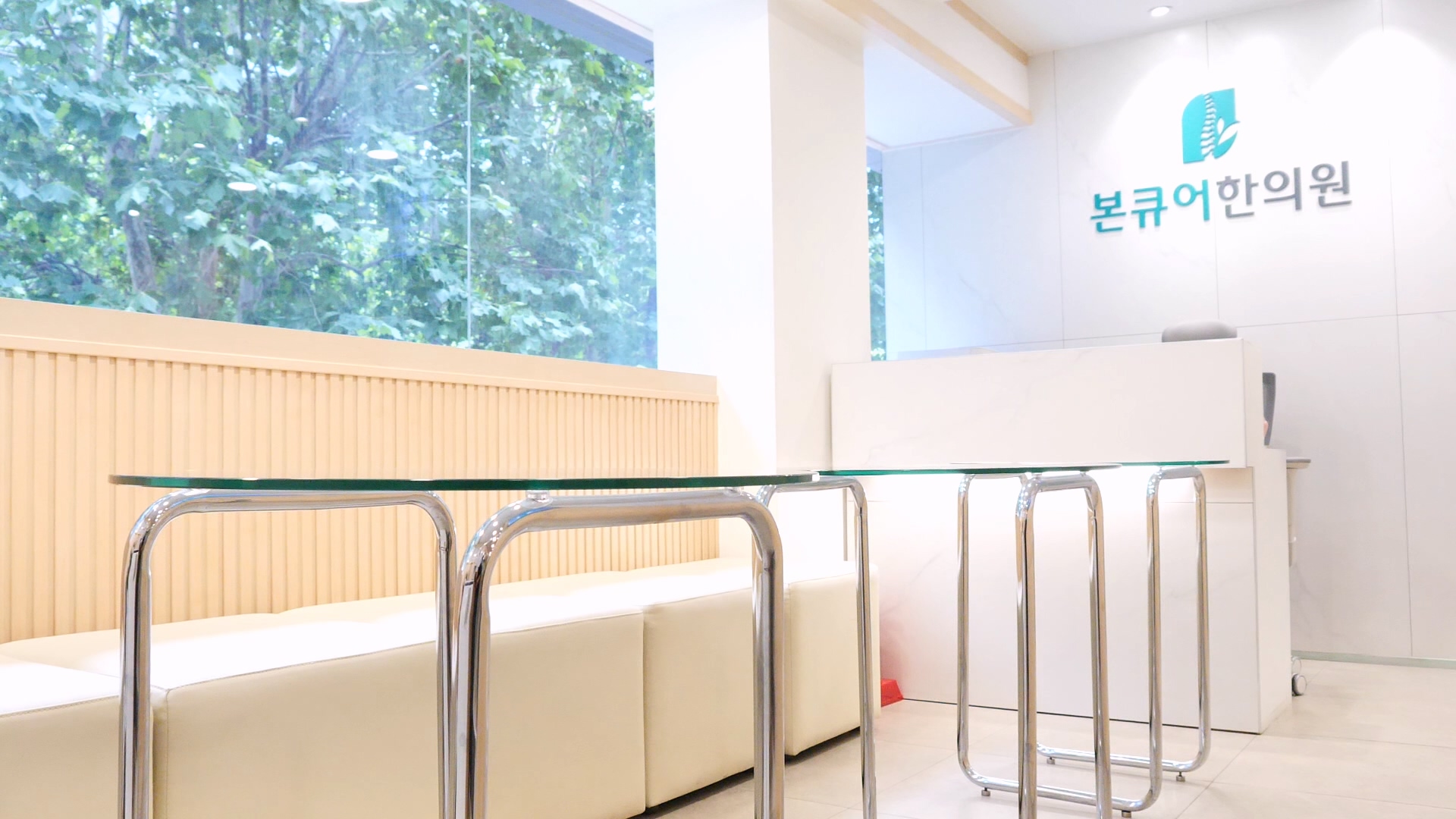
My medical practice focuses on optimizing joint and bone alignment to help the body stabilize naturally, ensuring sustainable recovery pathways tailored to individual health baselines.
1. Introduction to Non-Surgical Spine Treatment and Structural Restoration
Non-surgical spine treatment refers to a comprehensive category of conservative medical and therapeutic interventions designed to manage spinal disorders and alleviate pain without undergoing invasive surgical procedures. These pathways prioritize the structural optimization of the vertebral column while bypassing the specific systemic risks and long recovery periods typically associated with traditional invasive spinal surgeries.
Who is a Candidate for Conservative Spinal Interventions
Identifying appropriate candidates for conservative spinal interventions involves evaluating the duration, severity, and structural origin of a patient's discomfort. Individuals experiencing chronic lower back pain, sciatica, or herniated discs who wish to avoid the inherent risks of open surgery represent the primary demographic for these conservative pathways. Furthermore, those who have not achieved satisfactory relief from superficial treatments, yet do not exhibit emergency neurological deficits like loss of bladder control, often benefit from a structured conservative approach. At Bonecure, we analyze the structural and biomechanical failures of each patient to determine if their condition can be managed without operative interventions. Chronic degenerative conditions or structural misalignments often require a comprehensive assessment to map out a targeted recovery path. Patient selection remains critical, as individual physiological responses vary significantly based on historical health factors, spinal compression levels, and everyday lifestyle habits.
The Philosophy of Restoring Balance to the Skeletal Framework
The fundamental philosophy behind restoring balance to the skeletal framework focuses on addressing the root biomechanical issues rather than merely masking local symptoms. When the spinal column loses its natural curvature, it creates asymmetric pressure on the surrounding muscles, ligaments, and nerve pathways. This chronic structural imbalance can lead to accelerated joint degeneration and persistent soft tissue inflammation over time. By utilizing advanced clinical protocols, practitioners aim to realign the structural framework, thereby reducing pathological stress on vulnerable vertebral segments. For a detailed exploration of these methods, patients can read about Chuna Manual Therapy for Neck Pain: Restoring Structural Balance at Bonecure. Restoring structural integrity allows the body to activate its intrinsic healing mechanisms and distribute mechanical loads evenly across the entire musculoskeletal system. This systemic alignment helps re-establish functional mobility and supports long-term physical resilience for various daily activities.
2. Advanced Minimally Invasive Modalities for Spinal Regeneration
Advanced minimally invasive modalities for spinal regeneration encompass targeted clinical procedures that address deep structural imbalances and soft tissue restrictions with minimal disruption to the surrounding anatomical frameworks. These techniques precisely isolate damaged or restricted segments to prompt localized tissue recovery and re-establish natural mechanics.
Acupotomy for Releasing Deep Soft Tissue Adhesions
Acupotomy serves as a sophisticated, minimally invasive modality specifically designed to release chronic soft tissue adhesions that restrict spinal mobility. This specialized procedure utilizes a micro-blade needle to carefully dissect hardened, fibrotic tissues and decompress entrapped peripheral nerves deep within the musculoskeletal framework. Over time, chronic inflammation causes soft tissues to bind together, creating painful tension points that hinder natural movement and impair local microcirculation. By mechanically releasing these deep adhesions, acupotomy helps restore tissue elasticity and facilitates the delivery of vital nutrients necessary for cellular regeneration. To understand how this works in broader pain management contexts, consider looking at the 2026 Clinical Guide to Acupotomy and Structural Recovery for Intractable Pain: The Bonecure Method. This targeted structural release plays an essential role in relieving persistent structural stress, though individual anatomical responses and recovery rates will naturally vary.
Structural Alignment via Specialized Chuna Manipulation
Specialized Chuna manipulation represents a core manual therapy dedicated to restoring optimal joint mobility and correcting structural imbalances within the spine. This hands-on technique involves applying controlled, therapeutic force to specific osseous structures and soft tissue layers to realign displaced vertebrae. By combining gentle traction with targeted pressure, Chuna manipulation helps alleviate abnormal joint pressure and reduces the mechanical strain placed on irritated nerve roots. This manual restoration is highly integrated with other modalities to ensure that both the bony framework and the surrounding soft tissues adapt harmoniously to the corrected posture. Maintaining proper spinal alignment is crucial for preventing recurrent muscular tension and reducing long-term wear on the intervertebral discs. While many individuals experience an enhanced range of motion following therapy, chronic structural conditions typically necessitate multiple structured sessions to achieve sustainable, long-term stabilization.
Tracking Progress Through Objective Whole Spine Radiography
Tracking clinical progress through objective Whole Spine Radiography ensures that every therapeutic intervention is guided by precise, verifiable visual data. Rather than relying solely on subjective feedback regarding pain levels, clinicians utilize full-length spinal X-rays to measure exact changes in skeletal alignment and joint spacing. This diagnostic approach allows for the careful monitoring of structural improvements, such as corrections in spinal curvature or pelvic symmetry, over the course of care. At Bonecure, analyzing these structural transformations provides an evidence-based framework to customize treatment protocols continuously according to each patient's evolving anatomical needs. Seeing measurable structural changes on follow-up radiographs offers valuable clinical confirmation of tissue adaptation and spinal stabilization. However, patients must understand that radiographic improvements occur gradually, and the degree of structural realignment visible on imaging varies based on the chronic nature of the spinal condition.
3. Comparative Analysis of Surgical and Non-Surgical Spine Options
A comparative analysis of surgical and non-surgical spine options involves an objective examination of the therapeutic efficacy, procedural risks, and recovery parameters associated with operative versus conservative approaches. This structured perspective allows patients to review all available choices neutrally based on their medical requirements.
| Approach | Primary Mechanism | Typical Tissue Depth | General Recovery Profile |
|---|---|---|---|
| Conventional Surgery | Mechanical decompression or fusion via incision | Deep structural layers including bone modification | Extended healing period involving structural downtime |
| Regenerative Acupotomy | Micro-blade release of fibrotic tissue adhesions | Deep muscular and ligamentous interfaces | Minimal downtime with temporary localized soreness |
| Chuna Manipulation | Manual mobilization and joint realignment | Superficial to deep musculoskeletal structures | Immediate return to daily activities with gradual adaptation |
| Standard Acupuncture | Superficial nerve and muscle stimulation | Dermal and superficial fascial layers | Rapid recovery with negligible post-treatment limitations |
Pros and Cons of Regenerative Acupotomy Versus Standard Therapies
Evaluating regenerative acupotomy alongside standard conservative therapies reveals distinct operational advantages and specific clinical limitations for patients seeking spinal relief. Standard interventions, such as superficial acupuncture or general physical therapy, offer non-invasive options with minimal discomfort, making them highly accessible for acute muscular strains. To discover more about standard needle applications, see the guide on Integrative Acupuncture for Neck Pain: A 2026 Clinical Guide to Structural Restoration at Bonecure. Conversely, regenerative acupotomy targets deep, chronic tissue adhesions using a specialized micro-blade, providing a more robust structural release for complex, long-standing spinal conditions. The primary drawback of acupotomy involves a higher likelihood of localized post-treatment soreness, mild bruising, or minor temporary bleeding due to its deep tissue penetration. Ultimately, choosing between these modalities requires a thorough clinical assessment, as the optimal approach depends entirely on the severity of the structural imbalance.
Evaluating Long-Term Outcomes and Structural Stability
Evaluating long-term outcomes and structural stability involves looking beyond immediate pain relief to assess how well the spinal column maintains its corrected alignment over time. Sustainable recovery depends heavily on the successful rehabilitation of both the bony architecture and the supporting soft tissue networks. When deep tissue adhesions are resolved and joints are properly aligned, the body can distribute daily physical workloads more efficiently, preventing premature wear on vertebral structures. Clinical observations suggest that patients who complement their clinical treatments with targeted core-stabilization exercises experience more reliable long-term structural stability. However, achieving lasting results for chronic or severe spinal conditions typically demands a sustained commitment to multiple treatment sessions and proactive lifestyle modifications. Because spinal tissues adapt slowly to structural alterations, continuous monitoring and periodic evaluations are essential to ensure that the structural integrity of the column remains stable over the years.
4. Clinical Expectations, Safety Guidelines, and Recovery Timelines
Clinical expectations, safety guidelines, and recovery timelines represent the essential structural frameworks used to educate patients on the step-by-step biological healing processes and safety boundaries of conservative care. This understanding ensures patients remain safely informed throughout their custom treatment plans.
Anticipating Relief Timelines and Tissue Healing Phases
Anticipating relief timelines requires a clear understanding of the physiological phases involved in soft tissue healing and structural spinal adaptation. The regenerative process begins with an acute inflammatory phase immediately following a specialized procedure, which stimulates localized blood flow and cellular repair mechanisms. Within a few days, the proliferative phase initiates, during which the body deposits new collagen fibers to rebuild damaged or released tissue structures. Finally, the remodeling phase can extend over several weeks or months as the new tissue matrix matures and aligns according to daily physical stresses. Patients often notice gradual improvements in flexibility and comfort as they progress through these sequential biological healing stages. At Bonecure, we emphasize that individual recovery timelines are highly variable, with acute conditions resolving much faster than chronic, deeply rooted structural misalignments that require extensive tissue remodeling.
Understanding Potential Mild Side Effects and Clinical Limitations
Understanding potential mild side effects and clinical limitations is crucial for establishing realistic expectations and ensuring patient safety throughout care. While non-surgical spine care minimizes many procedural risks, deep tissue interventions like acupotomy can cause temporary localized discomfort, mild bruising, or minor bleeding at the insertion site. In very rare cases, as with any skin-penetrating procedure, there is a minor risk of localized infection. These minor side effects are standard physiological responses to structural tissue release and typically resolve fully within a few days without further medical intervention. Additionally, certain advanced spinal pathologies, such as severe progressive neurological deficits or complete structural instability, represent absolute clinical limitations where surgical intervention becomes necessary. Patients should realize that conservative therapies are designed to support natural tissue regeneration, meaning results cannot be guaranteed and vary based on individual health baselines. Clear communication regarding these boundaries allows for a transparent, safe, and balanced therapeutic relationship.
Embarking on a Customized Healing Pathway at Bonecure
Embarking on a customized healing pathway at Bonecure involves a comprehensive diagnostic evaluation designed to map out a precise, individual recovery strategy. Every spinal column presents a unique combination of structural misalignments, tissue densities, and biomechanical stressors that require personalized clinical attention. By combining detailed physical assessments with objective imaging, practitioners construct a targeted matrix of acupotomy, Chuna manipulation, and supportive natural modalities. This integrated approach ensures that both immediate soft tissue constraints and underlying skeletal imbalances are systematically addressed over the course of your care plan. Dedicated tracking through follow-up evaluations allows for real-time adjustments to your treatment frequency, maximizing the potential for sustainable structural restoration. We invite individuals experiencing persistent spinal discomfort to take the first step toward reclaiming balanced movement by scheduling an in-depth clinical consultation with our experienced team.
Key Takeaways
- Non-surgical spine interventions focus on resolving deep soft tissue adhesions and restoring proper alignment without invasive surgery.
- Modality combinations like acupotomy and specialized Chuna manipulation target both the structural framework and surrounding soft tissues.
- Objective monitoring via Full Spine Radiography ensures treatment protocols are guided by precise anatomical data rather than subjective feedback alone.
- Potential side effects are generally mild and localized, including temporary soreness, bruising, minor bleeding, or a rare risk of infection at the treatment site.
Frequently Asked Questions
Q. What is the primary objective of non-surgical spine treatment at Bonecure?
The primary objective is to address the underlying cause of spinal dysfunction by releasing deep tissue adhesions and restoring proper skeletal alignment without invasive surgery. My clinical approach focuses on optimizing joint and vertebral alignment to support the body's natural regenerative processes. Individual structural outcomes depend heavily on the baseline health and chronic nature of each patient's condition.
Q. How does acupotomy differ from conventional acupuncture for back conditions?
Conventional acupuncture typically stimulates superficial points to temporarily alleviate local muscular discomfort. In contrast, acupotomy utilizes a specialized micro-blade needle designed specifically to dissect hardened, adhesed tissues and decompress entrapped peripheral nerves. This structural release promotes long-term tissue elasticity and mobility, though patients may experience minor, temporary soreness post-treatment.
Q. Is non-surgical spine treatment completely free of discomfort or physical risks?
While non-surgical procedures carry significantly fewer risks than open surgery, they are not completely painless. Acupotomy involves deep tissue intervention, which can cause brief, localized pressure or transient discomfort during the procedure. Potential minor side effects include temporary swelling, mild bruising, minor bleeding, or a rare risk of infection at the insertion site, which typically resolve within a few days.
Q. How many treatment sessions are typically required to see clinical structural changes?
The timeline for structural improvement depends significantly on whether the spinal condition is acute or deeply chronic. Some individuals report noticeable shifts in flexibility after a few sessions, while severe, long-standing misalignments require a structured protocol over several weeks or months. We document structural progress using objective metrics, such as Whole Spine X-rays, to ensure care is based on verifiable physical developments.
Q. What are the financial considerations associated with these non-surgical spine therapies?
The overall cost of care varies based on the specific procedures included in your personalized treatment plan, such as the frequency of acupotomy and the extent of Chuna manipulation. Because every spinal profile is completely unique, an accurate financial outline can only be determined following a comprehensive clinical evaluation. We encourage patients to schedule a detailed consultation to discuss transparent structural care options.
Q. Can conservative interventions fully replace surgical options for severe disc herniation?
Conservative methods can successfully manage a substantial percentage of herniated disc cases by relieving pressure on affected nerve roots and restoring local circulation. However, surgical intervention remains necessary in emergency situations involving progressive neurological deficits or loss of bowel and bladder control. A thorough professional evaluation is essential to safely determine the most appropriate pathway for your spine.
Q. What precautions should be observed immediately following an acupotomy procedure?
Patients should keep the treated area clean and dry for at least 24 hours to minimize any localized risk of infection. It is highly recommended to avoid strenuous physical exertion, heavy lifting, hot baths, and saunas for several days post-treatment to allow the soft tissues to rest. If you experience unusual swelling or prolonged discomfort, you should contact the clinic immediately for professional guidance.
For personalized inquiries regarding non-surgical treatment programs, please reach out to schedule an individual structural consultation.
Bonecure / Dr. Jeong-hyun Song
FAQ
- What is the primary objective of non-surgical spine treatment at Bonecure?
- The primary objective is to address the underlying cause of spinal dysfunction by releasing deep tissue adhesions and restoring proper skeletal alignment without invasive surgery. My clinical approach focuses on optimizing joint and vertebral alignment to support the body's natural regenerative processes. Individual structural outcomes depend heavily on the baseline health and chronic nature of each patient's condition.
- How does acupotomy differ from conventional acupuncture for back conditions?
- Conventional acupuncture typically stimulates superficial points to temporarily alleviate local muscular discomfort. In contrast, acupotomy utilizes a specialized micro-blade needle designed specifically to dissect hardened, adhesed tissues and decompress entrapped peripheral nerves. This structural release promotes long-term tissue elasticity and mobility, though patients may experience minor, temporary soreness post-treatment.
- Is non-surgical spine treatment completely free of discomfort or physical risks?
- While non-surgical procedures carry significantly fewer risks than open surgery, they are not completely painless. Acupotomy involves deep tissue intervention, which can cause brief, localized pressure or transient discomfort during the procedure. Potential minor side effects include temporary swelling, mild bruising, or minor bleeding at the insertion site, which typically resolve within a few days.
- How many treatment sessions are typically required to see clinical structural changes?
- The timeline for structural improvement depends significantly on whether the spinal condition is acute or deeply chronic. Some individuals report noticeable shifts in flexibility after a few sessions, while severe, long-standing misalignments require a structured protocol over several weeks or months. We document structural progress using objective metrics, such as Whole Spine X-rays, to ensure care is based on verifiable physical developments.
- What are the financial considerations associated with these non-surgical spine therapies?
- The overall cost of care varies based on the specific procedures included in your personalized treatment plan, such as the frequency of acupotomy and the extent of Chuna manipulation. Because every spinal profile is completely unique, an accurate financial outline can only be determined following a comprehensive clinical evaluation. We encourage patients to schedule a detailed consultation to discuss transparent structural care options.
- Can conservative interventions fully replace surgical options for severe disc herniation?
- Conservative methods can successfully manage a substantial percentage of herniated disc cases by relieving pressure on affected nerve roots and restoring local circulation. However, surgical intervention remains necessary in emergency situations involving progressive neurological deficits or loss of bowel and bladder control. A thorough professional evaluation is essential to safely determine the most appropriate pathway for your spine.
- What precautions should be observed immediately following an acupotomy procedure?
- Patients should keep the treated area clean and dry for at least 24 hours to minimize any localized risk of infection. It is highly recommended to avoid strenuous physical exertion, heavy lifting, hot baths, and saunas for several days post-treatment to allow the soft tissues to rest. If you experience unusual swelling or prolonged discomfort, you should contact the clinic immediately for professional guidance.