
Post
A 2026 Clinical Guide to Trigeminal Neuralgia and Structural Recovery at Bonecure
Hello. I am Dr. Song Jung-hyun, a Korean medicine doctor who has long specialized in acupotomy for complex neurological conditions.
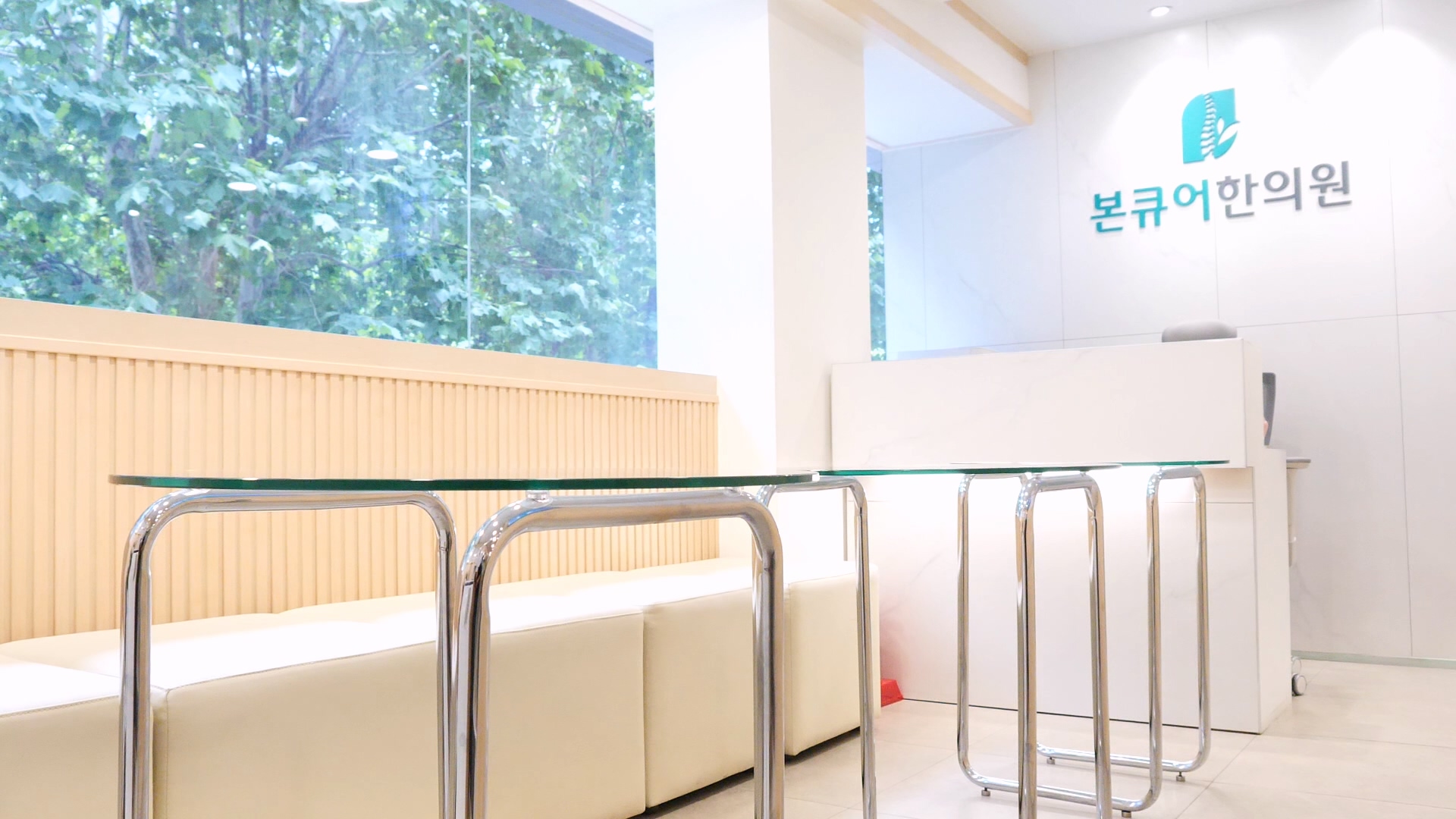
Trigeminal neuralgia is a debilitating condition characterized by intense facial pain, often described as an electric shock. This article explores how structural recovery and specialized micro-adhesiolysis can offer a path toward managing this chronic pain effectively. Please note that individual results may vary depending on the severity and duration of the condition.
Understanding Trigeminal Neuralgia: Causes and Symptoms
Trigeminal neuralgia refers to a chronic neurological condition that affects the fifth cranial nerve, responsible for transmitting sensation from the face to the brain. This condition often results from the compression of the nerve by a blood vessel or structural abnormalities, leading to hypersensitivity and extreme pain responses.
What is Trigeminal Neuralgia?
Trigeminal neuralgia is primarily characterized by sudden, severe, and episodic facial pain that typically affects one side of the face. The trigeminal nerve has three main branches covering the forehead, cheek, and jaw, and the pain can manifest in any or all of these regions. At Bonecure, I often see patients who have struggled with this condition for years, finding that the pain originates from the root of the nerve near the brainstem. While the primary cause is frequently vascular compression, where an artery or vein presses against the nerve, underlying inflammatory processes also play a significant role. These processes can wear away the protective myelin sheath of the nerve, causing it to misfire and send intense pain signals to the brain. Understanding this mechanism is essential for developing a targeted treatment plan that addresses both the physical compression and the resulting nerve sensitivity. Personal variations in anatomy mean that each case requires a highly individualized diagnostic approach.
Common Triggers and Pain Patterns
The pain patterns associated with this condition are notoriously unpredictable and can be triggered by seemingly harmless daily activities. Simple actions such as brushing teeth, washing the face, or even a light breeze can set off an excruciating paroxysm of pain that lasts from a few seconds to several minutes. Patients often describe the sensation as a stabbing or electric shock that makes even basic communication difficult. In my clinical experience at Bonecure, I have noticed that these triggers often involve specific 'trigger zones' on the face that are highly sensitive to tactile stimulation. Over time, the fear of an impending attack can lead to significant psychological distress and social isolation. It is important to distinguish these patterns from dental issues or typical migraines, as the specific location and intensity of trigeminal pain require a different management strategy. Documenting these triggers is a vital part of the initial consultation to ensure an accurate assessment of the condition's severity.
The Structural Link to the Cervical Spine
The relationship between the upper cervical spine and facial pain is a critical focus for me during clinical examinations. The trigeminal nerve nucleus actually extends into the upper cervical spinal cord, meaning that misalignments in the C1 and C2 vertebrae can create a state of central sensitization. At Bonecure, I frequently observe that patients with trigeminal neuralgia also present with severe forward head posture or neck stiffness. This structural imbalance puts undue tension on the dural membranes and the area where the nerve originates, potentially exacerbating the compression. By addressing these postural distortions through structural recovery, we can effectively lower the overall stress on the nervous system. This structural perspective is often the missing piece in conventional pain management. While cervical correction does not offer a guarantee of immediate cessation for everyone, it provides a stable foundation for long-term nerve recovery and helps reduce the frequency of flare-ups by improving spinal alignment.
Traditional vs. Integrated Korean Medicine Approaches
Integrated Korean medicine represents a multifaceted approach to neurological health, combining traditional meridian-based therapy with modern structural analysis. This integration aims to treat the patient as a whole system rather than just targeting the isolated symptom of facial pain.
Pharmacological Management and Its Limitations
Conventional management of trigeminal neuralgia usually begins with pharmacological interventions, such as anticonvulsants or muscle relaxants, to quiet the overactive nerve. While these medications can provide significant relief for many, they often come with side effects like dizziness, fatigue, and cognitive clouding. Furthermore, some patients find that the effectiveness of these drugs diminishes over time, necessitating higher dosages. At Bonecure, I consult with many individuals who are seeking alternatives because they cannot tolerate the systemic impact of long-term medication use. It is crucial to understand that while pills can dampen the pain signal, they do not always address the physical compression or structural misalignment that may be the root cause. For those who experience limited results from medicine alone, integrative therapies can offer a complementary path. We always recommend discussing any changes to medication with a primary physician while exploring these structural options to ensure a safe and coordinated transition in your healthcare journey.
Korean Medicine Doctor Blog: Clinical Perspectives
As a practitioner, my perspective is rooted in the belief that chronic pain is often a signal of structural disharmony within the body. In my clinical blog and daily practice, I emphasize that trigeminal neuralgia should not be viewed solely as a nerve problem but as a systemic issue involving the muscles, fascia, and skeleton. The Bonecure philosophy revolves around restoring the body's natural alignment to facilitate self-healing. I have found that when we focus on releasing the tension in the masticatory muscles and the suboccipital region, patients often report a decrease in the intensity of their facial shocks. Clinical observations suggest that integrating acupuncture with structural manual therapy helps modulate the autonomic nervous system, which is frequently overactive in chronic pain sufferers. Each patient’s journey is unique, and I make it a priority to document the progress through objective measures like pain scales. By sharing these clinical insights, I hope to provide a clearer understanding of how integrated Korean medicine can support those suffering from this intense condition.
Comparison of Conventional and Integrative Therapies
When choosing a treatment path, it is helpful to compare the characteristics of conventional medical approaches with the integrative methods used at Bonecure. Conventional care is highly effective for acute symptom suppression, while integrative care focuses more on long-term structural stability and tissue health.
| Feature | Conventional Management | Bonecure Integrative Care |
|---|---|---|
| Primary Goal | Symptom suppression / Nerve numbing | Structural realignment / Adhesion release |
| Main Method | Medication (Anticonvulsants), Surgery | Acupotomy, Chuna, Specialized Acupuncture |
| Recovery Focus | Chemical balance of nerves | Physical decompression of nerve pathways |
| Side Effects | Systemic (Drowsiness, Dizziness) | Localized (Minor bruising, Temporary soreness) |
| Approach | Symptom-based | Evidence-first, Structural-based |
This comparison highlights how different modalities can be utilized depending on the patient's specific needs and health goals. A 2026 Clinical Guide to TMJ Jaw Pain and Structural Recovery at Bonecure can also provide further context on how jaw-related issues often overlap with facial nerve pain.
Bonecure Acupotomy: A Structural Solution for Nerve Compression
Acupotomy is a specialized, minimally invasive acupuncture technique that utilizes a blade-shaped needle to perform micro-adhesiolysis on hardened or adhered tissues. This procedure is designed to physically release mechanical tension that may be contributing to nerve compression and chronic pain.
How Acupotomy Releases Tissue Adhesion
Acupotomy is a core treatment modality at Bonecure, designed to address the physical obstacles preventing nerve health. This technique utilizes a specialized needle with a small, flat blade at the tip, allowing for micro-adhesiolysis within the deep facial and neck tissues. When chronic inflammation occurs around the trigeminal nerve pathway, the surrounding fascia and muscles often become fibrotic, effectively trapping the nerve fibers. By precisely releasing these adhesions, Bonecure aims to reduce the mechanical compression that triggers erratic pain signals. Based on clinical observations, this procedure often leads to a noticeable reduction in the intensity of electric shock sensations. However, it is important to note that because the procedure involves deep tissue manipulation, patients may experience localized soreness or minor bruising for approximately one to three days. While some cases show rapid change, chronic nerve issues generally require a series of sessions to facilitate tissue regeneration and structural stabilization. This approach targets the physical root of the pain rather than just masking the symptoms.
Targeting the Cervicogenic Roots of Facial Pain
Addressing the cervicogenic, or neck-originated, components of trigeminal neuralgia is a specialty at Bonecure. The trigeminal nerve and the upper cervical nerves share a common pathway in the brainstem, which means that neck dysfunction can directly influence facial pain levels. During treatment, I focus on the soft tissues surrounding the upper cervical vertebrae and the temporomandibular joint (TMJ). By using acupotomy to release tension in these areas, we can improve blood flow and reduce the sensory overload reaching the trigeminal nucleus. Many patients are surprised to find that treating their neck can lead to significant improvements in their face. This structural connection is why Bonecure emphasizes a full-spine approach to facial neuralgia. By stabilizing the foundation of the head, we create an environment where the nerve can heal from chronic irritation. A 2026 Clinical Guide to Dystonia Treatment and Structural Recovery at Bonecure discusses similar structural principles applied to other complex neurological movement disorders and pain conditions.
Expected Recovery Timeline and Individual Variation
The timeline for recovery at Bonecure is highly individualized, as nerve healing is a gradual process. For some patients, a noticeable reduction in pain frequency can occur within the first few sessions of acupotomy. However, for those with chronic cases lasting several years, a more structured plan of 10 to 20 sessions is often necessary to achieve stable and lasting results. We monitor progress using objective scales to ensure that the treatment is moving in the right direction. It is essential to understand that nerve tissue regenerates slowly, and the body needs time to adapt to new structural alignments. Factors such as age, overall health, and the duration of the condition all influence the speed of recovery. While we aim for significant improvement, results can vary between individuals, and some may require ongoing maintenance sessions to manage their symptoms effectively. At Bonecure, we prioritize transparency and will provide a realistic outlook based on your initial diagnostic findings and your response to the early stages of treatment.
Clinical Notes: Integrative Care for Chronic Pain
Integrative care involves the strategic combination of various therapeutic tools to support the body's natural recovery processes and improve the quality of life for those with chronic pain. This holistic approach ensures that all aspects of the patient's well-being are addressed during the healing journey.
Acupuncture for Chronic Pain and Nerve Regeneration
Specialized acupuncture plays a vital role in managing the chronic pain associated with trigeminal neuralgia. Beyond the physical release provided by acupotomy, traditional acupuncture needles are used to stimulate specific points that help modulate pain signals and promote local blood circulation. This increased circulation is crucial for delivering the nutrients and oxygen necessary for nerve regeneration and the repair of the myelin sheath. At Bonecure, I utilize acupuncture to calm the nervous system, which is often in a state of high alert due to the constant threat of pain. This process helps to lower the levels of inflammatory markers in the treated area, providing a more favorable environment for long-term healing. While acupuncture is generally considered safe, some patients may experience temporary fatigue or localized sensitivity following a session. Integrating these techniques allows for a comprehensive approach that addresses both the structural and physiological aspects of nerve health, helping patients regain a sense of control over their daily lives and physical comfort.
The Role of Chuna Manual Therapy in Realignment
Chuna manual therapy is a foundational component of the treatment protocols at Bonecure, focusing on the correction of skeletal imbalances. This hand-on technique involves the mobilization and manipulation of the spine and joints to restore proper alignment and function. For patients with trigeminal neuralgia, Chuna is particularly effective in correcting the alignment of the jaw and the upper neck. By improving the relationship between these structures, we can reduce the mechanical strain on the cranial nerves. This therapy not only helps in pain reduction but also improves the range of motion and overall physical posture. I have found that when Chuna is combined with acupotomy, the structural changes are more profound and longer-lasting. Correcting these deep-seated skeletal issues is essential for preventing the recurrence of nerve compression. Each Chuna session is tailored to the patient’s specific structural needs, ensuring a gentle yet effective realignment process that supports the body’s overall integrity and contributes to a more balanced and pain-free state of being.
Addressing Side Effects and Procedural Safety
Safety is the highest priority at Bonecure when performing specialized procedures like acupotomy. While the treatment is minimally invasive, it is important to be aware of potential side effects to ensure a smooth recovery. The most common responses include temporary soreness, minor bruising, or slight swelling at the site of the procedure, which typically resolve within a few days. Because acupotomy involves releasing deep tissue adhesions, a certain level of post-treatment discomfort is normal as the body begins its inflammatory healing response. I always advise patients to rest and avoid strenuous activity immediately following a session. Rare risks such as localized infection are minimized through strict sterile protocols and expert technique. It is also important to note that individuals with certain bleeding disorders or those taking specific blood-thinning medications should consult with me thoroughly before beginning treatment. By maintaining open communication and following post-procedure care instructions, patients can safely navigate the path to structural recovery. My goal is to provide a treatment experience that is both effective and conducted with the utmost clinical care and professional oversight.
Key Takeaways
- Trigeminal neuralgia is often linked to structural compression and cervical misalignment.
- Bonecure utilizes acupotomy to physically release tissue adhesions and decompress the nerve.
- Integrative care combines structural realignment, acupuncture, and Chuna for comprehensive results.
- Recovery timelines vary, but structured plans of 10 to 20 sessions are common for chronic cases.
- Procedural safety is prioritized, with common side effects being minor and temporary.
Frequently Asked Questions
Q. What exactly is trigeminal neuralgia and how does it feel?
Trigeminal neuralgia is a chronic pain condition affecting the trigeminal nerve, which carries sensation from your face to your brain. It is often described as sudden, severe, and episodic facial pain that feels like an electric shock or a stabbing sensation. Even simple actions like washing your face or talking can trigger intense pain paroxysms.
Q. Can Korean traditional medicine effectively manage trigeminal neuralgia?
Yes, many patients seek Korean traditional medicine for the management of chronic neurological pain. At Bonecure, we focus on resolving the structural causes of nerve compression through acupotomy and specialized acupuncture. Our approach aims to reduce both the frequency and the intensity of the pain by addressing tissue adhesions and spinal alignment.
Q. How many sessions of acupotomy are required to see improvement?
Recovery varies significantly between individuals based on the chronicity of their condition. While some patients may notice a change after just a few sessions, chronic cases typically require a structured treatment plan of 10 to 20 sessions. This allows enough time for structural stabilization and the slow process of nerve tissue regeneration.
Q. Are there any side effects associated with acupotomy for facial pain?
Acupotomy is a specialized procedure that involves micro-adhesiolysis of deep tissues. Potential side effects include temporary soreness, minor bruising, or localized swelling at the treatment site, which usually subside within one to three days. These are normal parts of the body's healing response and are managed through proper post-treatment care.
Q. Is trigeminal neuralgia treatment at Bonecure covered by insurance?
Coverage for these treatments depends entirely on your specific insurance provider and policy details. We recommend contacting our clinic in Cheongdam directly so we can assist you in verifying your benefits. Our team is available to provide a detailed consultation regarding your coverage and the costs associated with your personalized treatment plan.
Q. What makes the Bonecure approach different from standard acupuncture?
Standard acupuncture primarily focuses on stimulating meridian points to balance energy and blood flow. The Bonecure approach utilizes acupotomy, which features a blade-shaped needle designed to perform specialized micro-adhesiolysis. This allows us to physically release hardened tissues and adhesions that are mechanically compressing the nerves, offering a structural solution.
Q. Can lifestyle changes help reduce trigeminal neuralgia flare-ups?
Maintaining proper cervical posture and avoiding triggers like extreme cold or wind on the face can help manage the condition. However, because the root cause is often structural compression or nerve irritation, professional realignment is usually necessary for lasting relief. We provide guidance on ergonomic adjustments to support your recovery process alongside clinical treatments.
For more information on structural recovery and neurological health, please visit us.
Bonecure / Dr. Song Jung-hyun
FAQ
- What exactly is trigeminal neuralgia and how does it feel?
- Trigeminal neuralgia is a chronic pain condition affecting the trigeminal nerve, which carries sensation from your face to your brain. It is often described as sudden, severe, and episodic facial pain that feels like an electric shock or a stabbing sensation. Even simple actions like washing your face or talking can trigger intense pain paroxysms.
- Can Korean traditional medicine effectively manage trigeminal neuralgia?
- Yes, many patients seek Korean traditional medicine for the management of chronic neurological pain. At Bonecure, we focus on resolving the structural causes of nerve compression through acupotomy and specialized acupuncture. Our approach aims to reduce both the frequency and the intensity of the pain by addressing tissue adhesions and spinal alignment.
- How many sessions of acupotomy are required to see improvement?
- Recovery varies significantly between individuals based on the chronicity of their condition. While some patients may notice a change after just a few sessions, chronic cases typically require a structured treatment plan of 10 to 20 sessions. This allows enough time for structural stabilization and the slow process of nerve tissue regeneration.
- Are there any side effects associated with acupotomy for facial pain?
- Acupotomy is a specialized procedure that involves micro-adhesiolysis of deep tissues. Potential side effects include temporary soreness, minor bruising, or localized swelling at the treatment site, which usually subside within one to three days. These are normal parts of the body's healing response and are managed through proper post-treatment care.
- Is trigeminal neuralgia treatment at Bonecure covered by insurance?
- Coverage for these treatments depends entirely on your specific insurance provider and policy details. We recommend contacting our clinic in Cheongdam directly so we can assist you in verifying your benefits. Our team is available to provide a detailed consultation regarding your coverage and the costs associated with your personalized treatment plan.
- What makes the Bonecure approach different from standard acupuncture?
- Standard acupuncture primarily focuses on stimulating meridian points to balance energy and blood flow. The Bonecure approach utilizes acupotomy, which features a blade-shaped needle designed to perform physical micro-surgery. This allows us to physically release hardened tissues and adhesions that are mechanically compressing the nerves, offering a structural solution.
- Can lifestyle changes help reduce trigeminal neuralgia flare-ups?
- Maintaining proper cervical posture and avoiding triggers like extreme cold or wind on the face can help manage the condition. However, because the root cause is often structural compression or nerve irritation, professional realignment is usually necessary for lasting relief. We provide guidance on ergonomic adjustments to support your recovery process alongside clinical treatments.