
Post
Acupuncture for Chronic Pain Management: A 2026 Clinical Guide by Bonecure
Hello. I am Dr. Song Jung-hyun, a practitioner who has dedicated my career to the study and application of acupotomy for deep structural restoration.
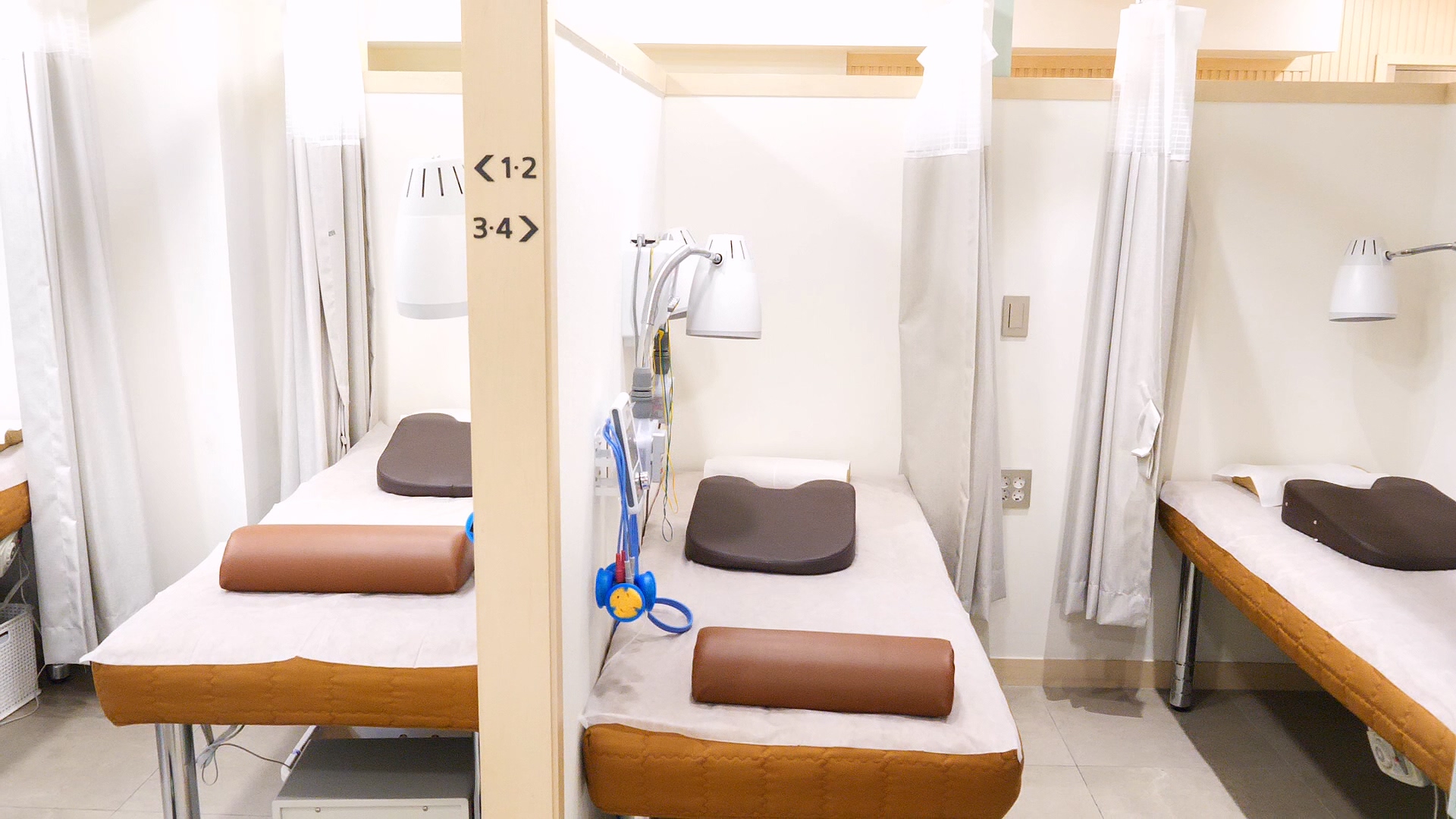
Acupuncture for chronic pain management is a therapeutic discipline that uses specialized needle stimulation to regulate the nervous system and repair damaged tissues. In our practice, we focus on the relationship between spinal alignment and persistent discomfort, aiming to restore the body’s innate balance. This guide outlines how evidence-based acupuncture techniques can help individuals suffering from long-standing musculoskeletal and neurological issues.
Understanding Acupuncture for Chronic Pain Management
Acupuncture for chronic pain management is defined as the strategic insertion of sterile needles into specific anatomical points to modulate sensory signals and promote systemic homeostasis. At Bonecure, we view pain not just as a symptom, but as a signal of structural misalignment or localized tissue adhesion that requires precise intervention.
What is Medical Acupuncture for Chronic Pain?
Medical acupuncture for chronic pain management is a sophisticated clinical modality that bridges traditional meridian theory with modern anatomical science. Unlike general relaxation treatments, this approach targets specific neuromuscular junctions to alleviate persistent signals of distress. At Bonecure, we emphasize that chronic pain often stems from years of postural stress or unresolved injuries. In my clinical observations, patients presenting with conditions like 18-year chronic tinnitus or long-term lumbar dysfunction often exhibit significant neural sensitization. By utilizing fine needles, we can stimulate the peripheral nervous system to send inhibitory signals to the brain, effectively 'quieting' the pain response. A key distinction of our practice is that we do not adhere to the conventional idea that 10 or more sessions are required to see a difference. Instead, our clinical goal is to ensure that patients experience immediate, tangible improvements that they can perceive directly during and after the very first treatment. Each session is tailored to the patient’s specific structural integrity and neurological threshold, ensuring a personalized and high-impact recovery path.
The Science of Neuromodulation and Pain Relief
The efficacy of acupuncture for chronic pain management is deeply rooted in the concept of neuromodulation, which involves altering nerve activity through targeted stimuli. When a needle is inserted, it triggers a cascade of biochemical reactions, including the release of endogenous opioids like endorphins and enkephalins. These natural chemicals act as the body's primary defense against discomfort. Furthermore, research indicates that acupuncture can influence the autonomic nervous system, shifting the body from a sympathetic 'fight or flight' state to a parasympathetic 'rest and digest' state. This transition is crucial for patients with complex conditions such as autonomic imbalance or Meniere’s-like symptoms. In specific clinical cases observed at our clinic, patients with high anxiety scores, such as a 54-point baseline on clinical distress scales, saw significant reductions following consistent treatment; however, individual results may vary depending on the patient's condition. By modulating the spinal cord's dorsal horn, acupuncture inhibits the transmission of pain signals before they reach the higher cortical centers, providing a physiological basis for relief that transcends the placebo effect.
Who Can Benefit from Integrative Pain Management?
Integrative pain management at Bonecure is designed for individuals who have reached a plateau with conventional treatments or those seeking to avoid invasive surgery. This includes patients suffering from degenerative disc disease, chronic migraines, or complex neurological symptoms like atypical parkinsonism. Many of our patients come to us after years of trying pharmaceutical interventions with limited success. For instance, those experiencing post-traffic accident symptoms or persistent vertigo often find that structural restoration through acupuncture offers a different perspective on recovery. It is also highly beneficial for office professionals who suffer from modern postural syndromes, such as 'text neck' or kyphosis, which contribute to chronic tension. However, it is important to note that results are not uniform for everyone. Individuals with severe structural damage or advanced systemic diseases may require a more intensive, multidisciplinary approach. By focusing on the underlying spinal arrangement, we aim to provide a sustainable solution for those who are committed to long-term health improvements through natural, evidence-based methods.
Mechanism of Action: How Acupuncture Resolves Persistent Discomfort
The mechanism of action for acupuncture involves the stimulation of mechanoreceptors and the local release of vasodilators to enhance tissue perfusion and repair. This biological response is essential for breaking the cycle of chronic inflammation and muscular guarding that often accompanies long-term injuries.
Endorphin Release and Central Nervous System Regulation
A central component of the acupuncture process is the activation of the descending inhibitory pain pathway, which primarily utilizes endorphins to block pain signals. At Bonecure, we utilize specific needle retention times to maximize this neurochemical release. Clinical studies suggest that the sustained stimulation of certain points can increase the concentration of beta-endorphins in the cerebrospinal fluid for several hours post-treatment. This systemic effect explains why many patients report an overall sense of well-being and improved sleep quality in addition to localized pain relief. For chronic sufferers, this regulation is vital because their nervous systems have often become hypersensitive, a state known as central sensitization. By consistently providing a low-intensity, non-harmful stimulus, acupuncture helps to 'retrain' the brain to perceive sensory input more accurately. This recalibration is a cornerstone of our structural restoration philosophy, as it allows the patient to engage in corrective exercises and daily activities with significantly less apprehension and physical restriction.
Improving Local Blood Circulation and Tissue Repair
Chronic pain is frequently associated with localized ischemia, where restricted blood flow prevents essential nutrients from reaching damaged tissues. Acupuncture for chronic pain management addresses this by inducing a local axon reflex, which causes the release of calcitonin gene-related peptide (CGRP) and substance P. These substances are potent vasodilators that increase microcirculation in the area surrounding the needle. Improved blood flow facilitates the removal of metabolic waste products, such as lactic acid and inflammatory cytokines, which are often trapped in tight muscle knots. In our practice at Bonecure, we often see that chronic back pain patients have areas of 'cold' or stagnant tissue that respond remarkably well to this thermal and circulatory stimulation. Enhanced perfusion also supports the arrival of fibroblasts, the cells responsible for synthesizing collagen and repairing connective tissue. This cellular-level repair is critical for restoring the elasticity of ligaments and tendons, which may have become brittle or fibrotic due to years of compensatory movement patterns and chronic structural strain.
Addressing Adhesions through Advanced Needle Techniques
For many patients, the root of chronic pain lies in internal adhesions, which are abnormal bands of scar tissue that bind organs or muscles together. Bonecure utilizes advanced acupotomy, or 'blade-shaped' acupuncture, to physically release these adhesions through a process called adhesiolysis. Unlike traditional thin needles, the specialized tools used in acupotomy are designed to separate fused tissue layers without the need for large incisions. This technique is particularly effective for intractable conditions where the fascia has become thickened and restrictive. In our clinical case reports, we have documented instances where patients with restricted range of motion saw significant improvements in their spinal curvature and mobility after the mechanical release of these deep-seated tensions. However, because this technique involves deeper tissue penetration, patients may experience temporary soreness or minor bruising at the site. It is a powerful tool for those whose pain is caused by physical obstructions rather than just neural signaling, offering a pathway toward structural freedom that traditional needling alone might not achieve.
A 2026 Clinical Guide to Chuna Therapy for Chronic Pain: Structural Restoration at Bonecure
Acupuncture Modalities Compared: Traditional vs. Specialized Techniques
Comparing acupuncture modalities is essential for determining the most appropriate intervention based on the patient’s clinical presentation and structural needs. Different needle types and insertion methods offer varying levels of mechanical and neurological stimulation.
| Feature | Conventional Acupuncture | Specialized Acupotomy (Bonecure) |
|---|---|---|
| Needle Type | Ultra-thin, filiform | Blade-shaped, micro-surgical tip |
| Primary Goal | Qi flow, nervous system balance | Physical release of adhesions, aims for structural restoration |
| Depth | Superficial to moderate | Deep muscular and fascial layers |
| Target Condition | Stress, mild pain, functional issues | Intractable pain, scar tissue, chronic adhesions |
| Recovery Focus | Holistic wellness, symptom relief | Structural alignment, biomechanical repair |
Comparing Conventional Needling and Blade-Shaped Acu-puncture
Conventional acupuncture typically utilizes very fine, flexible needles to stimulate sensory nerves and improve the flow of what is traditionally termed 'Qi.' While effective for stress reduction and mild musculoskeletal tension, it may have limitations when dealing with dense, fibrotic scar tissue. In contrast, the blade-shaped needles used at Bonecure are designed for a more structural intervention. These tools allow the practitioner to perform a microscopic 'blunt dissection' of adhered tissues, which is often necessary for long-standing conditions like chronic pelvic pain or severe lumbar stenosis. In a case involving an 18-year history of symptoms, while conventional methods focused on symptomatic relief, our specialized structural approach aimed for long-term stability and led to a more sustainable reduction in the Tinnitus Handicap Inventory score for this specific patient. The choice between these modalities depends on whether the pain is primarily functional or structural. For most chronic cases, a combination of both provides a synergistic effect, addressing both the neurological perception of pain and the physical barriers within the soft tissue architecture, leading to a more comprehensive recovery outcome.
Structural Realignment vs. Symptomatic Relief
Many treatments for chronic pain focus solely on symptomatic relief, such as masking the sensation with medication. At Bonecure, our priority is structural realignment, which seeks to correct the physical imbalances that cause the pain in the first place. When the spine or joints are misaligned, the surrounding muscles must work overtime to stabilize the body, leading to chronic fatigue and trigger points. Acupuncture serves as a catalyst in this process by releasing the hypertonic muscles that pull the bones out of place. By combining needle therapy with structural assessments like Whole Spine X-rays, we can track how the body’s center of gravity shifts over time. This approach is distinct from simply treating the 'spot that hurts.' For example, a patient with neck pain may actually have a primary issue in their lumbar alignment or pelvic tilt. By addressing the global structure, we ensure that the relief is not just immediate but also lasting. This long-term focus is what differentiates integrative structural restoration from basic symptom-based care, providing a foundation for life-long musculoskeletal health.
Selecting the Right Approach for Degenerative Conditions
Degenerative conditions, such as osteoarthritis or degenerative disc disease, require a nuanced approach to acupuncture for chronic pain management. These cases often involve permanent changes to bone and cartilage, meaning the goal is not to 'cure' the degeneration but to optimize the function of the remaining structures. At Bonecure, we select techniques that reduce intra-articular pressure and improve the health of the surrounding soft tissues. For a patient with a degenerated knee, we might use specialized needling to decompress the joint capsule, which can significantly reduce the sharp pain associated with movement. It is important for patients to understand that while acupuncture can provide substantial relief and improve quality of life, it does not regrow cartilage. Our clinical experience shows that patients who combine acupuncture with appropriate lifestyle modifications often see the best results. We emphasize a realistic outlook, where success is measured by increased mobility, reduced reliance on pain medication, and the ability to return to daily activities. This balanced perspective ensures that patients are empowered participants in their own healing journey, rather than passive recipients of care.
Integrated Pain Management Seoul: A 2026 Guide to Structural Restoration at Bonecure
Clinical Pathways and Expected Outcomes at Bonecure
Clinical pathways at Bonecure involve a systematic progression from initial diagnostic assessment to long-term maintenance and structural stabilization. We utilize objective metrics to ensure that every patient’s progress is measurable and aligned with their specific recovery goals.
Personalized Treatment Protocols for Spinal Integrity
Every patient at Bonecure begins with a comprehensive structural evaluation that goes beyond a simple physical exam. We look at the spine as a single functional unit, recognizing that a misalignment in one area often causes compensatory pain elsewhere. Our personalized protocols are designed to be highly concentrated and efficient, focusing on high-impact structural correction rather than a lengthy series of sessions. For instance, a patient presenting with idiopathic scoliosis or chronic postural kyphosis will receive a treatment plan that specifically targets the paraspinal muscles responsible for maintaining those deviations. These protocols are not static; they are adjusted based on the patient's real-time response to the treatment. We have observed that by focusing on spinal integrity, we can often alleviate secondary symptoms like chronic headaches or digestive issues that the patient may not have even realized were linked to their back health. This holistic yet structurally focused approach ensures that the treatment addresses the whole person, not just an isolated diagnosis, fostering a more complete and resilient state of health.
Objective Assessment Tools for Tracking Progress
To ensure that our treatments are effective, Bonecure utilizes various objective assessment tools to monitor patient outcomes. We rely on validated instruments such as the Visual Analog Scale (VAS) for pain intensity, the Oswestry Disability Index for functional impairment, and digital X-ray analysis for structural changes. In these specific documented cases, the patients saw their pain scores drop from a severe 8 out of 10 to a manageable 2 out of 10 within a targeted treatment cycle. Please note that individual results may vary and these outcomes do not guarantee the same results for all patients. We also track improvements in range of motion using goniometry and assess neurological function through balance and reflex testing. We monitor these metrics during every session, as our treatment is designed to produce immediate changes that the patient can feel. This evidence-first approach builds trust and ensures that we are making informed decisions about the next steps in the patient’s clinical journey toward a pain-free life.
Managing Expectations and Safety Considerations
While acupuncture is a safe and effective modality, managing expectations is a vital part of the therapeutic process. At Bonecure, we prioritize ensuring that patients experience a visible and immediate shift in their symptoms from their very first visit. We emphasize that structural restoration is a focused, high-impact process where the practitioner works closely with the patient to address root causes efficiently. It is also important to acknowledge potential side effects, which are generally mild. Patients may experience temporary soreness at the needle insertion site, similar to the feeling after an intense workout, or occasional minor bruising. In very rare instances, localized infection can occur, which is why we adhere to the highest standards of sterilization and use only single-use, disposable needles. We also advise patients that their pain levels may temporarily fluctuate as the body adjusts to its new alignment. This is a normal part of the healing process. By maintaining open communication and providing a safe, professional environment, we ensure that our patients feel supported as they work through the complexities of chronic pain recovery and structural restoration.
Key Takeaways
- Acupuncture for chronic pain management works by modulating the central nervous system and stimulating the release of natural endorphins.
- At Bonecure, we prioritize immediate, tangible results that patients can feel right from the first treatment session.
- Advanced techniques like acupotomy are utilized to physically release deep-seated tissue adhesions that traditional needles may not reach, providing rapid structural changes.
- Clinical progress is tracked during every session using objective metrics such as X-rays and validated pain scales to ensure highly efficient recovery.
- Safety is a priority, and while specialized acupuncture is low-risk, patients may expect temporary soreness as the body responds to structural realignment.
Frequently Asked Questions
Q. Is acupuncture effective for long-term chronic back pain?
Research indicates that acupuncture can significantly reduce chronic back pain by modulating pain signals in the nervous system. At Bonecure, we focus on structural alignment to address the root cause, aiming for immediate relief that you can perceive during the first visit. Consistent care helps to break the long-term cycle of inflammation and muscle guarding.
Q. How many sessions are typically required to see results?
At Bonecure, we do not require a set number of sessions, such as 10 or 20, before you feel a difference. Our philosophy is built on delivering immediate, tangible improvements from the very first treatment. We design highly efficient protocols so that patients can feel their symptoms change and improve right away.
Q. Are there any side effects associated with specialized acupuncture?
Acupuncture is generally safe when performed by qualified professionals. Potential side effects may include temporary soreness at the site, minor bruising, or very rarely, localized infection. At Bonecure, we follow strict sterilization and safety protocols, using only high-quality disposable needles to minimize these risks and ensure patient comfort.
Q. How does acupuncture compare to physical therapy for pain management?
Acupuncture works well as a standalone or complementary treatment. While physical therapy focuses on exercise and movement, acupuncture directly addresses internal adhesions and nervous system sensitivity, offering a unique mechanism for relief. Many of our patients find that integrating both approaches leads to faster structural recovery and better long-term functional outcomes.
Q. Can acupuncture help with nerve-related pain like sciatica?
Yes, by releasing tension around the nerve pathways and reducing inflammation, acupuncture can help alleviate the sharp, radiating pain associated with sciatica. Our clinic uses specialized techniques to decompress these areas effectively and restore proper nerve function. This structural focus helps prevent the recurrence of nerve impingement by addressing the underlying spinal imbalance.
Q. Is the procedure painful for those with low pain tolerance?
Most patients feel a slight sensation or a dull ache during needle insertion, which is often described as a 'healing sensation.' We adjust the technique to ensure patient comfort throughout the session and can utilize finer needles for those who are particularly sensitive. Our goal is to make the experience as relaxing and therapeutic as possible while still achieving clinical goals.
Q. Does insurance typically cover acupuncture for chronic pain in the US?
Coverage varies significantly by provider and specific plan. Many modern insurance policies now include acupuncture for chronic lower back or neck pain as more clinical evidence supports its efficacy. We recommend checking with your specific insurance carrier for benefit details and checking if our structural restoration services are eligible for reimbursement under your policy.
Bonecure / Dr. Song Jung-hyun
FAQ
- Is acupuncture effective for long-term chronic back pain?
- Research indicates that acupuncture can significantly reduce chronic back pain by modulating pain signals in the nervous system. At Bonecure, we focus on structural alignment to address the root cause, though individual results vary depending on the chronicity of the condition. Consistent treatment helps to break the cycle of inflammation and muscle guarding associated with long-term spinal issues.
- How many sessions are typically required to see results?
- While some patients experience immediate comfort after one session, chronic conditions often require a structured plan of 10 to 20 sessions for sustainable recovery. A detailed consultation is necessary to determine the specific needs of your case, as every individual's structural starting point is different. We monitor progress every few sessions to ensure the treatment plan remains effective.
- Are there any side effects associated with specialized acupuncture?
- Acupuncture is generally safe when performed by qualified professionals. Potential side effects may include temporary soreness at the site, minor bruising, or very rarely, localized infection. At Bonecure, we follow strict sterilization and safety protocols, using only high-quality disposable needles to minimize these risks and ensure patient comfort.
- How does acupuncture compare to physical therapy for pain management?
- Acupuncture works well as a standalone or complementary treatment. While physical therapy focuses on exercise and movement, acupuncture directly addresses internal adhesions and nervous system sensitivity, offering a unique mechanism for relief. Many of our patients find that integrating both approaches leads to faster structural recovery and better long-term functional outcomes.
- Can acupuncture help with nerve-related pain like sciatica?
- Yes, by releasing tension around the nerve pathways and reducing inflammation, acupuncture can help alleviate the sharp, radiating pain associated with sciatica. Our clinic uses specialized techniques to decompress these areas effectively and restore proper nerve function. This structural focus helps prevent the recurrence of nerve impingement by addressing the underlying spinal imbalance.
- Is the procedure painful for those with low pain tolerance?
- Most patients feel a slight sensation or a dull ache during needle insertion, which is often described as a 'healing sensation.' We adjust the technique to ensure patient comfort throughout the session and can utilize finer needles for those who are particularly sensitive. Our goal is to make the experience as relaxing and therapeutic as possible while still achieving clinical goals.
- Does insurance typically cover acupuncture for chronic pain in the US?
- Coverage varies significantly by provider and specific plan. Many modern insurance policies now include acupuncture for chronic lower back or neck pain as more clinical evidence supports its efficacy. We recommend checking with your specific insurance carrier for benefit details and checking if our structural restoration services are eligible for reimbursement under your policy.