
Post
Integrated Pain Management Seoul: A 2026 Guide to Structural Restoration at BonCure
Integrated pain management Seoul refers to a comprehensive clinical approach that combines structural alignment, tissue restoration, and functional recovery to address chronic musculoskeletal conditions. At BonCure, we prioritize the foundational health of the skeletal system to ensure that every patient achieves a state of lasting physical harmony and vitality.
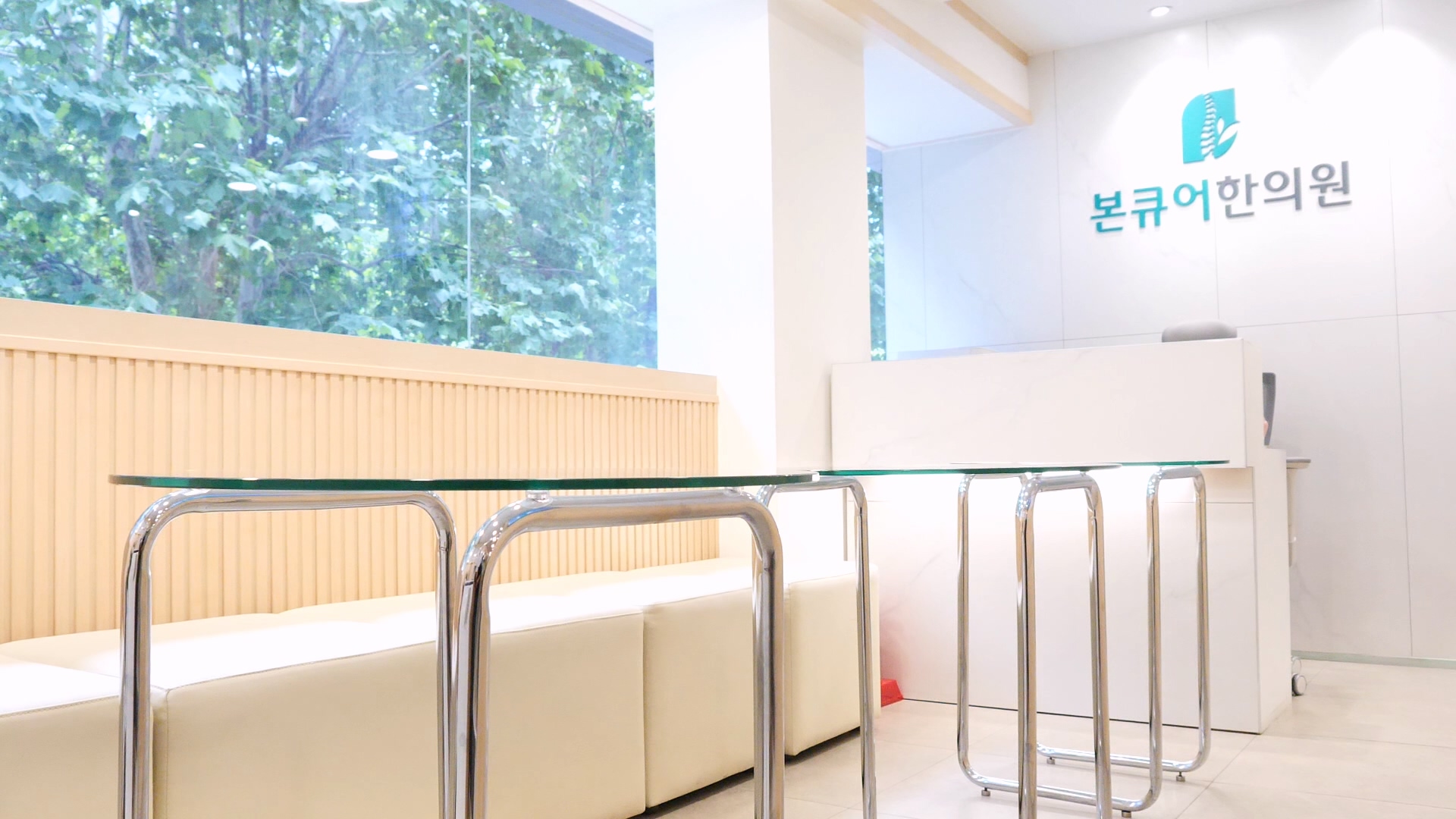
Integrated Pain Management in Seoul: A Structural Perspective
Structural balance is the physiological state where the skeletal system, particularly the spine and pelvis, maintains an optimal alignment to minimize mechanical stress and facilitate healthy nerve conduction. This equilibrium serves as the prerequisite for all other bodily functions, including digestion, circulation, and immune responses, by providing a stable framework for the soft tissues and internal organs.
The Core Principles of Structural Balance and Bone Health
The core principles of structural balance at BonCure emphasize the fundamental alignment of the skeletal system as the primary pillar of health. When the physical frame is misaligned, it places undue stress on the nervous system and surrounding soft tissues, leading to chronic dysfunction. At our clinic, we believe that when your bones smile, life smiles. (Please note: This slogan represents our clinical goals; individual results may vary). This philosophy is grounded in the observation that structural integrity directly correlates with internal physiological stability. By focusing on the spine and major joints, we address the architectural foundation of the body rather than merely suppressing local symptoms. Our practitioners coordinate advanced diagnostic imaging, including whole-spine X-rays via our partner hospital network, to identify subtle deviations that contribute to long-term pain. This structural approach ensures that every intervention is tailored to the patient's unique anatomy, fostering a sustainable environment for natural recovery. Achieving this balance is not just about relief, it is about restoring the body's innate capacity for resilience and movement.
How Spinal Alignment Influences Whole-Body Wellness
Spinal alignment serves as the primary gateway for communication between the brain and the peripheral nervous system, making it a critical factor in systemic wellness. Misalignments, or subluxations, can interfere with signal transmission, manifesting as a diverse range of symptoms including fatigue, digestive issues, and autonomic imbalances. At BonCure, we recognize that the spine is the central axis of human health. When the vertebrae are correctly stacked, the body experiences reduced energy expenditure and improved circulation. Clinical observations indicate that addressing these structural shifts can lead to significant improvements in subjective well-being and objective physiological markers. By ensuring the spinal column remains flexible and correctly aligned, we help patients overcome chronic stressors that often hinder daily life. This holistic view of the spine allows us to treat the person as a whole, facilitating a shift from chronic discomfort to active, pain-free living through precise and intensive structural corrections performed by our expert clinical team.
Defining Integrated Pain Management at BonCure
Integrated pain management at BonCure is defined by a rigorous evidence-based protocol that seeks to resolve the root causes of physical suffering. As the Director of BonCure, I, Song Jung-hyun, have developed a methodology that integrates traditional insights with modern anatomical precision. Our approach goes beyond surface-level treatments to release deep-seated tissue adhesions and realign bone structures. We utilize specialized tools such as acupotomy to perform microscopic dissections of fibrotic tissues that often restrict movement and cause persistent inflammation. By combining this mechanical release with therapeutic alignment, we provide a comprehensive solution for patients who have not found success with conventional therapies. Our clinical process is designed to support international patients seeking high-quality care in the heart of Seoul. We prioritize safety and transparency, coordinating with partner medical centers to ensure that every patient understands their diagnostic results and the specific goals of their recovery plan. This commitment to excellence ensures that we strive for high standards in the field of structural restoration and holistic pain management.
Acupotomy: The Science of Releasing Tissue Adhesion
Acupotomy is a specialized clinical procedure that utilizes a blade-like acupuncture needle to physically release adhesions, scar tissue, and fibrotic thickenings in deep musculoskeletal layers. This intervention targets the mechanical barriers to healing, allowing for the restoration of blood flow and the decompression of entrapped nerves in chronic pain zones.
Targeted Treatment for Chronic Musculoskeletal Pain
Targeted treatment at BonCure involves the application of acupotomy to specifically address chronic musculoskeletal pain that has resisted standard rehabilitation. This technique is particularly effective for conditions where soft tissues have become abnormally adhered, creating a cycle of restricted movement and persistent soreness. By using a specialized flat-headed needle, we can perform precise micro-releases of the fascia and ligaments without the need for invasive surgery. This process stimulates the body's natural regenerative response, encouraging the growth of healthy, flexible tissue in place of rigid scarring. Patients often seek this treatment for complex issues like chronic lower back pain, frozen shoulder, or persistent neck tension. While the procedure involves physical manipulation of deep layers, our focus is always on achieving long-term functional improvement. We carefully map out the affected areas to ensure that each session contributes to a cumulative recovery effect. This targeted intervention allows us to provide relief for conditions that were previously considered difficult to manage, aiming for fundamental improvement where other approaches may have focused solely on symptoms.
Restoring Movement through Precise Structural Intervention
Restoring movement requires more than just pain relief, it necessitates the re-establishment of the body's natural biomechanics through precise structural intervention. At BonCure, we focus on the relationship between the joints and the surrounding soft tissues to ensure that every movement is fluid and efficient. When tissues are released from adhesions, the joints are free to return to their optimal positions. This synergy between soft tissue release and skeletal realignment is the hallmark of our clinical practice. We have observed that international patients, often burdened by long-travel stress, find significant benefit in this integrated approach. By addressing the physical constraints at their source, we empower individuals to regain their range of motion and return to their favorite activities. Each treatment plan is a collaboration between the clinician and the patient, focusing on clear milestones and functional goals. This precision ensures that we do not just treat the symptom, but we restore the foundational integrity required for a life of active and comfortable movement throughout the years.
Clinical Evidence for Regenerative Recovery
Clinical evidence at BonCure supports the effectiveness of our structural restoration protocols, as documented in various case reports and academic studies. For instance, in clinical case reports involving patients with chronic tinnitus, we have observed cases where significant improvements in assessment scores were recorded following a series of treatments focused on cervical alignment. Furthermore, clinical records include cases where patients with sudden sensorineural hearing loss showed clinically significant improvements in hearing levels after a course of integrated therapy. These results highlight the profound impact that structural correction can have on sensory and autonomic functions. We also coordinate whole-spine X-rays through our partner hospital network to objectively measure changes in spinal curvature, providing visual proof of recovery. While these case reports reflect specific outcomes and may not be typical for every individual, they serve as competent evidence for the regenerative potential of acupotomy and structural alignment. We maintain a high standard of clinical rigor to ensure that every claim of improvement is backed by objective data and careful patient monitoring.
Comparing Treatment Modalities for Lasting Results
Comparative efficacy in pain management involves evaluating different therapeutic strategies based on their ability to address both immediate symptoms and the underlying structural causes of dysfunction. Selecting the appropriate modality requires an understanding of how each treatment affects the tissue health and skeletal positioning over the long term.
| Feature | Symptomatic Relief (Conventional) | Integrated Structural Care (BonCure) |
|---|---|---|
| Primary Goal | Reduction of pain sensation | Restoration of structural alignment and tissue health |
| Treatment Focus | Localized symptom management | Whole-body skeletal and soft tissue balance |
| Methodology | Medication or local injections | Acupotomy and structural alignment therapy |
| Tissue Impact | Chemical modulation of pain signals | Physical release of deep tissue adhesions |
| Long-term Outlook | Focus on immediate relief | Aims for long-term stability through structural improvement |
| Diagnostic Focus | Symptom reporting | Whole-spine X-ray and structural analysis |
Identifying the Root Cause of Recurrent Discomfort
Identifying the root cause of recurrent discomfort is essential for preventing the cycle of chronic pain that many patients face. Often, persistent issues are not the result of a single injury, but rather the cumulative effect of poor posture, structural imbalances, and untreated tissue adhesions. At BonCure, we look beyond the site of pain to understand the mechanical chain of events leading to the symptom. For example, chronic headaches may stem from a misalignment in the cervical spine combined with tension in the deep suboccipital muscles. By diagnosing these underlying factors, we can provide a treatment that offers lasting stability rather than a temporary fix. This investigative approach is crucial for patients who have sought multiple consultations without finding long-term stability. We use a combination of physical assessments and diagnostic imaging through our partner network to create a comprehensive map of the patient's structural health. This ensures that every intervention is targeted at the actual source of the problem, leading to more predictable and durable clinical outcomes.
Why Modern Seoul Residents Choose Holistic Alignment
Modern Seoul residents increasingly choose holistic alignment at BonCure because it offers a sophisticated alternative to purely pharmaceutical or invasive surgical options. In a fast-paced city where stress and sedentary work are common, many individuals suffer from "text neck" and other postural syndromes that diminish their quality of life. These patients seek solutions that are both scientifically grounded and physically restorative. Our clinic provides a modern environment that respects the complexity of the human body while utilizing advanced tools like acupotomy. The demand for integrated pain management reflects a broader shift toward proactive health maintenance and structural longevity. Residents appreciate our commitment to objective results, such as the use of standardized pain scales and X-ray documentation. By offering a treatment that bridges the gap between traditional wisdom and modern biomechanics, we provide a path to wellness that aligns with the lifestyle needs of active professionals. This focus on structural integrity helps our patients stay resilient in the face of urban life, ensuring they can perform at their best every day.
Patient-Centered Care for Diverse Pain Profiles
Patient-centered care is a clinical philosophy that prioritizes the individual needs, values, and biological profiles of each patient when designing and implementing a treatment plan. This approach ensures that therapy is not only effective but also safe, respectful, and aligned with the patient's long-term health goals.
Addressing Autonomic Imbalance and Dizziness through Alignment
Addressing autonomic imbalance and symptoms like dizziness requires a deep understanding of how the cervical spine interacts with the nervous system. At BonCure, we have seen that many patients with atypical neurological symptoms, such as vertigo or unexplained anxiety, often harbor significant structural misalignments in the upper neck. These deviations can put pressure on the vertebral arteries and the vagus nerve, disrupting the body's internal balance. By carefully realigning these structures, we can often alleviate the mechanical irritation that triggers autonomic dysfunction. Clinical case reports from our practice suggest that restoring the natural curve of the neck can lead to a stabilization of the autonomic nervous system. This is particularly relevant for patients who have been diagnosed with "unexplained" dizziness after standard medical tests come back clear. Our structural approach provides a new perspective on these complex conditions, offering a potential path to recovery by focusing on the physical relationship between the spine and the neurological pathways that govern balance and stress.
Safety Protocols and Personalized Recovery Timelines
Safety protocols at BonCure are strictly maintained to ensure the highest standards of clinical hygiene and patient protection. Every acupotomy procedure is performed using sterile, single-use equipment in a controlled clinical environment to minimize the risk of infection. While the treatment is generally safe, patients should be aware of potential side effects such as temporary soreness, minor bruising, or light bleeding at the site of the intervention. These are typically mild and resolve within a few days. We also recognize that recovery timelines are highly personalized. While some individuals report an immediate increase in range of motion after one session, those with chronic or degenerative conditions often require multiple treatments over several weeks to achieve stable structural changes. We provide each patient with a detailed post-treatment care plan and monitor their progress through regular follow-up assessments. This balanced approach to care ensures that we manage expectations while providing a safe and supportive environment for structural restoration. Transparency regarding risks and the necessity for cumulative treatment is central to our ethical commitment to our patients.
Global Standards for International Patients in Seoul
Global standards of care are a priority at BonCure, especially as we welcome an increasing number of international patients to our Seoul facility. We understand that traveling for medical treatment requires a high level of trust and clear communication. Our team is dedicated to providing a seamless experience, from the initial consultation to the final recovery check-up. We adhere to international best practices in clinical documentation and coordinate diagnostic imaging via recognized partner hospitals, ensuring that our treatments are recognizable and respected by healthcare providers worldwide. As Director, I, Song Jung-hyun, personally oversee the treatment of our foreign guests, ensuring that their specific needs and timelines are accommodated. We provide comprehensive reports and diagnostic images that patients can take back to their home countries. This global outlook is supported by our modern clinic environment, which combines cutting-edge clinical protocols with a welcoming, patient-first atmosphere. By maintaining these high standards, we ensure that every visitor to our clinic receives world-class structural care, regardless of where they call home. Our goal is to make BonCure a global hub for those seeking high-quality integrated pain management.
For more information on specific structural issues, you may find these resources helpful: A 2026 Clinical Guide to Acupotomy and Structural Alignment: The BonCure Approach to Intractable Pain, A 2026 Clinical Guide to Chuna Therapy for Chronic Pain: Structural Restoration at Bonecure, and A 2026 Clinical Guide to Structural Restoration at BonCure Korean Medicine Clinic.
Key Takeaways
- Structural Alignment is Essential: The primary focus of therapy is realigning the spine and joints to restore the body's natural balance and nervous system function.
- Acupotomy for Root Causes: This specialized procedure releases deep tissue adhesions that cause chronic pain, offering a mechanical solution to physical discomfort.
- Evidence-Based Results: Clinical case reports at the clinic show significant improvements in specific cases ranging from chronic tinnitus to musculoskeletal dysfunction, though results vary by individual.
- Safety and Personalization: Every treatment plan is tailored to the individual, with strict safety protocols and a clear understanding of the recovery process and potential side effects.
- Global Patient Support: BonCure provides world-class care for both local and international patients, ensuring high standards of communication and diagnostic transparency.
Frequently Asked Questions
Q. What exactly is the "Integrated Pain Management" approach at BonCure?
Our approach at BonCure focuses on structural restoration rather than just treating symptoms. As Director Song Jung-hyun, I utilize a combination of precise diagnostic imaging (coordinated via partner hospitals) and intensive acupotomy to release internal adhesions and realign the spine, which helps restore the body's natural balance and alleviates chronic pain from its primary source.
Q. How does Acupotomy differ from the traditional acupuncture most people know?
Acupotomy uses a specialized, blade-like needle to physically separate adhered tissues and fibrotic scar tissue deep within the body. While traditional acupuncture focuses primarily on the flow of energy or Qi, Acupotomy is a direct structural intervention designed to improve physiological movement, blood flow, and nerve function by removing physical obstructions.
Q. Are there any specific risks or side effects associated with Acupotomy?
As with any clinical procedure, patients may experience some temporary side effects such as soreness, minor bruising, or light bleeding at the treatment site. In very rare cases, infection could occur, which is why BonCure maintains strict sterile protocols, uses single-use equipment, and provides personalized post-care monitoring for every patient.
Q. How many sessions will I need before I start feeling an improvement?
Recovery results vary significantly between individuals based on the severity and duration of their condition. While some patients report an immediate improvement in their range of motion after just one session, chronic or severe conditions typically require multiple sessions to achieve lasting structural stability and functional recovery.
Q. Can correcting my spinal alignment really help with symptoms like dizziness or tinnitus?
Yes, it is possible in many cases. My clinical experience and specific case reports at BonCure indicate that correcting cervical spine alignment can improve autonomic nervous system function and blood flow. This has led to a significant reduction in symptoms such as dizziness and tinnitus for specific patients who suffered from structural imbalances.
Q. Is the treatment session painful for a new patient?
Acupotomy involves the physical manipulation of deep tissues and the release of adhesions, so some level of discomfort is expected during the procedure. However, most patients find the immediate improvement in physical mobility and the subsequent long-term reduction in chronic pain to be well worth the temporary sensation during the treatment.
Q. How can I find out if I am a good candidate for this structural therapy?
A thorough clinical consultation is required to determine candidacy. We coordinate whole-spine X-rays via partner hospitals and use objective assessment scales for pain, anxiety, and function to determine the degree of your structural imbalance. This allows us to create a customized plan tailored to your specific musculoskeletal needs and health history.
If you are struggling with chronic pain or structural issues, please reach out for a professional consultation.
BonCure / Director Song Jung-hyun
FAQ
- What exactly is the "Integrated Pain Management" approach at Bonecure?
- Our approach at Bonecure focuses on structural restoration rather than just treating symptoms. As Director Song Jung-hyun, I utilize a combination of whole-spine diagnostic imaging and acupotomy to release internal adhesions and realign the spine, which helps restore the body's natural balance and alleviates chronic pain from its primary source.
- How does Acupotomy differ from the traditional acupuncture most people know?
- Acupotomy uses a specialized, blade-like needle to physically separate adhered tissues and fibrotic scar tissue deep within the body. While traditional acupuncture focuses primarily on the flow of energy or Qi, Acupotomy is a direct structural intervention designed to improve physiological movement, blood flow, and nerve function by removing physical obstructions.
- Are there any specific risks or side effects associated with Acupotomy?
- As with any clinical procedure, patients may experience some temporary side effects such as soreness, minor bruising, or light bleeding at the treatment site. In very rare cases, infection could occur, which is why Bonecure maintains strict sterile protocols, uses single-use equipment, and provides personalized post-care monitoring for every patient.
- How many sessions will I need before I start feeling an improvement?
- Recovery results vary significantly between individuals based on the severity and duration of their condition. While some international patients report an immediate improvement in their range of motion after just one session, chronic or severe conditions typically require multiple sessions to achieve lasting structural stability and functional recovery.
- Can correcting my spinal alignment really help with symptoms like dizziness or tinnitus?
- Yes, it is possible in many cases. My clinical experience and specific case reports at Bonecure indicate that correcting cervical spine alignment can improve autonomic nervous system function and blood flow. This has led to a significant reduction in symptoms such as dizziness and tinnitus for specific patients who suffered from structural imbalances.
- Is the treatment session painful for a new patient?
- Acupotomy involves the physical manipulation of deep tissues and the release of adhesions, so some level of discomfort is expected during the procedure. However, most patients find the immediate improvement in physical mobility and the subsequent long-term reduction in chronic pain to be well worth the temporary sensation during the treatment.
- How can I find out if I am a good candidate for this structural therapy?
- A thorough clinical consultation is required to determine candidacy. We utilize whole-spine X-rays and objective assessment scales for pain, anxiety, and function to determine the degree of your structural imbalance. This allow us to create a customized plan tailored to your specific musculoskeletal needs and health history.