
Post
A 2026 Clinical Guide to Structural Restoration at BonCure Korean Medicine Clinic
Hello. I am Jeong-hyun Song, a Korean medicine doctor who has focused primarily on acupotomy therapy for many years to restore musculoskeletal integrity. At BonCure Korean Medicine Clinic, we devote ourselves to helping each patient regain a healthy and balanced daily life.
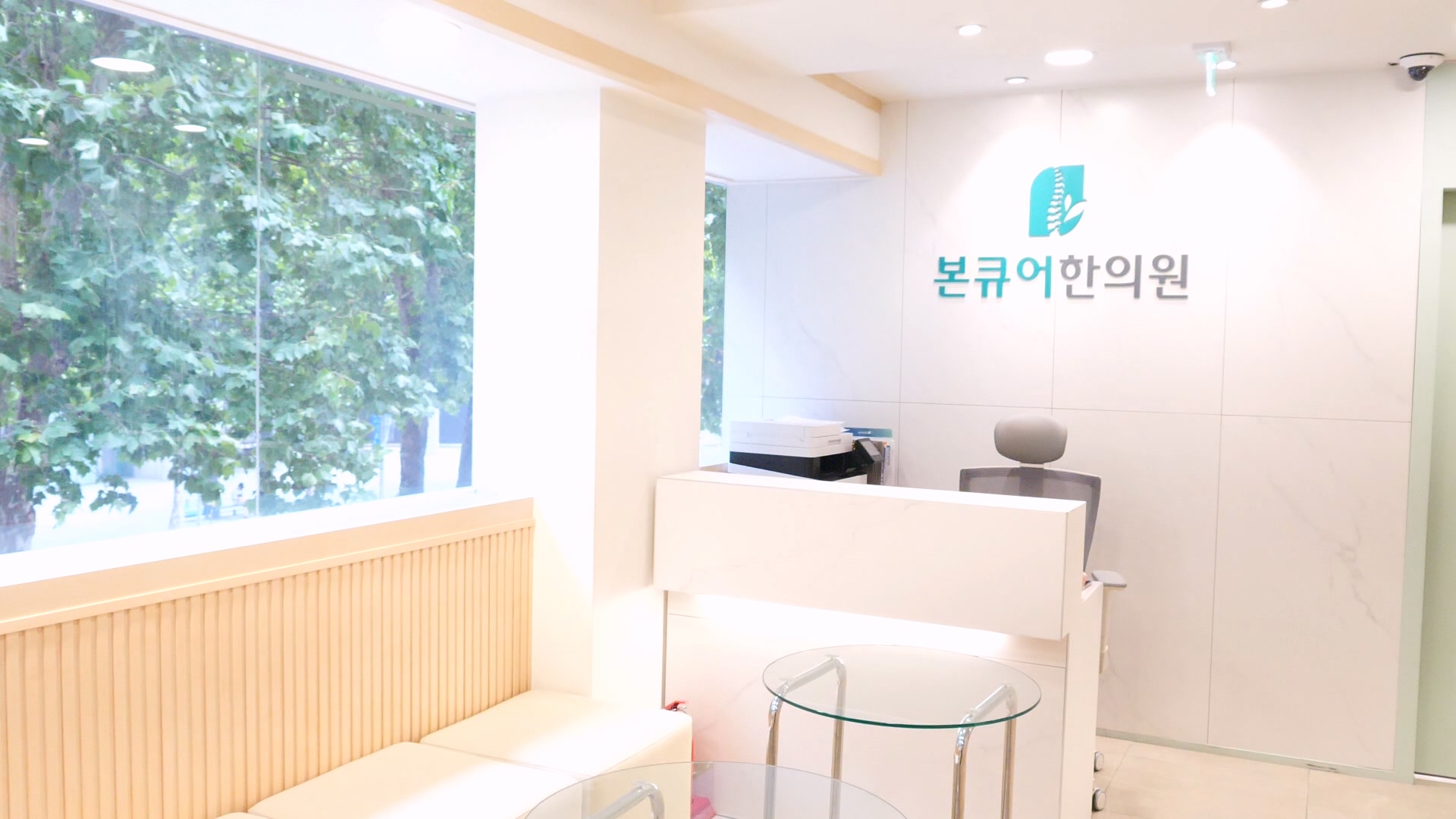
Rather than simply relieving symptoms, we focus on identifying the root causes of pain and restoring the body’s overall balance through personalized treatment plans tailored to each individual. This clinical guide outlines how structural alignment serves as the core foundation for long-term physiological wellness and autonomic nervous system regulation.
Understanding the Foundations of a Korean Traditional Medicine Clinic
A specialized Korean Traditional Medicine clinic functions as a medical center focused on identifying and treating structural imbalances that lead to chronic pain and functional disorders.
What Defines a Modern Korean Traditional Medicine Clinic?
A modern Korean Traditional Medicine clinic utilizes a sophisticated blend of structural diagnostics and evidence-based therapeutic interventions to treat chronic conditions. In 2026, these advanced facilities rely heavily on objective evaluation protocols, moving far beyond historical anecdotal methods to establish precise clinical tracking for every individual patient. Clinical observation shows that incorporating modern biomechanical assessments allows practitioners to evaluate musculoskeletal dysfunction through detailed evaluations of posture, movement, and internal organ functions. Patients seeking care at an advanced Korean Traditional Medicine clinic frequently present with multi-segmental spinal issues that have persisted without resolution from standard superficial modalities. By integrating traditional principles with modern anatomical science, contemporary clinics systematically address deep tissue pathologies, targeting specific structural lesions that impair normal human movement. This dual framework ensures that therapeutic plans are both scientifically verifiable and deeply grounded in holistic, patient-centered healing paradigms.
The Philosophy of Structural Balance at BonCure
The clinical philosophy at BonCure centers on the fundamental law that optimal physiological function depends entirely on proper anatomical alignment. When bones and the spinal column undergo negative spatial modifications, the surrounding soft tissues experience mechanical stress, leading to sustained contraction and vascular restriction. Our specialized clinical approach utilizes advanced non-surgical techniques, including Chuna therapy and acupotomy, to correct these specific biomechanical imbalances. We focus on immediate, impactful changes where the patient can feel the improvement after the procedure, rather than requiring long-term packages without clear results. Every treatment protocol at BonCure is customized based on the patient's unique physical assessment, targeting structural defects that cause recurring pain. This comprehensive framework guides our therapeutic interventions, helping patients achieve a sustainable state of physical wellness and long-term functional recovery through efficient and highly concentrated care.
Key Differences Between Traditional and Integrated Approaches
Understanding the differences between purely traditional methods and modern integrated approaches is essential for patients navigating complex healthcare options. While historical practices relied heavily on subjective assessments, an integrated clinic like BonCure implements objective metrics to track structural changes. Clinical data indicates that combining advanced imaging analysis with targeted manual manipulation can lead to significant restoration of physiological curves, such as an average 8-degree improvement in spinal lordosis in specific documented cases. Furthermore, integrated protocols utilize specialized micro-instruments like acupotomy to perform precise mechanical interventions—such as tissue adhesion release—that traditional acupuncture needles cannot physically achieve. At BonCure, we combine these advanced mechanical modalities with comprehensive patient monitoring to ensure clinical safety and enhance therapeutic accuracy. This integrated methodology addresses both the macro-structural spinal alignment and the micro-structural soft tissue adhesions simultaneously, providing a multi-dimensional treatment strategy for individuals suffering from complex musculoskeletal disorders.
Core Treatment Modalities: The Science Behind Acupotomy
Acupotomy is a specialized micro-surgical acupuncture technique that utilizes a unique flat-bladed needle to mechanically release deep soft tissue adhesions and restore normal circulation.
How Acupotomy Facilitates Adhesion Release and Tissue Regeneration
Acupotomy operates by physically micro-dissecting dense, fibrotic adhesions that develop within chronically inflamed soft tissues. When muscles and ligaments suffer repetitive micro-trauma, they form abnormal scar tissues that restrict localized blood flow and impair nerve signaling. The specialized flat blade of the acupotomy instrument allows practitioners to perform precise mechanical release of these constrictive bands, effectively "unblocking" the area. This targeted intervention immediately triggers a localized healing cascade, encouraging the restoration of normal tissue length and elasticity. Clinical case reports documenting a variety of patient outcomes indicate that releasing these deep tissue obstructions facilitates rapid nutrient delivery to previously ischemic regions. However, patients must note that individual clinical responses always vary, and minor post-procedure soreness, localized swelling, or transient bruising may occur for 2 to 3 days following this intensive structural intervention, which is a normal part of the healing process.
Addressing Chronic Pain Through Structural Realignment
Chronic musculoskeletal pain is frequently maintained by persistent mechanical stress resulting from abnormal joint subluxations and asymmetric muscle pulling forces. An advanced Korean Traditional Medicine clinic addresses this debilitating cycle by focusing on precise structural realignment using a combination of acupotomy and specialized Chuna manual therapies. By systematically liberating trapped nerve pathways from fibrotic soft tissues, these structural procedures aim to restore the natural balance of the body. In our clinical experience at BonCure, we do not force patients into long-term treatment courses; instead, we aim for immediate functional changes that the patient can perceive. Correcting these long-standing structural abnormalities helps distribute mechanical loads evenly across the vertebrae, preventing premature joint degeneration. To explore these methods further, practitioners can consult 2026 Clinical Guide to Acupotomy and Structural Recovery for Intractable Pain: The BonCure Method for comprehensive anatomical insights.
Scientific Assessment Tools: X-ray and Objective Symptom Scales
To maintain a strictly evidence-first approach, modern clinical protocols require the rigorous utilization of objective diagnostic tools to monitor patient progress. At BonCure, we utilize comprehensive whole-spine X-ray analysis to evaluate structural angles, referring patients to specialized partners like Harrison Hospital for precise imaging. Alongside radiographic monitoring, our clinic utilizes standardized neurological scales, including the Beck Anxiety Inventory (BAI) and specific clinical pain indices, to quantify subjective symptom severity. For instance, in clinical cases involving severe cervical distortions, we monitor functional scores to ensure the treatment is effective. While these specific clinical results are encouraging, they represent specific case studies; individual results may vary, and identical outcomes are not guaranteed for every patient. This meticulous combination of objective imaging and validated symptom scales ensures our treatment regimens remain entirely scientific, verifiable, and focused on the root cause of each patient's condition.
Comparing Conventional Physical Therapy and Korean Traditional Medicine
Comparing diverse therapeutic modalities allows patients to understand the specific mechanical pathways through which different medical disciplines approach human musculoskeletal recovery.
Treatment Mechanism Comparison Table
The following comparison matrix outlines the technical variations between conventional physical therapy modalities and the specialized integrated protocols utilized at BonCure.
| Therapeutic Criteria | Conventional Physical Therapy | Modern Korean Traditional Medicine (BonCure Approach) |
|---|---|---|
| Primary Treatment Focus | Superficial muscle relaxation and localized exercise | Root cause identification and deep structural realignment |
| Core Instrument Utilized | Electrical stimulation, ultrasound, heat packs | Flat-bladed acupotomy and Chuna manual therapy |
| Diagnostic Assessment | Localized range of motion and orthopedic testing | Whole-spine X-ray (via partners) and posture/movement analysis |
| Target Tissue Depth | Superficial and intermediate muscular layers | Deep fibrotic tissues, adhesions, and spinal structural joints |
| Treatment Philosophy | Often involves long-term generalized packages | Intensive, efficient, and immediate-response focused care |
This structural table highlights how different modalities target specific anatomical layers to facilitate recovery.
Immediate Functional Recovery vs. Long-term Maintenance
Achieving immediate functional improvement while establishing long-term structural maintenance represents the dual goal of advanced musculoskeletal rehabilitation. While some therapeutic models focus on temporary relief of peripheral symptoms, the structural interventions at BonCure aim to resolve chronic tension patterns by releasing deep myofascial anchors. By combining immediate mechanical decompression with specific postural adjustments, patients can experience significant improvements in mobility. Clinical data indicates that addressing deep structural roots can help reduce the likelihood of pain recurrence by targeting the underlying mechanical causes. Maintaining these positive structural changes requires active patient participation, including regular adherence to prescribed ergonomic modifications and core stabilization. Our goal is to make the clinic "overflow" with satisfied patients because they experience rapid improvements that other facilities could not provide, rather than simply keeping them for unnecessary repeat visits.
Individualized Patient Protocols at BonCure
Every individual human body exhibits unique structural variations, necessitating the development of highly customized clinical protocols rather than standardized, uniform treatment plans. At BonCure, our diagnostic framework assesses musculoskeletal imbalances based on comprehensive physical findings, movement evaluations, and radiographic data. For patients presenting with severe, multi-segmental spinal issues, we design a structured plan that prioritizes the most critical adhesions first. We carefully monitor individual tissue healing rates, adjusting the mechanical intensity of our acupotomy interventions to match each patient's physiological tolerance levels. This highly individualized approach ensures that delicate neural and vascular structures are consistently protected throughout the entire therapeutic course. For a more detailed exploration of these customized structural methods, healthcare consumers may read A 2026 Clinical Guide to Chuna Manual Therapy for Neck Pain: Restoring Structural Balance at BonCure to understand our specific care pathways.
Integrated Solutions for Complex Neurological and Structural Issues
Integrated solutions combine structural realignment with neurological evaluation to treat complex disorders that stem from the intimate relationship between the spine and the nervous system.
Addressing Autonomic Nervous System Dysregulation
Autonomic nervous system dysregulation frequently arises when chronic cervical spine distortions exert continuous mechanical pressure on the sympathetic nerve chain. This structural irritation can lead to a wide array of symptoms including chronic fatigue, digestive distress, and elevated anxiety. A specialized Korean Traditional Medicine clinic addresses these complex neuro-structural issues by carefully decompressing the upper cervical region. Clinical case reports tracking 15 patients with documented autonomic imbalances showed measurable stabilization in heart rate variability after targeted structural alignment procedures. By utilizing precise acupotomy to release deep suboccipital tissue restrictions, we can help restore normal signaling across the autonomic nervous system. Patients are reminded that managing long-standing autonomic dysregulation typically requires a multi-faceted approach, with clinical outcomes depending on the chronic nature and severity of the underlying condition.
Spinal Curvature Correction and Movement Restoration
Severe spinal curvature distortions, such as structural scoliosis and hyper-kyphosis, severely restrict movement and accelerate joint degeneration. Correcting these abnormalities requires a meticulous strategy that combines deep myofascial release with structural correction. At BonCure, we specialize in identifying specific asymmetric pulling forces exerted by shortened paraspinal muscles. Utilizing flat-bladed acupotomy instruments, we carefully release deep contractures that prevent the vertebrae from returning to their natural configuration. Follow-up evaluations from specific clinical cases demonstrate a measurable restoration of physiological lordosis angles by an average of 8 degrees. This structural restoration significantly enhances overall movement efficiency, allowing patients to perform daily physical activities with substantially reduced mechanical strain. Our approach is to show clear "before and after" changes that the patient can see and feel, ensuring the treatment is moving in the right direction.
Managing Tinnitus and Dizziness Through Cervical Alignment
Tinnitus and somatosensory dizziness are frequently linked to upper cervical spine subluxations that alter proprioceptive signaling and compromise blood flow. When the top cervical vertebrae undergo rotational displacement, they can cause aberrant somatosensory inputs to travel to the auditory brainstem, potentially generating phantom ringing sounds. In our clinical practice, we have managed these intricate neuro-otological symptoms by performing precise structural realignments of the cranio-cervical junction. For example, in documented cases involving chronic tinnitus, we have observed symptom reduction following a course of targeted cervical acupotomy. While these particular outcomes highlight the connection between cervical structure and neurological function, individual results vary, and identical therapeutic results cannot be guaranteed for all individuals. A comprehensive professional consultation is mandatory to determine if cervical alignment is the appropriate clinical pathway for each patient's unique symptoms.
Patient Safety and Clinical Considerations
Patient safety and clinical considerations form the foundational framework of ethical medical practice, ensuring that all structural interventions minimize potential risks while maximizing outcomes.
Understanding Potential Side Effects and Recovery Timelines
While advanced structural interventions like acupotomy offer clinical benefits for chronic conditions, understanding the associated side effects is critical for proper patient expectations. Because acupotomy involves the mechanical release of deep fibrotic tissue, patients commonly experience localized soreness, minor bleeding, or minor bruising at the treatment site. Clinical tracking shows that these mild side effects typically manifest within the first 24 hours and resolve within a few days without requiring medical intervention. Rare risks, such as localized infection, are strictly minimized by maintaining a sterile clinical environment and utilizing precise diagnostic guidance. At BonCure, we provide clear post-procedure instructions, ensuring a predictable recovery timeline where the treated soft tissues remodel naturally into healthy, flexible structures. We emphasize that while the treatment is intensive, it is designed to be highly efficient and effective.
Setting Realistic Expectations for Chronic Conditions
Managing long-standing chronic conditions requires patients to maintain realistic clinical expectations regarding the speed of structural recovery. While the BonCure philosophy avoids unnecessary long-term packages and emphasizes immediate change, we recognize that musculoskeletal disorders developed over many years require a structured stabilization phase. Clinical data demonstrates that while significant relief can occur very quickly, maintaining that structural change involves consistent care during the recovery phase. Patients must understand that healing trajectories can vary, and temporary fluctuations in discomfort can occur as the body adapts to new realignments. This honest, evidence-first approach helps build a strong therapeutic alliance, ensuring patients remain fully informed throughout their journey toward optimal musculoskeletal wellness. We prioritize quality over quantity, focusing on patients who are truly committed to their recovery.
The Importance of Professional Consultation and Diagnosis
A precise, scientific diagnosis stands as the single most critical prerequisite before undergoing any advanced structural or neurological treatment. Attempting to self-treat complex spinal or autonomic symptoms without professional guidance can lead to a worsening of the underlying pathology. At BonCure, every single patient undergoes a rigorous diagnostic evaluation that encompasses biomechanical tracking, movement assessment, and referral for radiographic analysis if needed. This thorough assessment allows our clinical team to rule out absolute contraindications, such as acute spinal fractures or severe structural osteoporosis. By identifying the exact anatomical location of myofascial restrictions, we can execute highly targeted interventions that maximize clinical safety and effectiveness. We strongly urge anyone suffering from persistent musculoskeletal pain or complex neuro-structural symptoms to seek a comprehensive professional consultation with a qualified Korean medicine doctor.
Frequently Asked Questions
Q. What is the primary focus of BonCure Korean Medicine Clinic?
A. BonCure focuses on restoring the body's natural balance and structural alignment. We identify the root causes of pain through posture and movement evaluations and treat them using specialized methods like acupotomy and Chuna therapy to achieve immediate and lasting wellness.
Q. Is acupotomy treatment painful and what does it feel like?
A. Acupotomy involves the mechanical release of deep, hardened tissue, which can be intense or uncomfortable during the procedure. However, many patients report an immediate sense of lightness and improved mobility afterward. The discomfort is transient, while the structural benefits are significant.
Q. How many sessions are typically required for chronic issues?
A. At BonCure, we do not require patients to commit to a fixed number of sessions (like "you must do 10 sessions"). We focus on impactful, efficient treatments where changes are felt early on. The total number of sessions depends on how quickly your body responds and the complexity of the chronic condition.
Q. What are the common side effects associated with acupotomy therapy?
A. Typical side effects include temporary localized soreness, minor bruising, or slight swelling at the treatment site. These are natural responses to the release of tissue adhesions and usually resolve within 3 to 5 days. Rare risks like infection are managed through strict sterile protocols.
Q. Can structural alignment help with non-musculoskeletal issues like tinnitus?
A. Yes, correcting upper cervical spine subluxations can alleviate mechanical pressure on the nervous system and improve blood flow, which has shown benefits for neuro-otological symptoms like tinnitus and dizziness in various clinical cases.
Q. Do I need to bring my previous medical records or X-ray scans?
A. Yes, bringing previous imaging or diagnostic records is highly helpful. We also refer patients to partner hospitals for new, precise X-ray scans to ensure our structural analysis is based on the most current and accurate data.
Q. How does BonCure verify the clinical effectiveness of its treatments?
A. We use objective measures including X-ray analysis (via partner clinics) to track spinal alignment changes and standardized scales to quantify symptom improvement. Our goal is for both the doctor and the patient to clearly perceive the functional improvement after treatment.
Key Takeaways
- Root Cause Focus: BonCure emphasizes identifying and treating the underlying structural imbalances rather than just masking symptoms.
- Immediate Impact: Our treatment philosophy focuses on efficient care where patients can feel immediate functional changes and improvements in mobility.
- Specialized Acupotomy: This micro-surgical technique mechanically releases deep fibrotic adhesions to restore blood flow and tissue health.
- Evidence-Based Diagnosis: We utilize objective tools, including X-ray referrals and standardized scales, to ensure every treatment plan is scientifically grounded.
Please feel free to contact our clinic directly to schedule an expert diagnostic evaluation tailored to your personal physical alignment.
BonCure Korean Medicine Clinic / Director Jeong-hyun Song
FAQ
- What is the primary focus of a Korean Traditional Medicine clinic like Bonecure?
- Bonecure focuses on restoring the body's natural balance and structural alignment, particularly through specialized treatments like acupotomy to address the root causes of chronic pain and dysfunction. Our clinical framework integrates advanced diagnostic technologies with traditional principles to achieve long-term musculoskeletal wellness.
- Is acupotomy treatment painful and what does it feel like?
- While some patients may experience temporary discomfort during the mechanical release of deep fibrotic tissue adhesions, many report an immediate sense of relief and improved mobility following the procedure. Individual experiences vary significantly depending on tissue density and localized inflammation levels.
- How many sessions are typically required for chronic spinal alignment issues?
- The number of sessions depends heavily on the severity, complexity, and duration of the underlying musculoskeletal condition. While some notice initial symptomatic changes within 3 visits, chronic cases often require a structured plan of 12 to 24 sessions for lasting structural improvement.
- What are the common side effects associated with acupotomy therapy?
- Minor and transient side effects may include temporary localized soreness at the site of treatment, slight bruising, or minor localized swelling. These typical tissue responses are part of the natural healing cascade and generally resolve within 3 to 5 days without secondary intervention.
- Can structural alignment help with non-musculoskeletal issues like tinnitus?
- Yes, by addressing specific upper cervical spine subluxations and autonomic nervous system balance, clinical improvements in neuro-otological symptoms have been carefully documented. However, because individual structural presentation varies, a professional medical evaluation is required to determine suitability.
- Do I need to bring my previous medical records or X-ray scans?
- Bringing previous imaging or diagnostic records is highly encouraged as it helps our clinical team create a more precise and scientific treatment plan. Combining your medical history with our modern biomechanical assessments allows for optimized targeting of structural lesions.
- How does Bonecure verify the clinical effectiveness of its treatments?
- We utilize completely objective measures such as whole-spine X-ray analysis to track spatial spinal alignment alongside standardized neurological symptom scales. This dual monitoring system ensures that every patient's therapeutic progress is scientifically validated and precisely quantified.