
Post
A 2026 Clinical Guide to Acupuncture Therapy Seoul: Structural Recovery at Bonecure
Hello, I am Dr. Song Jung-hyun, an oriental medical doctor who has dedicated my career to the practice of specialized acupotomy. My focus is on structural restoration, helping patients who have struggled with chronic conditions that standard treatments often fail to reach. At Bonecure, we believe that understanding the mechanical alignment of the body is the first step toward true healing.
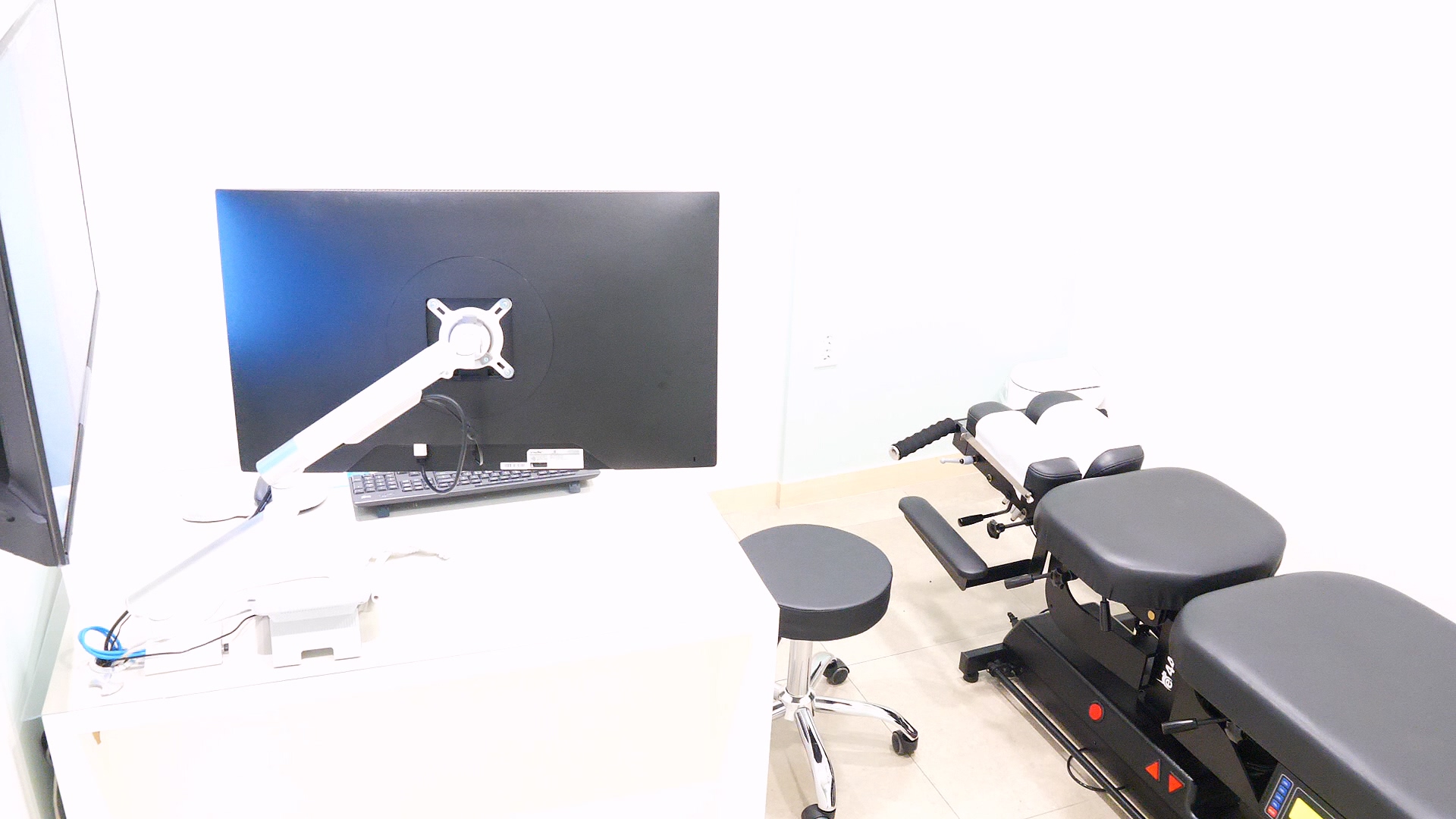
This guide explains how modern acupuncture therapy in Seoul can provide a path for recovery by addressing the root structural causes of your pain.
Understanding Acupuncture Therapy in Seoul: An Introduction to Modern Acupotomy
Acupotomy is a therapeutic intervention that combines the principles of traditional acupuncture with a specialized surgical-like release of soft tissue adhesions to restore musculoskeletal function. This method is distinct from traditional filiform acupuncture because it uses a micro blade tip to physically address structural barriers within the body.
Defining Acupotomy and Its Foundations in Traditional Korean Medicine
Acupotomy is a modernized form of acupuncture therapy in Seoul that integrates classical wisdom with surgical-grade precision. It utilizes a specialized needle with a flat, blade-like tip to physically release internal adhesions. At Bonecure, we focus on the fundamental premise that structural integrity dictates physiological function. When tissues become chronically inflamed or traumatized, they form scar tissue or adhesions that standard filiform needles cannot easily resolve. By carefully targeting these points of tension, we aim to restore the natural gliding motion between muscle layers and fascia. This approach is particularly effective for patients who have sought relief through traditional methods without significant improvement in their range of motion. While the sensations during the procedure can be intense, the goal is to provide a mechanical solution to a mechanical problem. It is essential to understand that this specialized technique requires deep anatomical knowledge to ensure both safety and precision during every session.
The Mechanics of Adhesion Release for Structural and Musculoskeletal Recovery
The core mechanism of acupotomy involves the physical dissection of myofascial adhesions and calcified ligaments that restrict skeletal movement. In our clinical practice, we observe that chronic pain often stems from these microscopic knots that trap nerves and limit blood flow. By applying controlled mechanical stimulus to these specific points, we initiate a localized healing response that promotes tissue remodeling. This structural recovery is a hallmark of the care provided at Bonecure, where we prioritize long-term stability over temporary symptomatic masking. Patients often report that the procedure helps improve physical flexibility, although the full biological remodeling process takes time and individual results may vary. It is crucial to note that because this technique involves physical release, minor bruising or localized inflammation may occur as part of the body's natural recovery cycle. Every procedure is performed with strict adherence to sterile protocols to minimize any risk of infection while maximizing the therapeutic potential of the structural alignment.
When Your Bones Smile, Life Smiles: Embracing the Bonecure Philosophy
At the heart of our practice is the belief that structural wellness is the cornerstone of a vibrant life. Our philosophy, encapsulated in the phrase "When your bones smile, life smiles," reflects a holistic commitment to patient health. We do not merely look at an isolated symptom, instead, we analyze the entire musculoskeletal framework to identify the root cause of discomfort. Bonecure utilizes this advanced acupuncture therapy in Seoul to help patients regain their active lifestyles by correcting the underlying imbalances that lead to chronic fatigue and systemic dysfunction. We understand that every patient arrives with a unique history of physical stress and injury. Therefore, our treatment plans are never generic but are carefully calibrated to the specific structural needs of the individual. By restoring the natural alignment and balance of the body, we provide a pathway for the body to heal itself more efficiently. This focused approach ensures that each session delivers efficient clinical intervention and direct sincerity in treatment toward lasting recovery.
Clinical Applications and Scientific Protocols of Advanced Acupuncture
The clinical application of advanced acupuncture therapy involves a rigorous diagnostic protocol that uses objective medical data to track patient progress. By combining traditional diagnostic methods with modern imaging and psychological scales, we ensure that every treatment is grounded in verifiable evidence.
Addressing Spinal Misalignment and Postural Issues Through Targeted Release
Spinal misalignment is frequently the underlying cause of various chronic pains, ranging from neck stiffness to lower back agony. At Bonecure, we utilize acupotomy to release the tension in the deep paraspinal muscles that pull the vertebrae out of their natural alignment. For instance, in clinical cases involving idiopathic scoliosis, we have observed significant improvements in postural symmetry after targeted structural treatments. By loosening the rigid soft tissues that maintain pathological curvatures, we allow the spine to return to a more neutral state. This process is not instantaneous and typically requires a series of sessions to achieve stable results. We often monitor these changes using whole spine X-ray imaging to provide a clear before and after comparison of the skeletal structure. This objective visualization helps patients understand their own progress and the importance of maintaining proper posture. Our goal is to ensure that the skeletal framework can support the body without unnecessary strain or compensation.
Managing Chronic Symptoms: From Tinnitus and Dizziness to Autonomic Imbalances
Chronic symptoms like tinnitus and dizziness are often linked to structural issues in the cervical spine and autonomic nervous system dysfunction. Clinical case reports suggest that structural intervention can be helpful for chronic tinnitus symptoms. In our clinical experience, patients who have struggled with long-term ear discomfort have shown improvement in their symptom scales following a consistent course of specialized acupuncture, though outcomes depend on the individual's condition. Bonecure applies these techniques to improve blood flow to the inner ear and stabilize the autonomic signals that control balance and hearing. While these results are specific to individual cases and do not guarantee the same outcome for every patient, they highlight the importance of looking beyond the ear itself. Many patients with autonomic imbalances also suffer from chronic fatigue and digestive issues, which we address by restoring structural harmony. By relieving pressure on the nervous system, we help the body regain its natural regulatory capacity, leading to a general sense of improved well-being.
Objective Metrics: Using Whole Spine X-Rays and Clinical Evaluation Scales
To move beyond subjective reports of feeling better, we rely on validated clinical evaluation scales to measure therapeutic success. We regularly utilize the Beck Depression Inventory (BDI) and the Beck Anxiety Inventory (BAI) to assess how structural pain affects the psychological state of our patients. Additionally, the use of whole spine X-ray imaging allows us to objectively track the repositioning of the skeletal system over time. These metrics provide a scientific basis for our treatment protocols and help us refine our approach for each individual. For example, seeing a numerical decrease in a pain scale or a visible improvement in spinal curvature provides tangible proof of recovery. At Bonecure, we are committed to transparency and scientific rigor, ensuring that our patients are informed by data rather than just intuition. While the healing process is personal, having these objective markers helps maintain motivation and provides a clear roadmap for the treatment journey. We believe that integrating these scientific protocols is essential for the future of modern Korean medicine.
Comparing Treatment Modalities: Standard Acupuncture vs. Advanced Acupotomy
Understanding the distinction between various acupuncture modalities is essential for patients seeking the most appropriate care for their specific structural needs. While both standard acupuncture and acupotomy have their merits, they serve different clinical purposes and target different layers of the body.
| Feature | Standard Acupuncture | Advanced Acupotomy |
|---|---|---|
| Needle Type | Thin Filiform | Micro Blade Tip |
| Primary Goal | Energy Flow & Nerve Stimulation | Physical Adhesion Release |
| Target Tissue | Superficial Fascia & Points | Deep Muscles & Ligaments |
| Treatment Frequency | Determined by Assessment | Determined by Assessment |
| Relief Focus | Immediate Symptom Relief | Long-term Structural Recovery |
| Side Effect Risk | Very Low | Minimal (Minor Soreness) |
Structural and Design Differences: Micro Blade Needles vs. Traditional Filiform Needles
The primary difference between these modalities lies in the design of the needle itself and how it interacts with human tissue. Traditional acupuncture uses very thin filiform needles designed to stimulate nervous system responses without damaging tissue. In contrast, the needles used in acupotomy at Bonecure are specially designed with a flat, chisel-like tip. This design allows the practitioner to perform a microscopic release of hardened tissues that have become fused due to chronic inflammation. Standard needles are excellent for modulating pain signals and improving local circulation, but they lack the mechanical force needed to break down dense adhesions. The choice of tool depends entirely on the depth and chronicity of the patient's condition. For structural restoration, the blade-like precision of acupotomy is often the more effective choice for reaching deeper, calcified structures. Understanding these design differences helps patients appreciate why different sensations are felt during each type of treatment.
Comparative Overview of Treatment Approaches, Session Frequency, and Clinical Focus
Standard acupuncture therapy in Seoul is frequently used for acute pain management and stress reduction, requiring targeted visits to maintain its regulatory effects. Acupotomy, however, is a more intensive procedure that focuses on the fundamental restructuring of the musculoskeletal system. Because of the mechanical nature of the release, the frequency of sessions at Bonecure is personalized after assessment to allow the tissues sufficient time to heal and remodel. The clinical focus of standard acupuncture is often on the meridians and neurological pathways, whereas acupotomy focuses on the anatomy of the muscle and bone. This structural approach is designed to provide lasting changes that prevent the recurrence of pain. While standard treatments often focus on immediate symptom management, the structural focus of acupotomy emphasizes addressing the underlying musculoskeletal imbalances to support long-term stability. By combining these approaches when necessary, we can provide a comprehensive care plan that addresses both immediate discomfort and long-term stability.
Understanding Immediate Relief Expectations and Long Term Structural Benefits
Patients often ask whether they will feel immediate relief after a session of advanced acupuncture. While some individuals experience a sudden release of tension and increased mobility within minutes, others may feel temporary soreness as the body begins the repair process. It is important to distinguish between the immediate neurological response and the long-term structural benefits. Long-term recovery at Bonecure involves the gradual reorganization of connective tissues and the stabilization of spinal alignment. This cumulative process often requires a series of sessions for chronic issues; for example, complex cases involving long-standing symptoms may require 20 sessions or more to achieve the desired therapeutic goals. As with any medical procedure, individual response times vary. The ultimate goal is not just to stop the pain today, but to ensure the body functions correctly for years to come. We encourage our patients to look at the overall trend of their recovery metrics, such as improved X-ray results and reduced pain scores, rather than focusing solely on the sensation immediately following a single session. Lasting health is built on a foundation of structural integrity.
Safety Standards, Potential Side Effects, and Navigating Your Treatment Journey
Patient safety and informed consent are the top priorities at our clinic, ensuring that everyone understands both the potential benefits and the inherent risks of treatment. Transparency regarding the recovery process helps build the trust necessary for a successful therapeutic relationship.
Essential Safety Profiles: Temporary Discomfort, Localized Pain, and Healing Limits
Like any clinical procedure that involves physical intervention, acupotomy carries specific safety considerations that every patient should understand. The most common side effect is localized soreness at the treatment site, which typically lasts between 24 and 48 hours. Some patients may also experience minor bruising or a small amount of localized bleeding, which is a natural consequence of releasing internal adhesions. At Bonecure, we take extensive measures to ensure all equipment is sterile and that every procedure is performed with the highest medical standards to prevent infection. It is also important to acknowledge the limits of healing, while we aim for significant improvement, results can vary based on the patient’s age, overall health, and the severity of their condition. We do not guarantee a 100% cure, as individual biological responses to structural release are unique. However, by adhering to strict safety protocols and monitoring progress closely, we provide the most secure environment possible for your recovery journey. Open communication about any post-treatment sensations is always encouraged.
Precautions and Expectations for Patients Facing Severe and Chronic Conditions
For patients dealing with severe or long-standing conditions, it is crucial to manage expectations regarding the timeline of recovery. Chronic issues that have developed over decades, such as severe spinal stenosis or long-term autonomic dysfunction, will not be resolved in a single visit. Patients should expect a gradual process where structural changes occur incrementally. We advise patients to avoid strenuous physical activity for at least 3 to 5 days following a major acupotomy session to allow the treated tissues to stabilize. Additionally, individuals with blood clotting disorders or those taking certain medications should disclose their full medical history during the initial consultation. At Bonecure, we conduct a thorough assessment to ensure that each patient is a suitable candidate for advanced acupuncture therapy. We also emphasize that structural recovery is often a collaborative effort, requiring the patient to follow postural advice and rehabilitation exercises at home. Understanding these precautions ensures that the treatment journey is both effective and safe for those with the most challenging health concerns.
Consultation and Personalized Care Pathways with Dr. Junghyun Song at Bonecure
Your journey to structural health begins with a comprehensive consultation where we map out your personalized care pathway. During this initial meeting, I will personally review your history, perform physical assessments, and order any necessary imaging to understand your unique structural profile. Bonecure is dedicated to providing a clear and honest evaluation of what we can achieve together. We discuss the proposed number of sessions, the specific techniques to be used, and the costs associated with your customized plan. We believe that a well-informed patient is an empowered patient. Whether you are seeking relief from chronic headaches, neck pain, or more complex autonomic issues, our goal is to provide a structured path back to vitality. We invite you to experience a new standard of acupuncture therapy in Seoul that focuses on the fundamental mechanics of your body. By choosing a path of structural restoration, you are taking a significant step toward a future where your bones can finally smile again. We look forward to supporting you through every stage of your recovery.
A 2026 Clinical Guide to Acupuncture Treatment Seoul Gangnam: The Bonecure Approach to Structural Recovery 2026 Clinical Guide to Acupotomy and Structural Recovery for Intractable Pain: The Bonecure Method Dr. Song Jung-hyun Korean Medicine: A Guide to Structural Restoration at Bonecure
Frequently Asked Questions
Q. What exactly is acupotomy, and how does it differ from regular acupuncture therapy in Seoul?
Acupotomy is a specialized form of acupuncture that uses a micro-blade needle to physically release internal adhesions and scar tissue. Unlike standard acupuncture, which focuses on nerve stimulation and energy flow, acupotomy addresses the physical, structural barriers that cause chronic pain.
Q. What scientific metrics does Dr. Junghyun Song use to measure treatment progress at Bonecure?
At Bonecure, we use objective measures such as whole spine X-ray imaging to track structural changes in the skeletal system. We also utilize validated clinical scales like the Beck Depression Inventory (BDI) and the Beck Anxiety Inventory (BAI) to monitor the psychological and functional aspects of pain recovery.
Q. What are the common side effects or risks associated with advanced acupuncture therapy?
Common side effects include temporary localized pain, minor bruising, or slight swelling at the insertion site, which usually resolve within a few days. While sterile protocols make infection extremely rare, individual results and recovery times can vary based on a person’s unique health profile.
Q. How much does an acupotomy or specialized acupuncture session cost at Bonecure?
The cost of treatment is determined by the complexity of the structural issues and the specific protocols required for each individual case. A detailed financial breakdown and a personalized treatment plan are provided during your initial consultation after a thorough assessment.
Q. Are there alternative treatments available if I am uncomfortable with blade-style needles?
Yes, we offer several alternative and complementary therapies, including standard filiform acupuncture, structural chuna manual therapy, and customized herbal medicine. These options can be integrated or used independently depending on your comfort level and clinical needs.
Q. How many sessions of acupuncture therapy are typically required to see structural changes?
While some patients feel an immediate difference, chronic structural issues usually require multiple sessions for lasting change. A typical treatment course may range from 5 to 20 sessions depending on the severity and duration of the condition being treated.
Q. Can this advanced acupuncture therapy guarantee a complete cure for chronic illnesses?
No medical procedure can offer a 100% guarantee of a complete cure, as healing is a complex biological process that varies by individual. Acupotomy is designed to address the root structural causes of dysfunction to facilitate natural recovery, but individual outcomes will always depend on personal health factors.
Key Takeaways
- Acupotomy at Bonecure uses a micro-blade needle to physically release tissue adhesions that cause chronic pain.
- Treatment progress is monitored using objective data, including whole spine X-rays and clinical evaluation scales.
- Structural recovery is a cumulative process that often requires multiple sessions for long-term stability and alignment.
- Safety is a top priority, with a focus on sterile procedures and clear communication regarding potential minor side effects like soreness.
- Personalized treatment plans are developed during an initial consultation to address the unique needs of every patient.
For personalized structural analysis and treatment, please contact us for a consultation.
Bonecure / Dr. Song Jung-hyun
FAQ
- What exactly is acupotomy, and how does it differ from regular acupuncture therapy in Seoul?
- Acupotomy is a specialized form of acupuncture that uses a micro-blade needle to physically release internal adhesions and scar tissue. Unlike standard acupuncture, which focuses on nerve stimulation and energy flow, acupotomy addresses the physical, structural barriers that cause chronic pain.
- What scientific metrics does Dr. Junghyun Song use to measure treatment progress at Bonecure?
- At Bonecure, we use objective measures such as whole spine X-ray imaging to track structural changes in the skeletal system. We also utilize validated clinical scales like the Beck Depression Inventory (BDI) and the Beck Anxiety Inventory (BAI) to monitor the psychological and functional aspects of pain recovery.
- What are the common side effects or risks associated with advanced acupuncture therapy?
- Common side effects include temporary localized pain, minor bruising, or slight swelling at the insertion site, which usually resolve within a few days. While sterile protocols make infection extremely rare, individual results and recovery times can vary based on a person’s unique health profile.
- How much does an acupotomy or specialized acupuncture session cost at Bonecure?
- The cost of treatment is determined by the complexity of the structural issues and the specific protocols required for each individual case. A detailed financial breakdown and a personalized treatment plan are provided during your initial consultation after a thorough assessment.
- Are there alternative treatments available if I am uncomfortable with blade-style needles?
- Yes, we offer several alternative and complementary therapies, including standard filiform acupuncture, structural chuna manual therapy, and customized herbal medicine. These options can be integrated or used independently depending on your comfort level and clinical needs.
- How many sessions of acupuncture therapy are typically required to see structural changes?
- While some patients feel an immediate difference, chronic structural issues usually require multiple sessions for lasting change. A typical treatment course may range from 5 to 20 sessions depending on the severity and duration of the condition being treated.
- Can this advanced acupuncture therapy guarantee a complete cure for chronic illnesses?
- No medical procedure can offer a 100% guarantee of a complete cure, as healing is a complex biological process that varies by individual. Acupotomy is designed to address the root structural causes of dysfunction to facilitate natural recovery, but individual outcomes will always depend on personal health factors.