
Post
Book a Consultation with Dr. Song Jung-hyun: A Guide to Structural Restoration at BonCure
To book a consultation with Dr. Song Jung-hyun is to take the first step toward a deeper understanding of your body's structural health and its relationship with chronic pain.
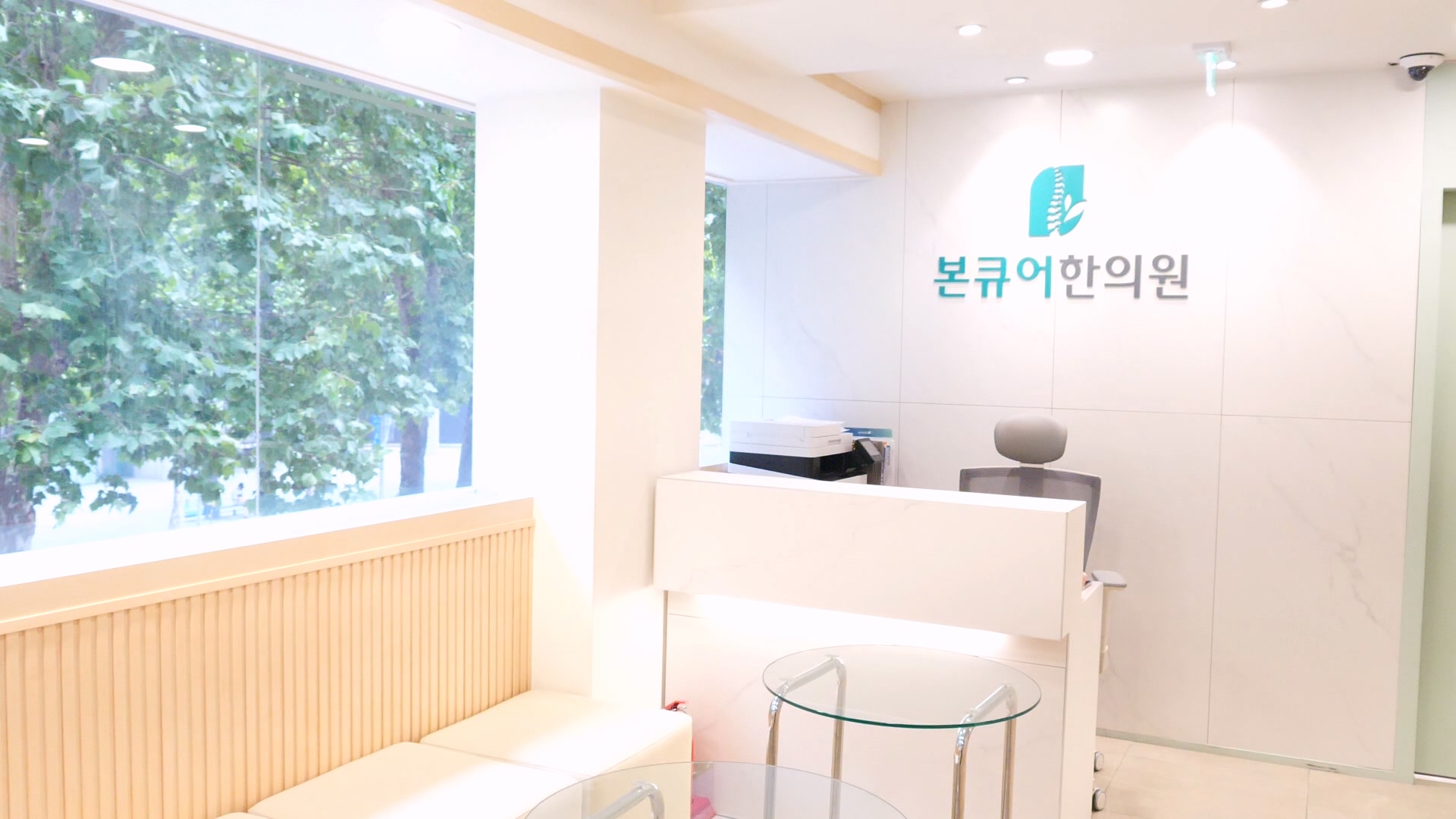
This professional diagnostic session focuses on identifying the root causes of physical dysfunction through precise anatomical analysis and evidence-based Korean medicine. By analyzing advanced imaging results from our partner facilities alongside specialized acupotomy techniques, we aim to provide a roadmap for long-term recovery and neurological balance.
Introduction to Personalized Care with Dr. Song Jung-hyun at BonCure
Personalized care in structural restoration is defined as a diagnostic and therapeutic approach that tailors medical interventions to the specific skeletal and muscular alignment of the individual. At BonCure, we move beyond generic symptom management to address the underlying adhesions and misalignments that disrupt the body's natural harmony. Through this evidence-first framework, each patient receives a comprehensive evaluation designed to restore both physical function and autonomic vitality.
Expertise in Structural Restoration
I am Dr. Song Jung-hyun, a practitioner dedicated to the art and science of acupotomy. At BonCure, my clinical focus rests on the restoration of structural integrity. I believe that a healthy life begins with the proper alignment of the skeletal system. When the spine is correctly positioned, the nervous system functions optimally, allowing the body to heal itself. My background involves extensive research into complex conditions that often baffle conventional medicine. By identifying the root cause of pain through structural analysis—utilizing precise diagnostic data from our collaborating imaging centers—I aim to provide more than just temporary relief. Patients who seek my expertise often struggle with long-term issues like chronic neck pain or autonomic imbalances. My goal is to bridge the gap between traditional Korean medicine and modern evidentiary standards. Through precise diagnostics and a commitment to patient-centered care, I work to ensure every individual receives a roadmap to recovery that respects their unique physiological needs.
Understanding the BonCure Approach: Acupotomy and Structural Recovery
Acupotomy is defined as a modernized acupuncture technique using a specialized, flat-headed needle to perform micro-surgery on internal soft tissue adhesions. This procedure is designed to release fibrotic tissues that have become stuck together due to chronic inflammation, thereby restoring blood flow and nerve conduction. By focusing on these structural barriers, the treatment facilitates the body’s innate ability to regenerate and recover from chronic musculoskeletal and neurological disorders.
The Science of Acupotomy
Acupotomy is a specialized clinical procedure that utilizes a blade-like needle to release internal adhesions within soft tissues. These adhesions often form due to chronic inflammation or injury, leading to restricted movement and persistent pain. By physically breaking down these fibrotic tissues, we can stimulate the body's natural regenerative processes. This approach is fundamental to the philosophy at BonCure, where we prioritize structural recovery over mere symptom management. The procedure focuses on restoring the glide between muscle layers and reducing pressure on peripheral nerves. While the process may cause temporary soreness, it aims for deep-seated changes in tissue health. It is particularly effective for conditions that have not responded to superficial treatments. By addressing the physical barriers to circulation and nerve flow, acupotomy facilitates a return to functional mobility. Each session is performed with meticulous attention to anatomical detail, ensuring safety and precision in every movement during the clinical intervention.
Analyzing Recovery Patterns in Chronic Conditions
Understanding recovery requires an objective look at clinical data and patient progress. In my practice at BonCure, I have documented various cases where structural alignment significantly influenced neurological outcomes. While BonCure focuses on clinical intervention, we collaborate with external partners like Harrison Hospital for necessary X-ray, CT, and MRI screenings to ensure diagnostic accuracy. For example, in a specific case report involving an 18-year history of chronic tinnitus, we observed substantial improvements in subjective discomfort levels. Another clinical observation involved a patient with mid-range idiopathic scoliosis, where X-ray analysis showed measurable changes in spinal curvature following a structured treatment plan. These reports serve as evidence that the body can adapt when structural impediments are removed. However, it is vital to recognize that recovery patterns vary between individuals. Some patients may experience rapid changes, while others with chronic autonomic dysfunction might require 20 sessions or more to achieve stability. My role is to monitor these patterns closely using assessment scales, such as the Beck Anxiety Inventory, to adjust the treatment protocol effectively for every patient.
What to Expect During Your Consultation and Treatment Process
A comprehensive diagnostic evaluation is defined as a multi-layered assessment process that includes physical exams, structural testing, and the review of imaging conducted at specialized centers to create a baseline for treatment. During your initial visit, we prioritize objective data to ensure the subsequent interventions are both safe and targeted. This stage is crucial for establishing the frequency and intensity of the acupotomy sessions required to achieve your health goals.
Comparing BonCure Acupotomy with Conventional Physical Therapy
When deciding on a treatment path, patients often weigh the differences between intensive structural interventions and standard physical therapy. Conventional therapy typically focuses on strengthening exercises and modalities like heat or electrical stimulation to manage muscle strain. Meanwhile, acupotomy is designed to reach deep-seated adhesions directly to address structural restrictions. Acupotomy is an invasive procedure that targets the source of structural restriction directly. This difference in depth and intent means that while physical therapy is often painless, it may require a longer duration for significant results in chronic cases. Conversely, acupotomy is characterized by its direct approach to tissue structure, though it carries risks like minor bleeding or bruising. The following comparison table outlines the distinct characteristics of these two approaches to help you understand which method aligns best with your current health goals and the severity of your structural imbalances.
| Feature | BonCure Acupotomy | Conventional Physical Therapy |
|---|---|---|
| Primary Goal | Structural restoration and adhesion release | Muscle strengthening and pain management |
| Depth of Treatment | Deep tissue and ligamentous intervention | Superficial and muscular level |
| Mechanism | Mechanical release of fibrotic tissue | Exercise and thermal/electrical stimulation |
| Typical Duration | 5 to 20 sessions for chronic cases | Ongoing sessions over several months |
| Recovery Focus | Structural alignment and nerve decompression | Functional movement and flexibility |
A 2026 Clinical Guide to Spine and Joint Rehabilitation: The BonCure Structural Approach
Patient Outcomes and Clinical Evidence at BonCure
Clinical case reports are defined as detailed records of individual patient treatments and outcomes that provide observational evidence for the efficacy of specific medical procedures. At BonCure, these reports help us refine our techniques and provide patients with realistic expectations based on previous clinical successes. While these findings are not universal, they offer valuable insights into the potential for structural restoration to resolve complex, intractable symptoms.
Tinnitus and Hearing Loss Reports
Spinal alignment plays a critical role in the health of the sensory organs, particularly the ears. At BonCure, we have observed that correcting the cervical spine can alleviate pressure on the nerves associated with hearing. In one clinical case report, a patient presenting with Meniere-like symptoms and hearing loss underwent a series of 20 treatments. Objective hearing tests performed post-treatment showed a return to normal hearing thresholds for that specific individual. Additionally, we use a tinnitus evaluation scale where significant improvements in subjective discomfort scores have been observed in individual cases. It is important to note that these outcomes represent specific clinical cases and do not guarantee the same results for every patient. Potential side effects like localized infection, temporary pain, or bruising at the site must be considered. Consistent monitoring and personalized adjustments are essential to managing these intricate conditions safely and effectively.
Frequently Asked Questions
Q. How do I book a consultation with Dr. Song Jung-hyun at BonCure?
You can book a consultation by contacting our office directly at 02-6952-0833 or through our official communication channels. We suggest providing a brief overview of your medical history so that Dr. Song Jung-hyun can review your symptoms before your first visit to ensure an efficient diagnostic session.
Q. Does BonCure perform X-ray or MRI scans on-site?
No, BonCure is a specialized treatment facility. For diagnostic imaging like X-rays or CT scans, we refer patients to our trusted partner, Harrison Hospital. We then conduct a detailed analysis of these external images to design your personalized treatment plan.
Q. Is the acupotomy procedure painful, and what are the risks?
Acupotomy involves the use of a specialized needle to release internal adhesions, which can cause temporary discomfort or soreness. While the technique is safe when performed by an expert, risks include minor bleeding, bruising, or, in rare cases, localized infection. We adhere to strict sterilization protocols to minimize these risks.
Q. How many sessions are typically required for chronic conditions?
The number of sessions varies. While some patients notice immediate changes in mobility, chronic cases involving the autonomic nervous system often require 20 or more sessions to achieve lasting stability. We monitor progress regularly to adjust the plan to your specific recovery path.
Q. What specific conditions does Dr. Song Jung-hyun specialize in?
Dr. Song Jung-hyun specializes in intractable conditions related to structural misalignment, including chronic tinnitus, autonomic nervous system dysfunction, and complex musculoskeletal issues like scoliosis or chronic neck pain caused by tissue adhesions.
Q. Are the results of BonCure treatments scientifically proven?
Dr. Song Jung-hyun has published various case reports documenting objective improvements in spinal curvature and neurological scales. However, as these are individual case reports, results vary significantly and cannot be guaranteed for every patient.
Q. Can I receive treatment on the same day as my consultation?
In many cases, treatment can begin immediately following the diagnostic consultation if a plan is agreed upon. For complex structural issues, we may first require a review of external imaging from Harrison Hospital to ensure the most effective and safe intervention.
Key Takeaways
- Structural Focus: Skeletal alignment is viewed as the foundation of nervous system health and effective chronic pain relief.
- Specialized Acupotomy: Dr. Song Jung-hyun uses a blade-like needle to mechanically release deep-seated tissue adhesions that restrict movement.
- Imaging Partnerships: Diagnostics involve the analysis of whole-spine X-rays and scans obtained through collaborating hospitals like Harrison Hospital.
- Individualized Results: Case reports show potential for improving symptoms like tinnitus and scoliosis, though individual recovery patterns will vary.
- Safety Protocols: Potential side effects such as temporary soreness or bruising are managed through rigorous clinical standards and personalized scheduling.
For a detailed evaluation of your structural health, please reach out to schedule your professional diagnostic session. We are committed to helping you regain mobility and balance.
BonCure Korean Medicine Clinic / Dr. Song Jung-hyun
FAQ
- How do I book a consultation with Dr. Song Jung-hyun at Bonecure?
- You can book a consultation by contacting our office directly through our official communication channels or website. We suggest providing a brief overview of your medical history so that Dr. Song Jung-hyun can review your symptoms before your first visit. This helps ensure that the diagnostic session is efficient and tailored to your specific pain or structural concerns.
- What happens during the first consultation at Bonecure?
- The initial consultation involves a deep dive into your structural health, including a review of whole-spine X-ray images and physical tests. Dr. Song Jung-hyun assesses spinal alignment and identifies areas of nerve compression or tissue adhesion. This objective data forms the foundation of a personalized treatment plan designed to address your unique clinical needs.
- Is the acupotomy procedure painful, and what are the risks?
- Acupotomy involves the use of a specialized needle to release internal adhesions, which can cause temporary discomfort or soreness during and after the procedure. While the technique is generally safe when performed by an expert, risks include minor bleeding, bruising, or localized infection. Dr. Song Jung-hyun adheres to strict safety and sterilization protocols to minimize these potential side effects for every patient.
- How many sessions are typically required for chronic conditions?
- The number of sessions required varies significantly based on the duration and severity of the structural imbalance. While some patients may notice changes after a few visits, chronic cases involving the autonomic nervous system often require 20 or more sessions to achieve stability. We monitor progress through regular evaluations to ensure the treatment plan remains effective for your specific recovery path.
- What specific conditions does Dr. Song Jung-hyun specialize in?
- Dr. Song Jung-hyun focuses on intractable conditions related to spinal misalignment, such as chronic tinnitus, Meniere-like symptoms, and autonomic nervous system dysfunction. He also treats complex musculoskeletal issues like scoliosis and chronic neck pain. The goal is to restore the structural foundation of the body to alleviate these diverse and often interconnected symptoms.
- Are the results of Bonecure treatments scientifically proven?
- Dr. Song Jung-hyun has published various case reports documenting objective improvements in spinal curvature and neurological assessment scales. For example, he has recorded significant improvements in tinnitus scores and hearing thresholds in specific patients. However, because these are individual case reports, results can vary significantly and are not guaranteed for every individual patient who undergoes treatment.
- Can I receive treatment on the same day as my consultation?
- In many instances, it is possible to begin treatment immediately following the diagnostic consultation if both the patient and the doctor agree on the plan. However, for more complex structural or neurological issues, Dr. Song Jung-hyun may recommend a specific schedule to ensure the most effective and safe recovery. We prioritize a thoughtful approach to ensure your body responds well to the intervention.