
Post
A 2026 Clinical Guide to Spine and Joint Rehabilitation: The Bonecure Structural Approach
Hello. I am Song Jeong-hyeon, a Korean medicine doctor who has long specialized in acupotomy and structural recovery. Spine and joint rehabilitation is a clinical process aimed at restoring the natural alignment and functional mobility of the skeletal system to alleviate pain and improve overall physical performance.
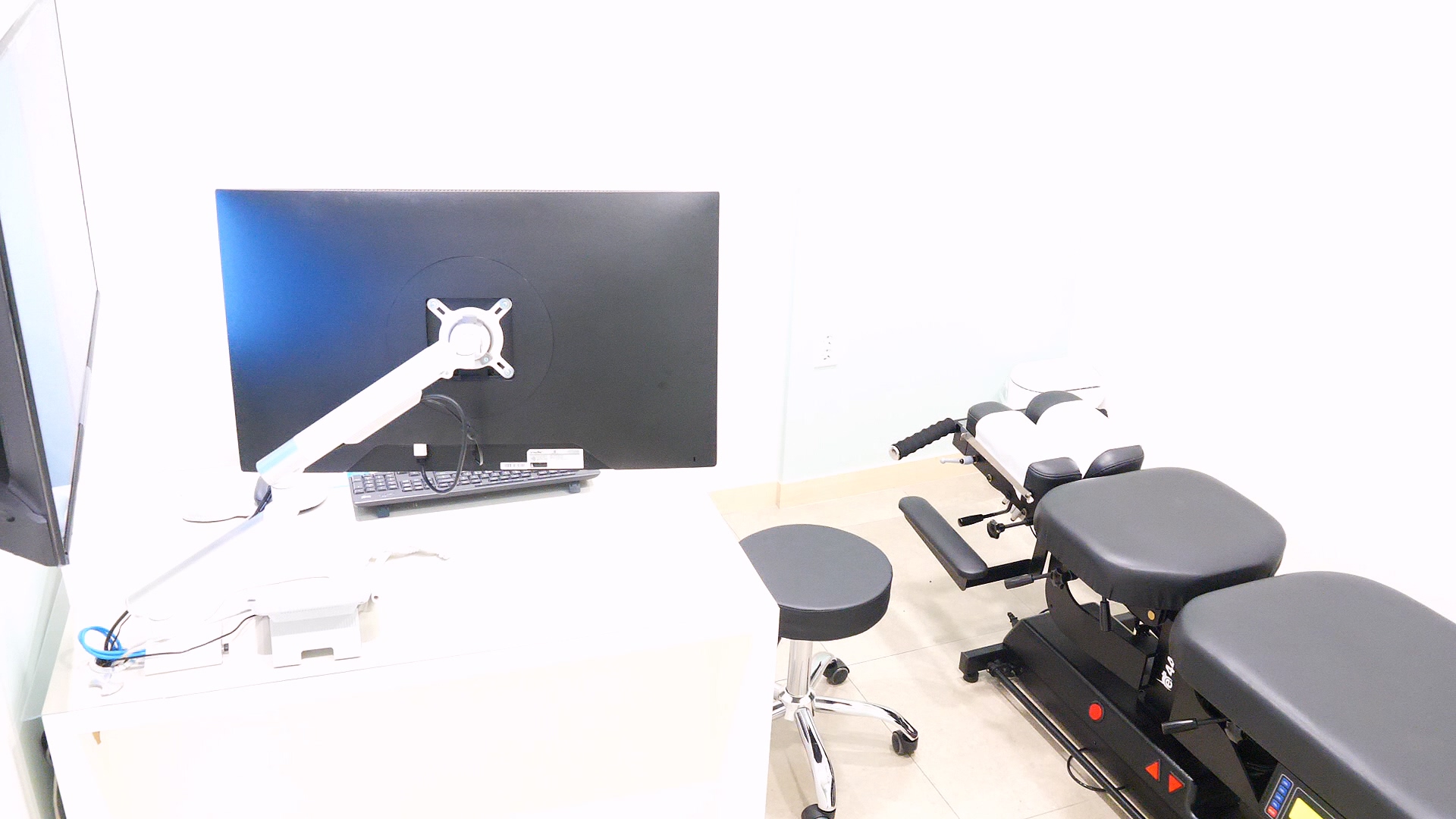
At Bonecure, we believe that when your bones are in their proper place, the rest of your body can function in harmony. This guide explores how structural restoration addresses chronic pain and internal dysfunction through targeted clinical interventions. It is important to note that all treatments are customized to the individual, and results may vary based on the specific condition and health history of the patient.
Understanding Spine and Joint Rehabilitation: Restoring Structural Integrity
Spine and joint rehabilitation is defined as a comprehensive therapeutic approach focused on identifying and correcting structural imbalances that hinder the body's natural movement and neurological health. This process involves more than just temporary pain relief; it seeks to stabilize the musculoskeletal framework to prevent future degenerative changes through precise physical adjustments.
The Fundamentals of Spine and Joint Alignment
The spine acts as the primary support structure for the entire human body, and its alignment is essential for both musculoskeletal health and neurological function. When we speak of spine and joint rehabilitation, we are referring to the systematic process of returning these structures to their optimal physiological positions. At Bonecure, we emphasize that even a minor deviation in the spinal column can create cascading tensions throughout the kinetic chain. Proper alignment ensures that the weight of the body is distributed evenly across the vertebrae and joints, preventing premature wear and tear. This structural foundation is critical because the nervous system relies on an unobstructed pathway to transmit signals from the brain to the peripheral organs. By focusing on the restoration of this central pillar, we aim to address the root causes of physical limitations rather than just masking symptoms. A balanced skeletal frame is not just about posture; it is the fundamental basis for overall physical resilience and daily vitality. You can find more details in A 2026 Clinical Overview of Non-Surgical Spine Treatment and Structural Restoration.
How Structural Imbalance Leads to Chronic Pain and Dysfunction
When the structural integrity of the spine or joints is compromised, the body often compensates by shifting tension to surrounding soft tissues, leading to chronic pain and dysfunction. This imbalance often results in the formation of internal adhesions, where tissues stick together and restrict normal sliding movements. Over time, these adhesions can entrap nerves and blood vessels, resulting in symptoms that extend far beyond the localized area of injury. For instance, a patient might experience numbness in the limbs or chronic headaches originating from a misaligned cervical spine. In clinical practice, we observe that these structural issues do not resolve on their own and typically require external intervention to release the physical pressure. By analyzing the entire kinetic chain, we can identify exactly where the structural failure is occurring. Addressing these imbalances is vital because long-term misalignment can lead to permanent degenerative conditions that affect overall mobility. Understanding the relationship between structure and function is the first step toward achieving a state of lasting physical comfort. Chronic cases typically require multiple intervention sessions to achieve significant and stable functional results.
The Role of Minimally Invasive Procedures in Rehabilitation
Modern rehabilitation strategies have shifted toward minimally invasive procedures that offer targeted structural intervention without the need for extensive surgical measures. These techniques focus on releasing the physical barriers to movement, such as fibrotic tissue and calcified adhesions, which often prevent joints from returning to their proper alignment. By utilizing specialized tools, clinicians can penetrate deep tissue layers to stimulate the body's natural healing response. This approach is particularly effective for patients who have not found relief through conventional exercise-based physical therapy alone. At Bonecure, we integrate these precise methods to facilitate a faster transition from the acute phase of pain to the active phase of rehabilitation. Minimally invasive care allows for a reduction in recovery time while maintaining the focus on long-term structural stability. It is important to note that while these procedures are effective for many, they are most successful when combined with a structured rehabilitation plan. These interventions provide the necessary physical reset required for the body to begin rebuilding its strength and functional capacity naturally, though individual outcomes will always depend on personal physiology.
Innovative Approaches to Adhesion Release and Tissue Recovery
Adhesion release is the clinical process of physically separating fused or scarred tissues to restore the sliding mechanism between muscles, tendons, and ligaments. This recovery phase is essential for regaining the range of motion necessary for daily activities and specialized athletic performance, ensuring long-term musculoskeletal durability.
Specialized Blade-Type Acupuncture: Relieving Adhesions Directly
Specialized blade-type acupuncture, often referred to as acupotomy, is a refined clinical technique designed to directly address and release internal adhesions within the musculoskeletal system. Unlike traditional acupuncture, which focuses on energetic flow, this method uses a microscopic blade to physically detach fibrotic tissues that restrict joint movement. This direct intervention is crucial for patients with chronic conditions where layers of tissue have become stuck together due to long-term inflammation or previous trauma. By relieving this internal tension, we can significantly reduce the pressure on neighboring nerves and blood vessels. In my clinical experience, this method often provides a unique sensation of immediate lightness as the physical obstruction is removed. However, patients should be aware that localized soreness, minor bruising, or temporary bleeding may occur for a few days following the procedure. In very rare cases, infection or nerve irritation could occur, so post-treatment care is vital. This technique is a cornerstone of the rehabilitation process at Bonecure, as it clears the physical path for structural realignment. For further reading, see Acupuncture for Chronic Pain: An Evidence-First Guide to Structural Recovery.
Promoting Natural Regeneration through Structural Realignment
Structural realignment is the practice of repositioning the skeletal frame to create an environment where the body's natural regenerative processes can flourish. When joints and vertebrae are properly aligned, blood flow to the affected area increases, providing the nutrients necessary for tissue repair. This process is often supported by manual therapies that gently guide the bones back into their physiological tracks. At Bonecure, we prioritize this alignment because it reduces the mechanical stress that often causes chronic inflammation and tissue degradation. By normalizing the physical environment, we allow the body to shift from a state of constant defense to a state of active healing. This regenerative phase is essential for long-term recovery, as it ensures that the repaired tissues are strong and flexible. Patients often report improved energy levels and better overall function as their structural harmony is restored. It is important to remember that regeneration is a biological process that takes time, and consistent alignment through multiple sessions is required to maintain these gains. Achieving structural balance is the most effective way to support the body's innate maintenance systems.
Comparison: Conventional Physical Therapy vs. Integrative Spine Care
| Feature | Conventional Physical Therapy | Integrative Spine Care (Bonecure) |
|---|---|---|
| Primary Focus | Muscle strengthening and stretching | Structural restoration and adhesion release |
| Method | Exercise-based programs | Specialized acupotomy and alignment |
| Target | Soft tissue and functional movement | Deep fibrotic tissues and bone alignment |
| Intervention | External and non-invasive | Minimally invasive structural intervention |
| Objective | Pain management and mobility | Root cause resolution and system balance |
Case-Based Insights into Spinal Curvature and Functional Recovery
Clinical case analysis involves the objective review of patient progress through standardized metrics and diagnostic imaging to confirm structural improvements. These insights allow us to refine treatment protocols and provide evidence-based care for complex spinal conditions, ensuring each patient receives a protocol tailored to their needs.
Analysis of Spinal Curvature Improvements in Clinical Settings
In our clinical practice, we utilize objective imaging to track the changes in spinal curvature throughout the rehabilitation process. We have observed cases where individuals with significant spinal deviations show measurable improvements in their postural alignment after a series of targeted interventions. For example, patients presenting with chronic spinal discomfort have shown visible changes in their cervical and thoracic curvature through consistent care and adhesion release. These improvements are not merely cosmetic; they reflect a reduction in the internal pressure that previously restricted the patient's daily activities. By measuring angles and distances on X-ray images, we can quantitatively demonstrate the progress being made toward a neutral alignment. It is common to see a reduction in the forward head posture that many modern office workers develop over time. At Bonecure, we emphasize that while individual results vary, the trend toward improved alignment is a key indicator of long-term recovery success. Maintaining these improvements requires ongoing attention to postural habits and regular check-ups. This objective analysis ensures that our clinical approach remains grounded in verifiable structural data and positive patient outcomes, though no specific result is guaranteed.
Individual Case Study: Functional Restoration in Chronic Back Pain Patients
Functional restoration is best illustrated through the experiences of individual patients who have successfully navigated the rehabilitation process. In one case, a patient experiencing chronic back pain for over a decade sought treatment to avoid invasive surgery. This individual underwent a comprehensive structural recovery program focusing on deep tissue release. After a series of 20 sessions focused on adhesion release and spinal realignment, the patient reported a substantial improvement in their quality of life and a significant reduction in subjective pain levels. This case demonstrates the potential for recovery even in long-standing conditions when the root structural causes are addressed. It is important to note that this patient also committed to specific corrective exercises to maintain their alignment. While some patients report immediate changes after just one session, chronic cases typically require a dedicated multi-week protocol to achieve long-term stability. These case studies serve as important reminders that structural health is a dynamic process requiring patient participation. Detailed insights into similar cases can be found in A 2026 Clinical Guide to Chuna Manual Therapy for Neck Pain: Restoring Structural Balance at Bonecure.
Scientific Evaluation: Objective Metrics and Whole Spine X-ray Assessments
Scientific evaluation in spine rehabilitation relies on the use of Whole Spine X-ray assessments to provide a comprehensive view of the body's skeletal alignment. This diagnostic tool allows us to see how the alignment of the neck affects the lower back and pelvis, creating a complete structural map. At Bonecure, we use these metrics to develop personalized treatment plans that target specific areas of dysfunction. By comparing pre-treatment and post-treatment images, we can scientifically validate the effectiveness of our structural interventions. We also track subjective improvements using validated clinical scales for anxiety and depression, as chronic pain often impacts mental well-being. The data gathered from these assessments helps us to continuously improve our protocols and ensure that each patient receives the most precise care possible. It is our goal to provide evidence-based treatments that offer clear, measurable results for every individual. This rigorous approach to evaluation ensures that we are not just treating symptoms, but are actively working to restore the fundamental structural integrity of the human body. Objective data provides the clarity needed for both the clinician and the patient to move forward with confidence throughout the healing journey.
Safety Protocols and Long-Term Rehabilitation Considerations
Safety protocols are the established clinical guidelines and monitoring procedures used to ensure that all rehabilitation interventions are performed with minimal risk to the patient. Long-term considerations involve the planning and lifestyle adjustments required to sustain the benefits of structural recovery over many years.
Understanding Potential Side Effects and Recovery Timelines
While spine and joint rehabilitation at Bonecure is designed to be as safe as possible, it is essential for patients to understand the potential side effects associated with clinical procedures. The most common experiences include temporary soreness at the treatment site, minor localized bruising, and occasionally a light feeling of fatigue as the body adjusts to its new alignment. These symptoms are generally mild and typically resolve within 48 to 72 hours. In rare cases, patients may experience slight bleeding or temporary numbness, which should be reported to the clinical team immediately. The timeline for recovery is highly individualized; some patients notice immediate relief, while others with chronic conditions may require 10 to 20 sessions to see stable changes. It is important to remain patient during this process, as deep tissue healing and structural stabilization occur in stages. We conduct a thorough assessment before every session to ensure that the treatment plan remains appropriate for the patient's current state. Maintaining open communication with your provider is key to managing expectations and ensuring a smooth recovery journey. Safety and efficacy are always our top priorities.
Essential Post-Treatment Care for Spine and Joint Stability
Post-treatment care is a critical component of the rehabilitation process, as it helps to reinforce the structural changes made during clinical sessions. After an intervention such as acupotomy or manual alignment, we recommend that patients engage in light movement to encourage healthy blood circulation. However, strenuous exercise and heavy lifting should be avoided for at least 24 hours to allow the tissues to stabilize. Applying heat or ice as directed can also help manage any temporary discomfort and support the healing process. Staying hydrated is essential, as water is necessary for tissue elasticity and the removal of metabolic waste. We provide each patient with a specific set of instructions tailored to their unique condition and treatment stage. Failure to follow these guidelines can lead to a slower recovery or a relapse into previous patterns of misalignment. Consistent adherence to post-care protocols ensures that the structural improvements achieved in the clinic translate into long-term functional stability. By taking an active role in their own care, patients can significantly enhance the effectiveness of their rehabilitation program. Recovery is a collaborative effort between the clinician and the patient.
Lifestyle Adjustments to Maintain Structural Harmony
Maintaining structural harmony requires a commitment to long-term lifestyle adjustments that support the health of the spine and joints. Ergonomic improvements in the workplace are one of the most important factors for preventing the recurrence of misalignment. This includes adjusting chair height, monitor positions, and taking regular breaks to stretch and move. Additionally, practicing specific corrective exercises that strengthen the core and supporting muscles can help to hold the spine in its proper position. At Bonecure, we educate our patients on the importance of mindful movement and postural awareness in their daily lives. Small changes, such as the way you sit or carry a bag, can have a significant impact on your structural health over time. Consistency is key, as even the most successful clinical intervention can be undermined by poor habits. We also recommend periodic check-ups to ensure that the body remains in balance and to address any minor issues before they become chronic problems. By prioritizing structural integrity in all aspects of life, you can enjoy a higher level of physical freedom and comfort for years to come. A proactive approach to health is the best defense against chronic pain.
Key Takeaways
- Structural Focus: Spine and joint rehabilitation focuses on restoring correct anatomical alignment to resolve the root causes of chronic pain and functional limitation.
- Adhesion Release: Specialized tools like blade-type acupuncture (acupotomy) are used to physically release fibrotic tissues that restrict movement and entrap nerves.
- Objective Monitoring: Success is measured through objective metrics, including Whole Spine X-ray analysis and validated pain and functional scales.
- Safety & Patience: While immediate changes can occur, chronic conditions often require multiple sessions, and mild, temporary side effects are a normal part of the tissue recovery process.
- Lifestyle Integration: Sustaining recovery requires a combination of clinical care, proper post-treatment protocols, and long-term ergonomic and postural adjustments.
Frequently Asked Questions
Q. What is the primary goal of spine and joint rehabilitation at Bonecure?
The primary goal is to restore the natural structural alignment of the body and release internal adhesions, allowing the nervous system and musculoskeletal structure to function without interference. By focusing on root causes rather than temporary relief, we aim for long-term functional recovery and improved quality of life. This process involves a combination of specialized clinical interventions and personalized rehabilitation planning.
Q. How long does a typical rehabilitation process take for chronic spine issues?
The duration varies significantly depending on the individual's condition, severity, and how long the issue has persisted. While some patients may notice immediate changes after a single session, chronic or severe cases typically require multiple sessions over several weeks or months to achieve stable structural improvement. We provide a projected timeline after an initial comprehensive assessment and X-ray review.
Q. Are there any side effects associated with specialized spine and joint procedures?
As with any clinical procedure, minor side effects such as temporary soreness, localized bruising, or slight bleeding at the treatment site may occur. These symptoms are generally mild and resolve within a few days as the body adapts to the structural changes. We prioritize safety and perform a detailed individual assessment before every session to minimize any potential risks.
Q. How does specialized acupuncture differ from traditional physical therapy for joints?
While traditional physical therapy often focuses on strengthening muscles through exercise, our specialized blade-type acupuncture directly addresses the physical adhesions and fibrotic tissues that restrict joint movement. This provides a more direct structural intervention to facilitate healing in cases where exercise alone is insufficient. By clearing these physical blocks, we make subsequent physical therapy more effective.
Q. Is spine and joint rehabilitation effective for elderly patients with degenerative conditions?
Yes, rehabilitation can be highly beneficial for elderly patients by improving mobility, reducing pain, and slowing the progression of degenerative changes. However, treatment plans are carefully customized to account for factors like bone density, medication use, and overall health status to ensure the safest possible outcome. We focus on gentle restoration rather than aggressive manipulation for these cases.
Q. What objective measures are used to track progress during rehabilitation?
We utilize objective metrics such as Whole Spine X-ray analysis to monitor alignment changes and validated clinical scales, such as pain scores or functional assessment tools, to track improvements. By comparing data from the start of treatment to later stages, we can scientifically verify the progress and adjust the protocol as needed. This ensures an evidence-based approach to your recovery.
Q. Do I need to rest completely after a spine and joint procedure?
While intense exercise and heavy lifting should be avoided for 24 to 48 hours following a procedure, gentle movement is often encouraged to promote circulation and prevent stiffness. We provide specific post-treatment instructions tailored to each patient's specific rehabilitation stage and the type of procedure performed. Following these guidelines is essential for ensuring that the structural gains remain stable.
Should you have further questions regarding your specific structural health needs, please feel free to reach out for a consultation. When your bones smile, life smiles.
Bonecure / Song Jeong-hyeon, KMD
FAQ
- What is the primary goal of spine and joint rehabilitation at Bonecure?
- The primary goal is to restore the natural structural alignment of the body and release internal adhesions, allowing the nervous system and musculoskeletal structure to function without interference. By focusing on root causes rather than temporary relief, we aim for long-term functional recovery and improved quality of life. This process involves a combination of specialized clinical interventions and personalized rehabilitation planning.
- How long does a typical rehabilitation process take for chronic spine issues?
- The duration varies significantly depending on the individual's condition, severity, and how long the issue has persisted. While some patients may notice immediate changes after a single session, chronic or severe cases typically require multiple sessions over several weeks or months to achieve stable structural improvement. We provide a projected timeline after an initial comprehensive assessment and X-ray review.
- Are there any side effects associated with specialized spine and joint procedures?
- As with any clinical procedure, minor side effects such as temporary soreness, localized bruising, or slight bleeding at the treatment site may occur. These symptoms are generally mild and resolve within a few days as the body adapts to the structural changes. We prioritize safety and perform a detailed individual assessment before every session to minimize any potential risks.
- How does specialized acupuncture differ from traditional physical therapy for joints?
- While traditional physical therapy often focuses on strengthening muscles through exercise, our specialized blade-type acupuncture directly addresses the physical adhesions and fibrotic tissues that restrict joint movement. This provides a more direct structural intervention to facilitate healing in cases where exercise alone is insufficient. By clearing these physical blocks, we make subsequent physical therapy more effective.
- Is spine and joint rehabilitation effective for elderly patients with degenerative conditions?
- Yes, rehabilitation can be highly beneficial for elderly patients by improving mobility, reducing pain, and slowing the progression of degenerative changes. However, treatment plans are carefully customized to account for factors like bone density, medication use, and overall health status to ensure the safest possible outcome. We focus on gentle restoration rather than aggressive manipulation for these cases.
- What objective measures are used to track progress during rehabilitation?
- We utilize objective metrics such as Whole Spine X-ray analysis to monitor alignment changes and validated clinical scales, such as pain scores or functional assessment tools, to track improvements. By comparing data from the start of treatment to later stages, we can scientifically verify the progress and adjust the protocol as needed. This ensures an evidence-based approach to your recovery.
- Do I need to rest completely after a spine and joint procedure?
- While intense exercise and heavy lifting should be avoided for 24 to 48 hours following a procedure, gentle movement is often encouraged to promote circulation and prevent stiffness. We provide specific post-treatment instructions tailored to each patient's specific rehabilitation stage and the type of procedure performed. Following these guidelines is essential for ensuring that the structural gains remain stable.