
Post
A 2026 Clinical Overview of Cheongdam-dong Hanuiwon Services: Structural Restoration at Bonecure
Hello. I am Dr. Song Jung-hyun, a Korean medicine practitioner who has focused primarily on acupotomy and structural restoration for many years. When navigating chronic discomfort, finding the right care that targets the root cause rather than temporary relief is essential. Cheongdam-dong Hanuiwon services at Bonecure combine modernized traditional Korean medicine with objective structural analysis to help you regain your natural, pain-free mobility.
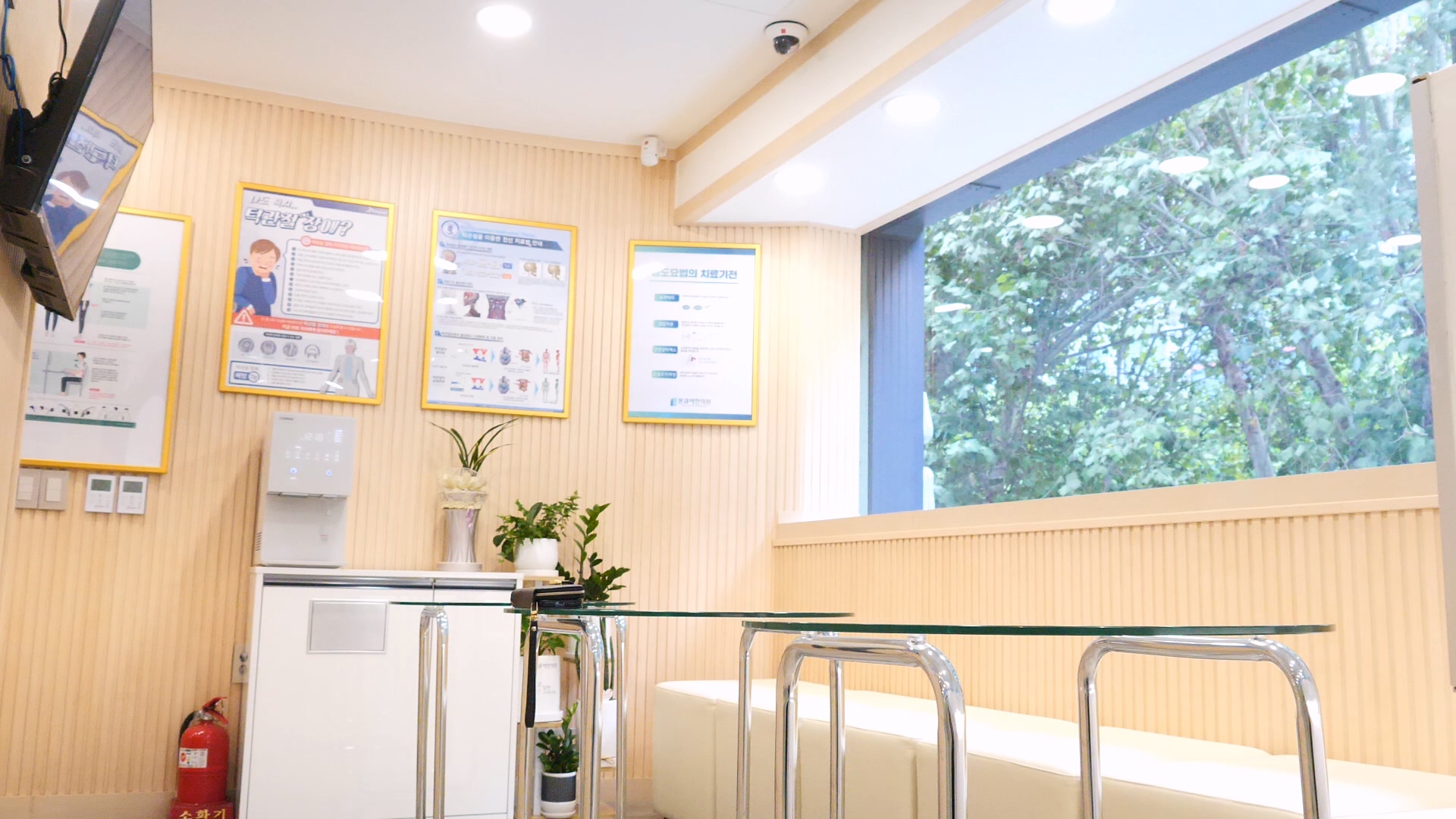
1. Comprehensive Overview of Bonecure Clinic in Cheongdam-dong
Integrated medical care at Bonecure is defined as a comprehensive therapeutic framework that unifies traditional Korean medicine principles with structural biomechanics to address chronic pain and autonomic dysfunctions. Instead of merely managing isolated symptoms, this methodology evaluates the entire musculoskeletal system to identify underlying structural imbalances. By focusing on the intrinsic relationship between structural alignment and physiological health, the clinic provides a systematic path toward lasting wellness. Every treatment protocol is customized based on objective diagnostic data to ensure precise care.
The Philosophy of Structural Balance and Recovery
The core philosophy of Bonecure revolves around the principle that physical function is entirely dependent on proper structural form. When the skeletal framework, particularly the spine, becomes misaligned, it exerts continuous stress on surrounding soft tissues, nerves, and blood vessels. This persistent stress often leads to chronic pain, restricted mobility, and systemic imbalances. Our clinical approach focuses on correcting these structural distortions to allow the body's natural healing mechanisms to function optimally. By restoring the precise alignment of the spine and joints, we help individuals transition from a state of chronic restriction to free, comfortable movement. The ultimate goal is to facilitate long-term vitality so that patients can return to their daily activities without relying on temporary fixes. This structural approach embodies our guiding belief: when your bones smile, life smiles.
Modern Interpretation of Traditional Korean Medicine
Modernized traditional Korean medicine at Bonecure represents a sophisticated evolution of ancient healing arts adapted for contemporary clinical challenges. We facilitate precise structural evaluations by collaborating with partner medical institutions for whole-spine X-ray imaging, allowing us to visualize structural deviations before initiating any therapeutic procedure. This integration eliminates ambiguity and allows for the objective tracking of structural changes throughout the treatment cycle. Traditional modalities such as acupuncture, herbal decoctions, and manual manipulation are refined through a biomechanical lens to target specific anatomical lesions. This evidence-first framework ensures that every intervention is verifiable, predictable, and tailored to the demands of modern patients. Through this synthesis of tradition and technology, we provide high-caliber care that meets rigorous clinical standards.
2. Core Specialties: Acu-puncture and Structural Alignment
Acupotomy at Bonecure is a specialized micro-surgical acupuncture technique that utilizes a unique blade-shaped needle to release rigid soft tissue adhesions and stimulate natural cellular regeneration. When muscles and ligaments undergo chronic strain or trauma, they frequently form thick, fibrotic scar tissue that entraps nearby nerves and restricts joint articulation. By precisely targetting these areas of chronic tension, this procedure cuts through the adhesions to restore healthy blood flow and relieve localized pressure. This microscopic release helps jumpstart the body's intrinsic tissue repair mechanisms. While the procedure involves localized discomfort during the release of tough fibers, it provides a direct pathway to restoring structural mobility.
Acu-puncture for Adhesion Release and Tissue Regeneration
The clinical application of acupotomy at Bonecure focuses on breaking down stubborn pathological adhesions that develop in deep myofascial layers. Chronic inflammatory conditions often cause muscles, tendons, and nerves to bind together, leading to persistent stiffness and localized ischemia. The specialized blade-shaped needle allows for the precise, mechanical separation of these bound tissues without requiring large surgical incisions. This mechanical release immediately decreases intra-tissue pressure and enhances the delivery of vital nutrients and oxygen to the damaged region. Over subsequent weeks, the treated structures undergo a natural remodeling process, replacing rigid scar tissue with flexible, functional fibers. Although individual recovery rates can vary, this intervention serves as a powerful catalyst for long-term tissue regeneration. It is particularly effective for individuals who have experienced minimal relief from conventional superficial therapies.
Spine and Joint Realignment through Specialized Chuna Therapy
Specialized Chuna therapy at Bonecure is an advanced manual manipulation technique designed to correct complex skeletal misalignments and restore optimal joint mechanics. This hands-on approach involves applying controlled, specific forces to the vertebrae, pelvis, and peripheral joints to guide them back into their proper anatomical positions. Unlike generalized massage or superficial stretching, this method targets deep structural restrictions that alter the body's center of gravity. Proper alignment is crucial because even a minor pelvic tilt or cervical subluxation can create a cascade of compensatory muscle spasms throughout the body. By neutralizing these structural deviations, Chuna therapy alleviates abnormal mechanical wear and tear on the intervertebral discs. This treatment is performed in close conjunction with soft tissue release to ensure that the surrounding musculature can support the newly aligned skeletal framework.
Scientific Evidence and Objective Progress Tracking
At Bonecure, we prioritize objective data over subjective impressions to ensure that every patient's recovery progress is accurately documented and clinically verified. Before any structural intervention begins, we conduct a comprehensive physical assessment and utilize whole-spine X-ray imaging, coordinated through our partner hospital, to establish a precise anatomical baseline. This enables us to measure exact angles of spinal curvature, pelvic tilt, and joint spacing rather than guessing based on visual observation alone. Progress is systematically re-evaluated at scheduled intervals using follow-up imaging and validated clinical outcome measures, including standardized pain and functional scales. By comparing pre- and post-treatment metrics, we provide clear, visual evidence of structural improvement and functional recovery. This meticulous, data-driven methodology ensures that our treatment protocols remain highly effective, transparent, and completely aligned with the unique physiological changes of each individual patient.
3. Comparative Analysis: Traditional vs. Bonecure Approaches
Structural root cause treatment at Bonecure is an evidence-based clinical philosophy that prioritizes identifying and correcting anatomical misalignments over the temporary suppression of localized painful symptoms. While conventional symptom management often relies on pharmaceutical interventions to dull pain receptors, it frequently leaves the underlying mechanical defect unaddressed. This omission can allow the structural deterioration to progress quietly over time, eventually leading to chronic relapses. By contrast, our approach directly addresses the mechanical stress points, such as joint subluxations and myofascial adhesions, that trigger the painful signals in the first place. This comprehensive strategy ensures that once structural equilibrium is achieved, functional recovery follows naturally and sustains itself long into the future.
Traditional Symptom Relief vs. Structural Root Cause Treatment
Many standard orthopedic interventions focus heavily on managing acute discomfort through anti-inflammatory medications, localized steroid injections, or passive modalities. While these methods can provide valuable short-term relief, they do not correct the biomechanical imbalances, such as a misaligned pelvis or a flattened cervical curve, that caused the tissue strain. Consequently, patients often experience a return of symptoms once the medication wears off. At Bonecure, our therapeutic focus is entirely different; we look at the body as an interconnected tensegrity structure. If a patient presents with chronic knee discomfort, we evaluate the alignment of the lumbar spine and pelvis, as a structural tilt there can drastically alter lower limb mechanics. By resolving the primary structural distortion, we eliminate the abnormal mechanical stress on peripheral joints, offering a more sustainable solution. This methodology shifts the paradigm from continuous disease management to genuine structural rehabilitation.
Comparison Table: Bonecure Approach vs. General Orthopedic Care
To better understand the differences between these methodologies, the following table provides a neutral comparison of their core operational features, clinical objectives, and diagnostic focus:
| Feature / Dimension | General Orthopedic Care (Symptom-focused) | Bonecure Structural Approach |
|---|---|---|
| Primary Objective | Immediate reduction of localized pain and acute inflammation. | Correction of structural alignment and root mechanical causes. |
| Diagnostic Focus | Localized imaging (e.g., knee or lumbar spine only) to find lesions. | Referral-based whole-spine X-ray and full-body manual alignment analysis. |
| Core Modalities | Pharmacotherapy, corticosteroid injections, and standard physical therapy. | Advanced acupotomy, specialized Chuna therapy, and structural alignment. |
| Treatment Focus | Management of isolated symptoms and specific regional complaints. | Holistic restoration of the entire skeletal and myofascial framework. |
| Long-term Goal | Temporary symptom suppression and pain management. | Sustained structural alignment, enhanced mobility, and vital function. |
Why Cheongdam-dong Residents Choose Specialized Structural Care
Residents of Cheongdam-dong increasingly seek out specialized structural care because they demand highly precise, personalized, and non-surgical solutions for chronic musculoskeletal issues. The modern lifestyle, characterized by prolonged sitting and high stress, frequently accelerates spinal degeneration and postural decline. Individuals in this community value our sophisticated diagnostic approach, which replaces generalized therapeutic guesswork with exact, evidence-based data tracking and imaging through our partner institutions. Furthermore, the convenience of receiving integrated care that addresses both deep myofascial adhesions and skeletal misalignments within a single clinic is highly appealing. Our commitment to avoiding long-term pharmaceutical dependency while achieving measurable, visible improvements resonates deeply with discerning patients. They recognize that investing in structural correction is the key to maintaining long-term mobility and an active, high-quality lifestyle.
4. Addressing Chronic Conditions and Autonomic Balance
Cervical spine correction at Bonecure is a precise therapeutic intervention aimed at restoring the natural lordotic curvature of the neck to alleviate structural pressure on nerve pathways and the autonomic nervous system. The cervical region houses critical neurovascular structures, including the vertebral arteries and the vagus nerve, which regulate vital systemic functions. When the upper vertebrae become misaligned due to poor posture or trauma, they can cause mechanical compression, leading to complex symptoms like dizziness, tension headaches, and intractable tinnitus. By carefully realigning these cervical segments, we remove the mechanical interference affecting these neurological pathways. This structural decompression allows for the normal transmission of nerve signals and proper blood flow, facilitating the resolution of chronic, non-musculoskeletal issues that often baffle conventional care.
Treating Intractable Tinnitus and Dizziness through Cervical Correction
Chronic, non-musculoskeletal conditions such as tinnitus and vertigo are frequently linked to deep structural abnormalities within the upper cervical spine. When the first two cervical vertebrae (the atlas and axis) are rotated or misaligned, they can cause chronic tension in the suboccipital muscles, compromising the local microcirculation that supplies the inner ear. This mechanical disturbance can irritate the vestibulocochlear nerve, leading to persistent ringing sounds or an unsettling sensation of spinning. In my clinical practice, I have documented cases where targeted cervical spine correction and suboccipital acupotomy successfully relieved these distressing symptoms by restoring proper blood flow and nerve conduction. Clinical observations suggest that systematic structural alignment can lead to a significant reduction in symptom intensity for those suffering from chronic auditory discomfort. While these results are specific to individual cases and outcomes vary based on chronicity, they highlight the profound impact that spinal alignment has on cranial nerve health. For further insights on how structural alignment influences broader well-being, you can read about Modernized Traditional Korean Medicine: A Clinical Guide to Structural Restoration at Bonecure.
Restoring the Autonomic Nervous System for Long-term Vitality
The autonomic nervous system, which governs involuntary functions like digestion, heart rate, and stress responses, is intimately connected to the alignment of the spinal column. The sympathetic nerve chain runs directly along the anterior aspect of the thoracic spine, making it highly vulnerable to structural distortions such as hyperkyphosis or scoliosis. When the spine is out of alignment, the constant mechanical pull on these nerve pathways can trap the body in a state of perpetual sympathetic dominance, commonly known as the 'fight or flight' response. This chronic state often manifests as systemic fatigue, digestive disorders, insomnia, and heightened anxiety. Through specialized Chuna manipulation and targeted soft-tissue release, Bonecure works to decompress these affected spinal segments. By neutralizing these mechanical irritants, we help restore the essential balance between the sympathetic and parasympathetic nervous systems, paving the way for long-term physiological vitality. To explore more about managing systemic conditions through structural care, you may review Eastern Medicine for Chronic Fatigue: Restoring Structural and Autonomic Balance in 2026.
Managing Complex Pain Syndromes in a Modern Clinical Setting
Managing complex, multi-segmental pain syndromes requires a highly sophisticated clinical environment that seamlessly bridges traditional medical insight with modern precision. At Bonecure, we understand that chronic pain conditions, such as fibromyalgia or severe post-traumatic discomfort, are rarely confined to a single isolated joint. These syndromes typically involve widespread myofascial adaptations and extensive structural compensation across the entire body. In our clinic, Dr. Song Jung-hyun personally performs detailed 1:1 biomechanical assessments, manually evaluating each patient’s posture and movement to map out these complex webs of structural compensation accurately. We combine precise acupotomy to release deep, painful fascial knots with gentle, customized spinal adjustments to gradually realign the structural framework. By providing care in a calm, contemporary, and clinically rigorous environment, we ensure that patients feel supported and secure throughout their entire recovery journey.
Key Takeaways
- Root Cause Focus: Bonecure prioritizes treating the fundamental structural causes of chronic pain rather than merely masking localized symptoms.
- Advanced Modalities: The clinic combines precise acupotomy for deep myofascial adhesion release with specialized Chuna therapy for spinal realignment.
- Objective Tracking: Every patient's treatment progress is objectively monitored and verified using referral-based whole-spine X-ray imaging and clinical scales.
- Systemic Wellness: Correcting spinal alignment, especially in the cervical region, can help alleviate autonomic nervous system imbalances, dizziness, and chronic tinnitus.
- Personalized Care: Dr. Song Jung-hyun provides dedicated 1:1 manual assessments to ensure every treatment is tailored to the individual's unique structural needs.
Frequently Asked Questions
Q. What is the primary focus of Bonecure in Cheongdam-dong?
Integrated medical care at Bonecure focuses on restoring the fundamental structure of the human body, particularly the spine and joints, to ensure that complete functional recovery follows proper alignment. We believe that mechanical imbalances are the root cause of most chronic pain and physiological dysfunctions. Our clinical approach is designed to correct these structural distortions using advanced Korean medicine modalities and objective imaging via our partner hospital. This philosophy is reflected in our guiding motto: when your bones smile, life smiles.
Q. How does acu-puncture at Bonecure differ from standard acupuncture?
Our specialized acupotomy uses a unique, blade-shaped needle specifically engineered to release dense, fibrotic adhesions in chronically stiffened musculoskeletal tissues. While standard acupuncture focuses on superficial stimulation and regulating the body's energy pathways, acupotomy performs a precise mechanical separation of scar tissue. This deep release helps restore restricted mobility, relieves nerve entrapment, and promotes natural tissue regeneration. Because it directly addresses chronic physical lesions, it provides a more profound structural change, though individual experiences may vary.
Q. Are there any side effects associated with acu-puncture treatments?
Like any micro-surgical intervention, acupotomy carries potential side effects that patients should be aware of prior to treatment. Common side effects may include temporary soreness or mild pain at the treatment site, minor localized bleeding, or bruising, which generally resolve within a few days. While exceptionally rare under our strict sterile protocols, localized infections are a possibility. Furthermore, long-standing chronic conditions or severe structural degenerations typically require multiple therapeutic sessions to achieve significant, lasting improvement.
Q. Can structural correction help with non-musculoskeletal issues like tinnitus?
Yes, targeted structural correction, particularly in the upper cervical spine, can be highly effective in addressing non-musculoskeletal symptoms like tinnitus and dizziness. Misaligned cervical vertebrae can place mechanical pressure on local blood vessels and cranial nerves, disrupting microcirculation to the inner ear and causing abnormal auditory perceptions. By realigning these segments, we remove the mechanical interference, which has helped resolve these complex symptoms in documented clinical cases. However, because every anatomical structure is unique, these successful outcomes are specific to those individual cases and cannot be universally guaranteed.
Q. What should I expect during my first visit to the clinic?
During your initial consultation, you will undergo a comprehensive structural and biomechanical analysis personally conducted by Dr. Song Jung-hyun. This diagnostic process includes coordinating a whole-spine X-ray through our partner medical facility to provide an exact, visual map of your current skeletal framework. Dr. Song will then carefully evaluate these objective findings and your medical history to identify the root causes of your discomfort. Based on this thorough assessment, we will design a highly personalized treatment plan tailored to your specific physical condition.
Q. Is the treatment painful, and is there significant downtime?
The mechanical release of deep, hardened tissue adhesions during an acupotomy procedure can cause temporary discomfort or a dull aching sensation. However, many patients report an immediate, noticeable improvement in joint mobility and an overall reduction in chronic stiffness right after the session. Most patients can comfortably return to their daily routines shortly after care, depending on individual recovery rates and the specific nature of the procedure. The exact speed of recovery and immediate comfort levels will vary depending on the severity and duration of the underlying condition.
Q. How many sessions are typically required for chronic back pain?
The total number of treatment sessions required for chronic back pain depends heavily on the severity, complexity, and chronicity of your structural imbalances. Acute muscle strains may resolve relatively quickly, whereas long-standing spinal misalignments or severe degenerative disc issues require a more extended course of care. Following your initial physical examination and X-ray analysis, we will provide a projected clinical timeline tailored to your body's specific needs. Our focus is on achieving structural stability to prevent future relapses, rather than offering a hurried, temporary fix.
For personalized guidance regarding your structural alignment or to learn more about our advanced therapeutic protocols, please contact our clinic directly to schedule a thorough diagnostic consultation.
Bonecure / Dr. Song Jung-hyun
FAQ
- What is the primary focus of Bonecure in Cheongdam-dong?
- Integrated medical care at Bonecure focuses on restoring the fundamental structure of the human body, particularly the spine and joints, to ensure that complete functional recovery follows proper alignment. We believe that mechanical imbalances are the root cause of most chronic pain and physiological dysfunctions. Our clinical approach is designed to correct these structural distortions using objective imaging and advanced Korean medicine modalities. This philosophy is reflected in our guiding motto: when your bones smile, life smiles.
- How does acu-puncture at Bonecure differ from standard acupuncture?
- Our specialized acupotomy uses a unique, blade-shaped needle specifically engineered to release dense, fibrotic adhesions in chronically stiffened musculoskeletal tissues. While standard acupuncture focuses on superficial stimulation and regulating the body's energy pathways, acupotomy performs a precise mechanical separation of scar tissue. This deep release helps restore restricted mobility, relieves nerve entrapment, and promotes natural tissue regeneration. Because it directly addresses chronic physical lesions, it provides a more profound structural change, though individual experiences may vary.
- Are there any side effects associated with acu-puncture treatments?
- Like any micro-surgical intervention, acupotomy carries potential side effects that patients should be aware of prior to treatment. Common side effects may include temporary soreness or mild pain at the treatment site, minor localized bleeding, or bruising, which generally resolve within a few days. While exceptionally rare under our strict sterile protocols, localized infections are a possibility. Furthermore, long-standing chronic conditions or severe structural degenerations typically require multiple therapeutic sessions to achieve significant, lasting improvement.
- Can structural correction help with non-musculoskeletal issues like tinnitus?
- Yes, targeted structural correction, particularly in the upper cervical spine, can be highly effective in addressing non-musculoskeletal symptoms like tinnitus and dizziness. Misaligned cervical vertebrae can place mechanical pressure on local blood vessels and cranial nerves, disrupting microcirculation to the inner ear and causing abnormal auditory perceptions. By realigning these segments, we remove the mechanical interference, which has helped resolve these complex symptoms in documented clinical cases. However, because every anatomical structure is unique, these successful outcomes are specific to those individual cases and cannot be universally guaranteed.
- What should I expect during my first visit to the clinic?
- During your initial consultation, you will undergo a comprehensive structural and biomechanical analysis to identify any hidden spinal or joint misalignments. This diagnostic process includes capturing a whole-spine X-ray to provide an exact, visual map of your current skeletal framework. Dr. Song Jung-hyun will then carefully evaluate these objective findings alongside your medical history to identify the root causes of your discomfort. Based on this thorough assessment, we will design a highly personalized treatment plan tailored to your specific physical condition and recovery goals.
- Is the treatment painful, and is there significant downtime?
- The mechanical release of deep, hardened tissue adhesions during an acupotomy procedure can cause temporary discomfort or a dull aching sensation. However, many patients report an immediate, noticeable improvement in joint mobility and an overall reduction in chronic stiffness right after the session. There is typically minimal to no downtime required, allowing most individuals to resume their regular daily routines shortly after care. The exact speed of recovery and immediate comfort levels will vary depending on the severity and duration of the underlying condition.
- How many sessions are typically required for chronic back pain?
- The total number of treatment sessions required for chronic back pain depends heavily on the severity, complexity, and chronicity of your structural imbalances. Acute muscle strains may resolve relatively quickly, whereas long-standing spinal misalignments or severe degenerative disc issues require a more extended course of care. Following your initial physical examination and X-ray analysis, we will provide a projected clinical timeline tailored to your body's specific needs. Our focus is on achieving structural stability to prevent future relapses, rather than offering a hurried, temporary fix.