
Post
Dorsal Burning Sensation Acupuncture: A 2026 Guide to Autonomic Restoration at Bonecure
안녕하십니까. I am Director Song Jeong-hyeon, a Korean medicine practitioner who has long focused on acupotomy as a primary method for structural restoration.
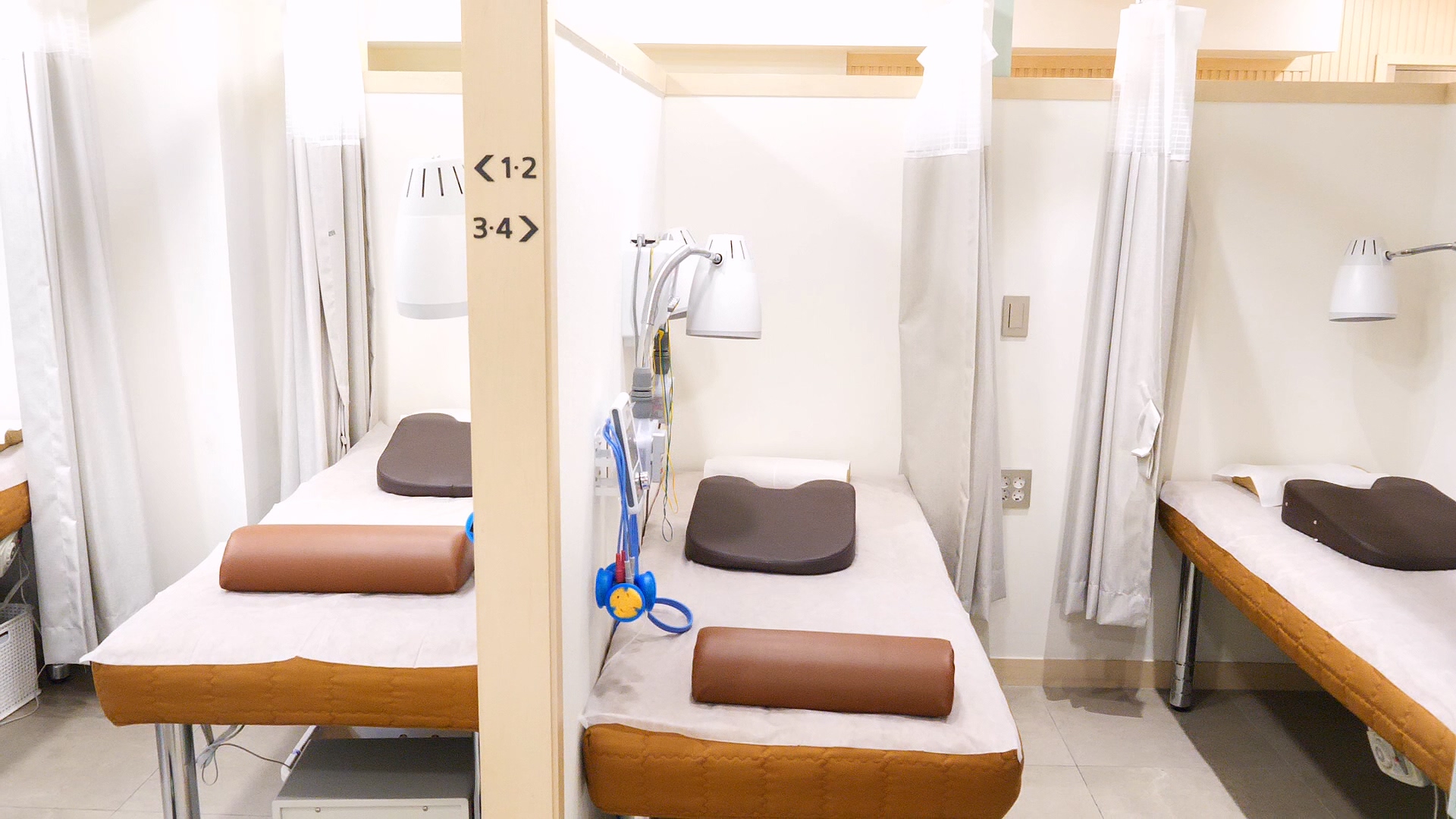
Acupuncture for dorsal burning sensation is not merely about superficial relaxation; it is a clinical intervention designed to release deep tissue adhesions and realign the spine to restore normal sensory and autonomic function. By focusing on the structural foundation of the body, we can address the physiological burdens that lead to persistent burning sensations and autonomic dysregulation. This guide explores how localized structural corrections can lead to widespread improvements in physical comfort and overall health.
Understanding Dorsal Burning Sensation Through the Lens of Structural Health
Dorsal burning sensation, historically known as back heat syndrome, is a debilitating condition characterized by an intense feeling of heat, burning, or a scalding sensation across the back, even though the skin itself appears completely normal. In my clinical experience at Bonecure, I have observed that this persistent, abnormal sensation is frequently linked to chronic muscle tension and structural imbalances that keep the nervous system in a state of high physiological stress. Unlike temporary muscle aches, this condition involves a complex interplay of the sensory nerves and the autonomic nervous system, necessitating a precise anatomical approach that targets the root mechanical causes.
Defining the persistent cycle of discomfort in dorsal burning sensation
The cycle of burning discomfort in the upper back is often perpetuated by a framework that is structurally misaligned, placing a constant strain on surrounding neurological pathways. At Bonecure, we analyze how postural deviations and structural bottlenecks create abnormal sensory feedback. When the thoracic spine or surrounding musculature is compromised, it can cause continuous irritation to the local nerve fibers, leading to a state where the patient experiences burning, flushing, or electric sensations that do not improve with ordinary rest. Breaking this cycle requires identifying the specific areas where the nervous system is being aggravated due to mechanical inefficiency. By addressing these structural blockages, we aim to deliver an immediate shift in tension, relieving the constant neurological burden and allowing the body to return to a balanced state.
The connection between physical adhesions and upper back sensory issues
Physical adhesions are thickened areas of connective tissue that form due to chronic posture strain, repetitive stress, or micro-injuries, and they play a direct role in abnormal sensory processing. These fibrous bands act as internal restraints, locking down muscles and fascia while compressing the delicate nerves and blood vessels passing through them. In my practice at Bonecure, I have found that these adhesions often concentrate around the scapular region and thoracic spine, leading to nerve entrapment. Specifically, compression of the dorsal scapular nerve or the thoracic dorsal rami can trigger severe burning sensations, tingling, or a feeling of insects crawling on the skin. Releasing these physical barriers is essential to free the compressed nerves from mechanical obstruction, allowing for immediate relief from the distressing heat sensations that local examinations fail to explain.
Why a structural approach is essential for autonomic regulation
Autonomic balance is the natural result of a body that operates without structural interference, making the correction of the musculoskeletal framework essential for resolving abnormal sensations. Many conventional approaches overlook the fact that the autonomic nervous system is intimately connected to the physical structure of the spine. At Bonecure, I emphasize that when the thoracic spine is structurally tight or misaligned, the sympathetic nerve chain can become overstimulated, frequently presenting alongside symptoms like sleep disturbances, digestive issues, or heart palpitations. A structural approach addresses the root cause by ensuring that the pathways of the central and autonomic nervous systems are cleared of physical compression. By restoring the correct alignment, we provide the nervous system with a stable environment, which is crucial for eliminating sensory distortions.
How Acupotomy at Bonecure Addresses the Root Causes of Back Heat and Pain
Acupotomy is a specialized form of acupuncture that utilizes a micro-blade at the tip of the needle to physically release adhered tissues and restore normal structural function. At Bonecure, this technique is used to target the deep, chronic lesions that standard acupuncture needles cannot reach, providing a direct mechanical solution to the physical obstructions that cause autonomic dysregulation and dorsal heat sensations. By strategically releasing these adhesions, we facilitate the restoration of nerve conduction and blood flow, which are vital for immediate comfort and systemic health.
The science of adhesion release for eliminating abnormal sensations
Acupotomy serves as a primary intervention at Bonecure for resolving deep-seated back heat by physically dismantling the biological barriers within your soft tissues. Chronic back burning is frequently rooted in physical adhesions, where layers of fascia and muscle become bound together due to prolonged poor posture. These adhesions act like internal clamps, restricting blood circulation and compressing peripheral nerves. During an acupotomy session, I utilize a specialized micro-blade needle to precisely target and release these fibrous tangles. This process aims to restore the natural sliding mechanism between tissue layers and immediately decompress the nerves. Unlike treatments that demand a long series of sessions before any change is felt, our targeted approach focuses on providing an immediate structural response and noticeable relief during the session.
Restoring the autonomic nervous system via thoracic spinal alignment
The restoration of the autonomic nervous system is a fundamental goal when I perform spinal alignment procedures at Bonecure. Your thoracic spine serves as a critical zone for sympathetic nervous system pathways, and any structural deviation can lead to autonomic instability. Patients suffering from dorsal burning sensations often present with deep muscular hardening and misalignments in the T2–T6 thoracic regions, which place undue pressure on the nerve roots. This persistent stimulation keeps the local nerves in an inflamed, hyper-reactive state. Through targeted structural intervention, we aim to realign the vertebrae and release the surrounding deep muscles like the multifidus and longissimus. By removing this physical pressure, we allow the autonomic nervous system to stabilize. While individual responses to spinal correction vary, addressing the structural foundation is a vital step in resolving the underlying neuro-sensory imbalances.
Understanding the Mechanism of Structural Acupotomy
When addressing a dorsal burning sensation and associated autonomic symptoms, it is important to understand the mechanical role of structural acupotomy. This specialized protocol targets deep-seated physical obstructions that contribute to nerve entrapment.
| Feature | Bonecure Structural Acupotomy Protocol |
|---|---|
| Primary Tool | Specialized micro-blade needle |
| Treatment Target | Deep tissue adhesions and thoracic spinal alignment |
| Mechanism of Action | Physical release, nerve decompression, and fascial parsing |
| Focus Area | Root structural imbalances, dorsal scapular nerve, and thoracic dorsal rami |
| Clinical Goal | Structural restoration and immediate sensory nerve relief |
| Intended Outcome | Autonomic stabilization through targeted release |
A 2026 Clinical Guide to Structural Restoration at BonCure Korean Medicine Clinic
Scientific Proof and Clinical Observations in Spinal Restoration
Evidence-based practice is the cornerstone of my work, and I utilize objective diagnostic tools like Whole Spine X-ray to verify structural improvements in my patients. In my clinical experience, I have observed that addressing structural imbalances and deep fascial adhesions can lead to an immediate and significant reduction in abnormal sensory symptoms, including upper back heat and related autonomic issues. By focusing on spinal alignment and precise tissue release, we aim to alleviate the localized physiological stress that triggers sensory distortions. While individual results vary based on the patient's baseline condition, these clinical observations highlight the critical importance of the structural foundation. We use these findings to refine our personalized protocols, ensuring that every patient at Bonecure receives efficient, high-impact care tailored to their specific musculoskeletal and neurological profile.
Safety Protocols and Managing Treatment Expectations
Safety is a paramount concern during any clinical procedure, and we maintain rigorous sterilization and professional standards to minimize risks. Patients should be aware that acupotomy is a deeper, highly focused intervention, and it is normal to experience temporary side effects such as localized soreness, minor bruising, or slight bleeding at the site of treatment. These reactions are typically short-lived and are a sign of the body's natural inflammatory response to the physical tissue release. In rare instances, more serious complications like infection can occur, which is why a thorough consultation and professional medical oversight are mandatory. Our treatment protocols focus on delivering an immediate structural response that patients can feel right after the session, avoiding arbitrary treatment packages that delay clinical outcomes. We work closely with each individual to manage expectations and ensure a safe, efficient path toward structural recovery.
Integrative Acupuncture for Neck Pain: A 2026 Clinical Guide to Structural Restoration at Bonecure
Key Takeaways
- Structural Focus: Dorsal burning sensation (back heat syndrome) is frequently linked to physical adhesions and thoracic misalignments that compress sensory nerves.
- Acupotomy Benefits: The use of specialized micro-blade tools at Bonecure allows for the physical release of deep-seated tissue adhesions that standard treatments cannot reach.
- Immediate Relief Philosophy: Treatments are designed to provide immediate structural changes and tangible symptom improvement during the session, rather than forcing a mandatory multi-session schedule.
- Nervous System Balance: Releasing compressed tissue channels helps alleviate nerve entrapment (such as the dorsal scapular nerve), lowering autonomic dysregulation.
- Objective Visuals: Utilizing tools like Whole Spine X-ray ensures that spinal adjustments are guided by clear, objective structural data.
Frequently Asked Questions
Q. What exactly is a dorsal burning sensation (back heat syndrome) from an acupuncture perspective?
From my clinical perspective at Bonecure, a dorsal burning sensation is primarily a physical and neurological issue rather than a skin problem. It frequently involves deep tissue adhesions and thoracic spine misalignments that entrap the dorsal rami or dorsal scapular nerve. This mechanical compression sends abnormal heat and burning signals to the brain, which we address through precise structural release.
Q. How does Acupotomy differ from regular acupuncture for back heat and nerve entrapment?
While regular acupuncture focuses on superficial relaxation and general meridian flow, Acupotomy uses a specialized micro-blade tool to physically separate and release thickened, adhered connective tissues. This adhesion release directly unclamps compressed sensory nerves and blood vessels, providing a highly efficient mechanical solution for deep-seated abnormal sensations.
Q. Is the treatment at Bonecure painful?
Acupotomy involves a deep physical release of hardened tissue, so patients may experience a brief, deep ache or sharp sensation during the procedure. However, because it immediately removes the mechanical pressure on the nerves, many patients describe an immediate sense of lightness and relief right after the tension is released.
Q. Are there any side effects I should be aware of?
As with any clinical structural intervention, potential localized side effects include temporary pain, minor bruising, or transient bleeding at the treatment site. In rare cases, infection can occur, which is why we strictly follow rigid sterilization and professional medical protocols. All risks are thoroughly reviewed with you prior to treatment.
Q. How many sessions are typically required to see results for back heat syndrome?
At Bonecure, we focus on efficient, high-impact treatments where the structural change is designed to be immediate and palpable. We do not have protocols stating that you must receive ten or more sessions before experiencing improvement. The structural response occurs during the treatment, allowing patients to feel the difference right away.
Q. Can thoracic spinal alignment improve autonomic symptoms like sleep or digestive issues?
Yes. The thoracic spine is structurally linked to the sympathetic nervous system pathways. When thoracic vertebrae are misaligned or surrounded by hyper-tense muscles, it can keep your autonomic nervous system in a state of constant irritation, leading to back heat, anxiety, or poor digestion. Realigning these areas helps restore normal autonomic function.
Q. Is recovery guaranteed for every patient?
In medical practice, outcomes cannot be universally guaranteed as every individual's anatomy and degree of nerve entrapment vary. The clinical observations and case analyses I share reflect the strong potential for immediate symptom reduction when the underlying structural issues are resolved. A professional consultation is required to assess your specific condition.
For more information or to schedule a consultation regarding your structural health, please contact our clinic.
Bonecure / Director Song Jeong-hyeon
FAQ
- What exactly is Chronic Fatigue Syndrome (CFS) from an acupuncture perspective?
- From my clinical perspective at Bonecure, CFS is often more than just mental tiredness. It frequently involves physical adhesions in the soft tissues and spinal misalignments that put constant stress on the nervous system, draining the body's energy reserves. By addressing these mechanical issues, we can help the body return to a more efficient state of operation.
- How does Acupotomy differ from regular acupuncture for fatigue?
- While regular acupuncture focuses on meridian flow and superficial relaxation, Acupotomy uses a specialized tool to physically release thickened, adhered tissues. This adhesion release helps restore proper circulation and nerve function, which is often more effective for deep-seated chronic exhaustion. It is a more mechanical and structural approach to healing.
- Is the treatment at Bonecure painful?
- Acupotomy involves a deeper physical release than standard needles, so some patients may feel a dull ache or sharp sensation during the procedure. However, many of my patients describe a sense of immediate lightness once the tension is released. The temporary discomfort is generally considered a manageable part of the recovery process.
- Are there any side effects I should be aware of?
- As with any invasive procedure, potential side effects include localized pain, minor bruising, or temporary bleeding at the site. In rare cases, infection could occur, which is why we maintain strict sterilization and professional protocols. We always discuss these risks with patients before beginning any course of treatment.
- How many sessions are typically required to see results for CFS?
- Recovery varies significantly depending on the individual's condition and how long they have suffered from fatigue. While some feel improvements quickly, chronic or severe cases often require a consistent series of treatments to achieve stable structural alignment. In my clinical observations, 20 sessions are often a benchmark for significant structural change.
- Can spinal alignment really improve my energy levels?
- Yes, because the spine houses the central nervous system. When the spine is misaligned, the body wastes immense energy trying to maintain balance and protect the nerves. By correcting these structural issues, we reduce the burden on your system, allowing that energy to be used for daily life and internal healing.
- Is the recovery guaranteed for every patient?
- In medicine, no result can be 100 percent guaranteed. The clinical outcomes I share are based on specific case reports and individual patient experiences, such as the 18-year chronic case that saw symptom scores drop from 54 to 2. Each body responds differently, and a thorough consultation is necessary to determine the best path for you.