
Post
2026 Clinical Guide to Korean Acupotomy for Structural Alignment: The Bonecure Approach to Intractable Pain
Greetings. I am Song Jung-hyun, a practitioner of Korean medicine who has focused on specialized structural acupotomy and structural alignment for many years. Addressing complex musculoskeletal and neurological conditions is not simply about localized symptom relief; it is a comprehensive approach to restoring the natural harmony and structural integrity of the cranium and spine.
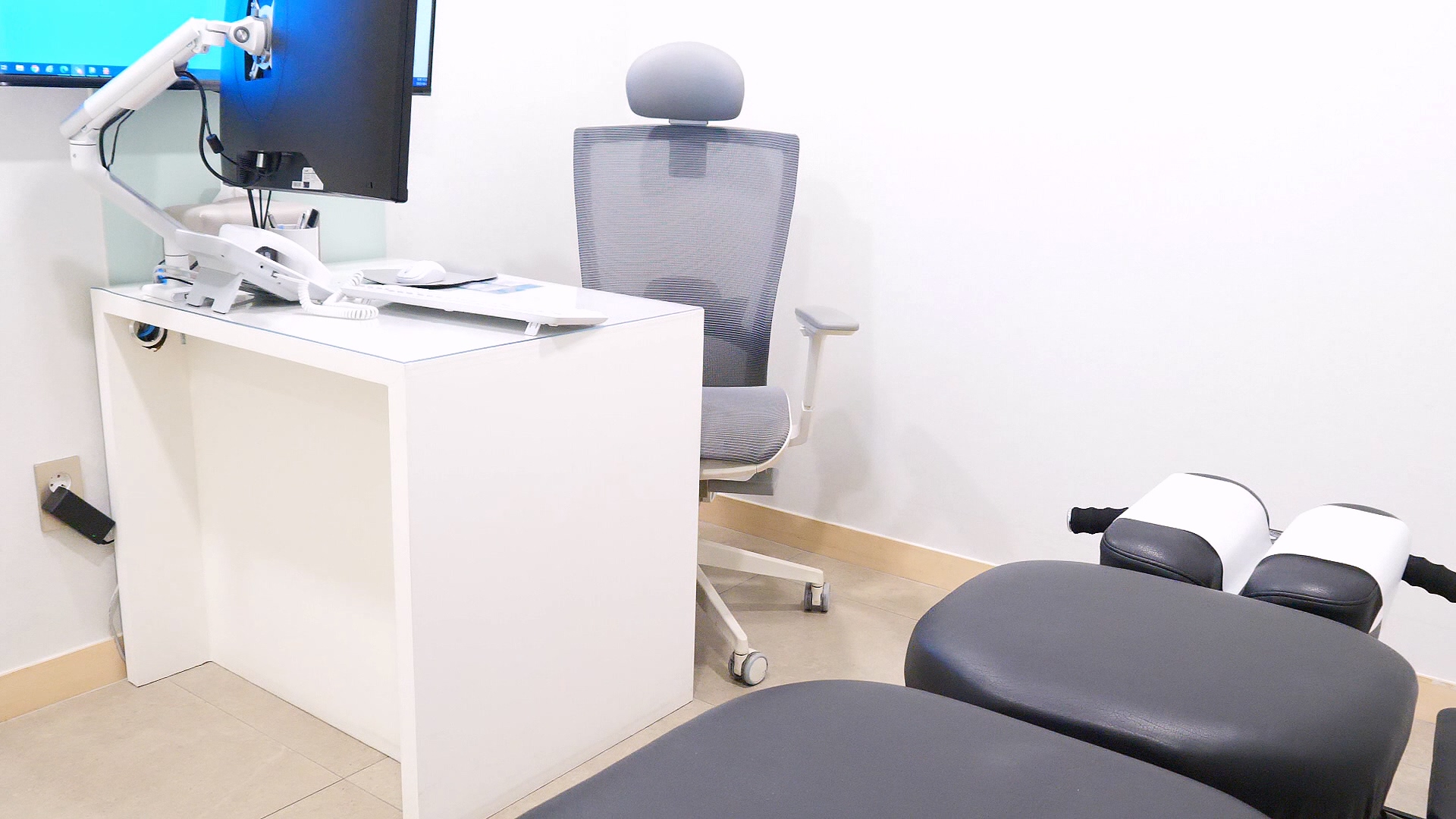
By understanding the deep relationship between our skeletal alignment and the soft tissues that surround them, we can provide targeted treatments that address the root causes of chronic and intractable pain.
Understanding Korean Acupotomy and Structural Alignment for Complex Conditions
Korean structural acupotomy is defined as a specialized therapeutic procedure using a unique, micro-blade needle tool to release rigid fascial layers, resolve deep tissue adhesions, and promote structural balance. Unlike standard acupuncture that focuses primarily on superficial dermal points, this method targets the biological health of deep connective structures to relieve neural compression and restore mobility from within.
The Biological and Neurological Mechanism of Acupotomy
Structural acupotomy operates by inducing a highly controlled mechanical release within deep, adhered fascial layers and fibrotic muscle tissues. When the specialized acupotomy tool is introduced into precise mechanical blockages, it physically decompresses entrapped nerves and breaks down stubborn scar tissue. This process triggers the body's natural tissue remodeling response, accelerating micro-circulation and delivering essential nutrients to previously ischemic zones. At Bonecure, we emphasize that managing neurological or deep sensory symptoms requires balancing the underlying structural framework. By properly reorganizing the internal tension of deep fascia and musculature, we help restore normal signaling to the nervous system, providing a sustainable foundation for long-term functional recovery, although individual recovery rates vary.
Korean Traditional Principles vs. Modern Structural Alignment
The integration of traditional Korean medicine with modern structural biomechanics represents a significant evolution in managing chronic neurological and painful disorders. Traditional principles focus on balancing internal constitutional flow, while modern structural alignment emphasizes the physical relationships between bones, deep muscles, and nerves. At Bonecure, we bridge these two perspectives by analyzing how misalignments in the cranial-cervical spine directly influence autonomic nervous system health and distal sensory symptoms. For instance, a subtle distortion in the upper cervical spine can lead to abnormal compensatory tension throughout the entire dorsal line, manifesting as chronic pain or autonomic imbalances. By combining precise structural manual approaches with targeted acupotomy, we simultaneously correct physical nerve entrapments and optimize systematic vitality. This dual approach ensures that care targets the structural root cause rather than superficial symptoms, providing comprehensive rehabilitation.
Bonecure's Philosophy: When Your Bones Smile, Life Smiles
At the heart of Bonecure is a clinical philosophy that links skeletal integrity directly to quality of life, encapsulated in our motto: When Your Bones Smile, Life Smiles. We believe that true physiological comfort cannot be achieved unless the skeletal and muscular structures are in perfect alignment and free from structural stress. Chronic postural distortion creates abnormal tension patterns that simple relaxation techniques cannot resolve. Our approach involves evaluating the patient's entire posture, as the position of the pelvis, spine, and shoulders forms the base for cranial and cervical balance. By restoring proper alignment to this overarching structural column, we reduce abnormal mechanical pull on deep nerves and blood vessels. This holistic focus on physical alignment as the prerequisite for neurological health allows our clinic to assist patients in reclaiming an active, balanced, and pain-free daily life.
Advanced Techniques: Comparing Traditional Needling and Bonecure’s Acupotomy
Therapeutic needling techniques vary significantly based on clinical intent, ranging from superficial meridian stimulation to deep mechanical decompression of dense fibrous tissue. Selecting the right clinical methodology depends on the patient's specific diagnosis, chronicity, and the degree of structural distortion present in the spine.
Understanding Different Approaches to Structural Intractable Conditions
| Feature | Standard Meridian Approach | Bonecure Structural Acupotomy |
|---|---|---|
| Primary Focus | Skin surface and superficial meridians | Deep fascial adhesions and skeletal alignment |
| Diagnosis Method | Visual and pulse inspection | Partnered whole-spine X-ray and posture analysis |
| Needle Type | Standard thin acupuncture needles | Specialized acupotomy (needle-knife) tools |
| Mechanism | General meridian stimulation | Adhesion release and structural decompression |
| Treatment Scope | Localized symptom relief | Whole-body skeletal and cervical coordination |
| Biological Goal | Temporary energetic balance | Fibrotic tissue release and tension normalization |
The Role of Fascial Release and Acupotomy in Neurological Conditions
Fascial release via acupotomy is essential for treating conditions like spasmodic torticollis (cervical dystonia). When muscles are subjected to continuous abnormal neurological contractions, they undergo fibrotic changes and adhere strongly to nearby structures. This results in severe stiffness, pain, and involuntary twisting. Our structural approach utilizes specialized acupotomy to safely dissect these deep, hardened adhesions, allowing muscles to regain their natural resting length and elasticity. Softening this rigid connective tissue helps restore impaired lymphatic drainage and local blood flow caused by chronic tension. This release can provide direct relief from persistent muscle spasms. While initial functional improvements are often noticeable early in the treatment plan, deep structural remodeling typically requires consistent care across a series of five to ten sessions, depending on the severity of tissue fibrosis.
Targeting Nerve Entrapments for Dorsal Burning Sensation (Baeyeol-jeung)
An abnormal burning sensation in the back, clinically termed dorsal burning sensation or Baeyeol-jeung, is a classic example of nerve entrapment combined with autonomic imbalance. Patients often describe a distressing sensation of heat or burning across the upper back, even though the skin appears completely normal. This condition is closely linked to the entrapment of the Dorsal Scapular Nerve (originating from the C5 root and routing through the middle scalene muscle) or the Thoracic Dorsal Rami medial and lateral branches, which pass between the deep multifidus and erector spinae muscles. When the thoracic region becomes rigid or misaligned, these nerve pathways are compressed, generating severe sensory distortions. Our clinic utilizes precision acupotomy to break down the dense muscular bands compressing these specific nerve branches. Releasing this chronic structural entrapment normalizes sensory signaling and relieves the burning sensation, addressing the physical root of the condition.
The Bonecure Experience: From Partnered Diagnosis to Targeted Restoration
The Bonecure clinical experience is built upon precise physical evaluation and highly streamlined treatment protocols customized for each individual. We recognize that chronic, intractable symptoms are deeply tied to the body's global structural framework, making a precise structural assessment essential for recovery.
Integrating Partnered X-ray Analysis for Structural Balance
A critical element of Bonecure's diagnostic framework is utilizing comprehensive whole-spine X-ray analysis to trace the underlying origins of chronic pain and functional disorders. To maintain an efficient, highly focused clinical environment, Bonecure coordinates directly with our primary partner institution, Harrison Hospital, to perform necessary radiographic and advanced imaging assessments (including X-rays, CTs, or MRIs for complex cases). Misalignments in the lumbar spine or a pelvic tilt frequently trigger compensatory muscular tension that travels up the spine, leading to cervical issues and nerve irritation. By carefully analyzing these structural images provided by our partner hospital, we can map out hidden skeletal distortions. This collaborative diagnostic approach ensures our structural acupotomy is applied with high precision to the exact areas requiring decompression, providing an objective roadmap to track skeletal improvements.
Addressing the Root Cause: Parkinsonism and Autonomic Balance
When evaluating tremors or movement issues, differentiating between true Parkinson's disease and various forms of Parkinsonism (including atypical Parkinson's syndromes like Multiple System Atrophy or Progressive Supranuclear Palsy) is essential. True Parkinson's disease is a progressive neurodegenerative disorder resulting from a loss of dopamine-producing cells, where structural treatments focus on easing secondary autonomic symptoms and slowing functional decline. Conversely, many functional Parkinsonism variants stem from mechanical and circulatory blockages that respond favorably to structural correction. Misalignments in the upper cervical region can stress the autonomic nervous system and impede optimal blood flow. By utilizing precision acupotomy around the suboccipital region and the C1 transverse process, we help reduce structural pressure on these neural pathways. This treatment helps regulate autonomic function and manage complex symptoms, though individual outcomes vary based on disease progression.
What to Expect During an Efficient Acupotomy Treatment Session
At Bonecure, we respect our patients' time and focus on delivering high-impact, efficient clinical sessions. Our operational system is streamlined to focus entirely on essential, high-yield interventions without unnecessary filler procedures. A typical treatment session is highly condensed, taking approximately 10 to 20 minutes in total. During this focused window, the patient undergoes targeted manual assessment, precision Chuna adjustments, and active acupotomy to address specific structural blockages and adhesions. Rather than leaving needles idle for long periods, we provide direct, hands-on clinical intervention. Patients may experience a distinct, deep pressure sensation known as 'de-qi' as the acupotomy tool safely resolves dense tissue blockages. Following the session, we provide concise structural guidance to support daily posture, allowing patients to seamlessly fit their rehabilitation into a busy schedule.
Clinical Observations and Safety Guidelines in Structural Acupotomy
Thorough clinical documentation and clear safety protocols are essential for high-quality care, ensuring that every patient understands their treatment trajectory and the steps required for a safe recovery. At Bonecure, we emphasize realistic clinical expectations and absolute transparency regarding treatment boundaries.
Analyzing Complex Cases: Insights into Atypical Parkinsonism and Torticollis
Our clinical observations in managing complex neurological conditions highlight the value of combining precision acupotomy with structural alignment. In treating complex disorders like atypical Parkinsonism or severe spasmodic torticollis, targeting the deep suboccipital muscles and cervical transitions has consistently shown strong clinical relevance in supporting functional restoration. Patients who actively pair clinical treatments with prescribed structural stabilization exercises generally achieve more durable results than those relying solely on passive care. These case evaluations demonstrate that while structural improvement is achievable, individual outcomes depend heavily on the chronicity of the condition, overall health, and lifestyle habits. Documenting these structural changes allows us to continuously refine our methods and offer reliable, evidence-based care tailored to complex cases.
Understanding Recovery and Material Risks of Acupotomy
Because structural acupotomy involves the precise mechanical release of deep, adhered tissues using a specialized micro-blade tool, patients must understand the normal recovery process and potential material risks. Common post-treatment effects include transient localized soreness, minor bruising at the intervention site, or temporary mild swelling, which typically clear within two to five days as the tissues heal. Rare risks include deeper hematomas or localized infection, which we mitigate by maintaining strict medical sterilization standards and utilizing single-use, sterile equipment. Patients with known bleeding disorders or those taking blood-thinning medications require careful medical screening prior to any procedure. We provide clear, comprehensive aftercare protocols during the initial consultation to ensure a safe, predictable recovery and help patients navigate their rehabilitative care with confidence.
Maintaining Longevity: Post-Treatment Care and Posture Correction
Sustaining long-term structural alignment and pain relief requires active collaboration between the practitioner and the patient outside the clinic. The most critical factor in maintaining skeletal balance is correcting daily ergonomics, particularly avoiding prolonged forward head posture (commonly known as tech neck). We provide our patients with targeted structural exercises to strengthen the deep stabilizing muscles of the neck and upper back, helping preserve the alignment achieved during clinical sessions. Proper hydration and balanced nutrition are also recommended to support tissue remodeling and fascial elasticity. Patients should avoid extreme heat, such as saunas or direct sun exposure, for 24 hours immediately following an acupotomy session to allow the micro-releases to stabilize. Taking an active role in daily structural habits helps patients protect their alignment and enjoy lasting functional freedom.
Acupuncture for Chronic Pain: An Evidence-First Guide to Structural Recovery
A 2026 Clinical Guide to Spine and Joint Rehabilitation: The Bonecure Structural Approach
Frequently Asked Questions
Q. What is Bonecure's structural approach exactly?
It is a specialized medical treatment combining precise structural alignment with acupotomy (needle-knife therapy). It utilizes a unique micro-blade tool to physically release deep fascial adhesions, resolve tissue fibrosis, and decompress entrapped nerves along the spine and cranium. Unlike superficial treatments, it targets the underlying structural causes of chronic pain and complex neurological symptoms.
Q. How many sessions are typically required to see a difference?
Many patients note a distinct change in mobility and a reduction in deep tension within their initial sessions. However, achieving long-term structural stability for chronic or complex conditions generally requires a structured course of 5 to 10 treatments. Highly chronic cases involving severe spasmodic torticollis or advanced structural distortions may require an extended care plan tailored to individual tissue changes.
Q. Are there any side effects or risks associated with acupotomy?
Expected side effects include mild localized soreness, minor bruising, or temporary swelling at the treatment site, which typically resolve within a few days. Because it is an invasive micro-dissection technique, there is a minimal risk of infection or localized bleeding. These risks are managed by utilizing strictly sterile, single-use instruments and thorough patient screening.
Q. Can structural acupotomy assist with complex conditions like spasmodic torticollis?
Yes, it is highly applicable for managing spasmodic torticollis. By physically resolving the dense, fibrotic tissue adhesions caused by chronic involuntary muscle contractions, acupotomy helps restore normal muscle length and reduces mechanical pull on the cervical spine. This structural release addresses the physical tissue changes associated with the condition.
Q. Is the structural correction permanent?
No clinical procedure can entirely halt the natural aging process or eliminate everyday environmental stressors. However, because structural acupotomy alters muscle memory and releases deep physical restrictions, the clinical benefits can be long-lasting. Consistently practicing prescribed posture corrections and stability exercises at home helps maintain structural balance.
Q. How does this approach differ from standard acupuncture or nerve blocks?
Standard acupuncture primarily stimulates superficial meridian points for energetic balance and general pain modulation. Nerve blocks temporarily numb a pathway using chemical substances. In contrast, Bonecure’s structural acupotomy physically alters the tissue architecture by releasing deep, fibrotic blockages and restoring skeletal alignment, addressing the physical cause of nerve compression.
Q. Is the treatment painful for sensitive patients?
Patients typically experience a distinct sensation of deep pressure or a dull ache, known as 'de-qi', during the brief micro-release process. Because we utilize highly precise techniques and ultra-fine specialized tools within a streamlined 10 to 20-minute session, any discomfort is brief and kept within a manageable range for the patient.
Key Takeaways
- Bonecure utilizes specialized structural acupotomy to physically resolve deep fascial adhesions and relieve nerve entrapments.
- The clinic addresses complex, intractable conditions—including functional Parkinsonism, spasmodic torticollis, and dorsal burning sensation.
- Diagnostic clarity is achieved through detailed whole-spine imaging referred directly to our trusted partner, Harrison Hospital.
- Treatment sessions are highly efficient and high-impact, typically lasting 10 to 20 minutes total without unnecessary delays.
- Expected post-treatment recovery involves minor, temporary soreness and bruising that resolves within a few days.
- Long-term structural alignment relies on combining clinical care with active posture correction and home exercises.
Bonecure / Song Jung-hyun
FAQ
- What is Korean acupuncture for facial lifting exactly?
- It is a specialized treatment that uses fine needles to stimulate acupoints and fascial layers, promoting natural collagen production and structural muscle balance for a lifting effect. Unlike cosmetic surgeries, it focuses on the body's internal regenerative capabilities and skeletal alignment to achieve aesthetic improvements. This method is often chosen by those seeking a more natural alternative to synthetic interventions.
- How many sessions are typically required to see a difference?
- While some experience a sense of improved tension after one session, typical long-term structural changes often require a series of 5 to 10 treatments, depending on individual age and skin elasticity. Chronic cases involving significant facial asymmetry or severe postural distortion may require 20 or more sessions to achieve stable results. Each treatment plan is customized based on the initial diagnostic findings.
- Are there any side effects or risks associated with this procedure?
- Common risks include minor bruising, temporary swelling, or slight tenderness at the insertion site. These generally resolve within a few days, but individual responses may vary significantly between patients. It is a non-invasive procedure, but as with any needling technique, there is a very small risk of infection if aftercare instructions are not followed carefully.
- Does facial acupuncture help with facial asymmetry?
- Yes, by addressing imbalances in the masticatory muscles and cervical alignment, structural acupuncture can help improve the visual appearance of facial symmetry. If one side of the face is sagging more due to muscle tension or bone misalignment, we target those specific areas to restore balance. This approach treats the functional cause of the asymmetry rather than just the surface symptom.
- Is the lifting effect permanent?
- No cosmetic procedure is permanent because the body continues to age and react to environmental stressors. However, because this method focuses on structural health and muscle memory, the results can be long-lasting when paired with proper posture and maintenance. Regular follow-up sessions and corrective exercises are recommended to sustain the improvements over the long term.
- How does this differ from Botox or chemical fillers?
- Unlike fillers that add volume or toxins that paralyze muscles, acupuncture works by improving blood circulation and reorganizing the natural tension of the fascia and muscles. It does not introduce foreign substances into the body, making it a preferred choice for those with sensitivities or a desire for natural aging. It focuses on restoring function rather than just altering appearance.
- Is the treatment painful for those with sensitive skin?
- Most patients feel a minor stinging sensation or 'de-qi', which is a dull pressure or tingling. We use ultra-fine needles to minimize discomfort, though sensitivity levels differ for every individual and can be higher in areas with thin skin. Our practitioners are trained to adjust their technique to ensure the most comfortable experience possible for every patient.