
Post
A 2026 Clinical Guide to a Korean Medical Wellness Clinic: Structural Restoration at BonCure
Hello. I am Dr. Song Jung-hyun, a practitioner who has focused on acupotomy and structural restoration for many years at BonCure Korean Medicine Clinic. A Korean Medical Wellness Clinic represents a modern integration of traditional Korean medicine and contemporary anatomical science, specifically designed to address chronic pain and systemic imbalances by correcting the skeletal and soft tissue structures of the body.
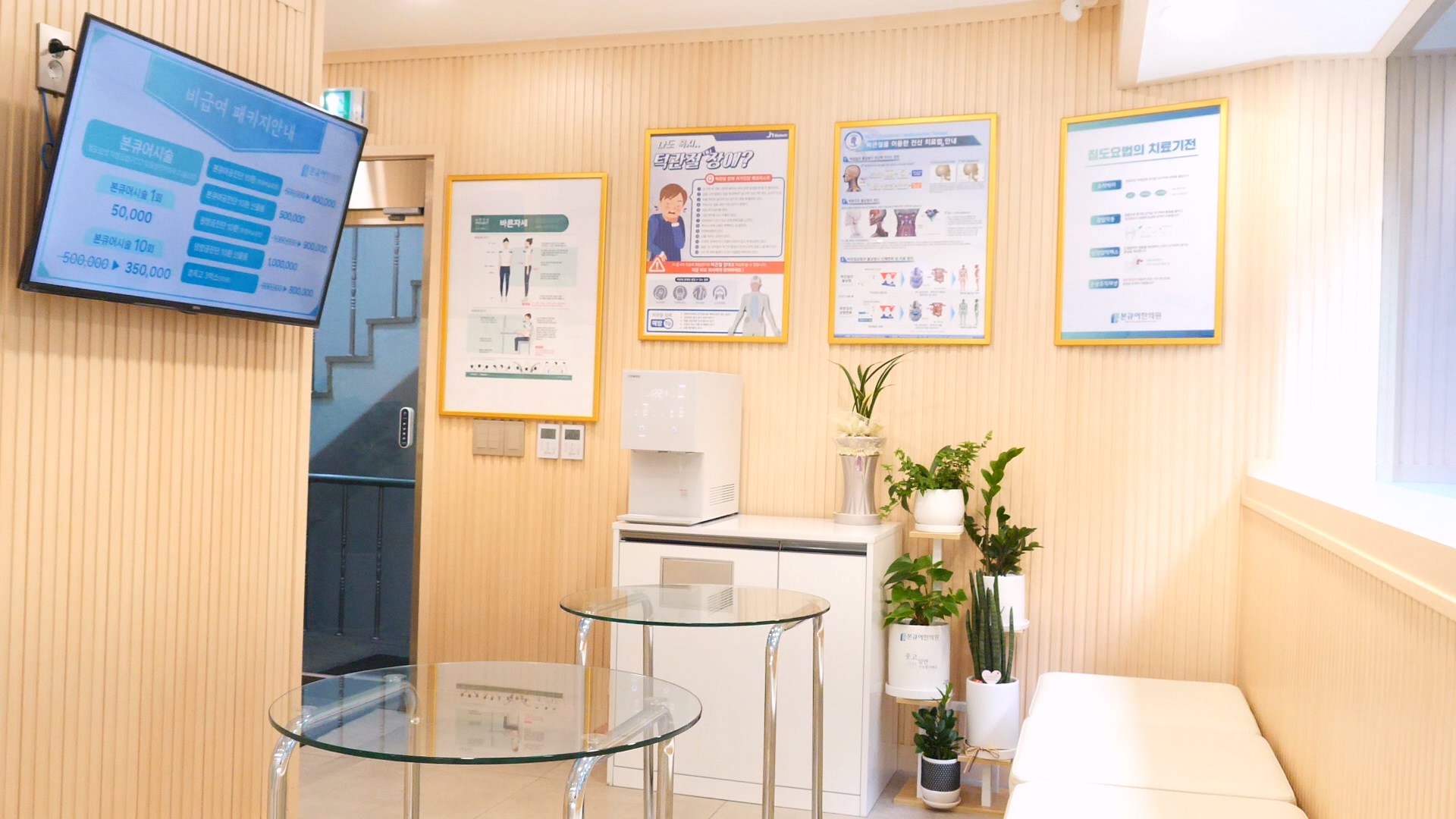
At BonCure, we operate under the philosophy that "When your bones smile, life smiles," emphasizing that structural integrity is the foundation of overall vitality and physiological wellness in 2026. Rather than simply managing symptoms, our focus remains on identifying the root causes of pain and restoring the body’s overall balance through personalized, highly efficient treatment plans tailored to each individual patient's unique structural needs.
Understanding the Core Philosophy of a Korean Medical Wellness Clinic
The core philosophy of a Korean medical wellness clinic is rooted in the belief that musculoskeletal health and internal physiological functions are deeply interconnected through the nervous and vascular systems. Unlike conventional approaches that may focus on a single symptom, our structural approach looks at the human body as a unified architectural entity, where even a slight deviation in the spine can lead to widespread dysfunction. By focusing on the root cause of these misalignments, we aim to facilitate the body’s natural ability to maintain equilibrium and recover from environmental stressors.
Redefining Holistic Health Through Non-Surgical Structural Restoration
Non-surgical structural restoration is a methodology within a Korean Medical Wellness Clinic that prioritizes the correction of skeletal misalignments and tissue dysfunction without invasive surgical intervention. At BonCure, we view the human body as an integrated structural unit where the spine and joints serve as the foundation for autonomic and physiological health. This approach shifts the medical focus from isolated pain points to the comprehensive integrity of the musculoskeletal system. By utilizing precise diagnostic data, such as whole-spine X-ray analysis performed in collaboration with our affiliated medical institutions, we identify subtle deviations in the skeletal framework that contribute to chronic conditions like cervicogenic headaches or digestive disorders. Our primary objective is to facilitate the body’s innate healing capacity by restoring natural mechanical balance through direct, manual interventions. While conventional approaches might rely heavily on pharmacological suppression of symptoms, our structural restoration protocols aim for immediate functional stability, ensuring that every patient receives a customized pathway toward long-term wellness and systemic equilibrium within a contemporary clinical environment.
The Core Pillars of Treatment: Realignment, Tissue Release, and Long-Term Recovery
The treatment protocols in our clinic are built upon three essential pillars that ensure a comprehensive recovery process for patients suffering from chronic structural issues. The first pillar is skeletal realignment, which involves correcting the positioning of the spine and pelvic girdle to alleviate nerve compression and improve vascular circulation throughout the body. The second pillar is soft tissue release, where specialized tools like acupotomy are used to break down chronic adhesions and fibrotic tissues that restrict movement and cause persistent discomfort. Finally, the third pillar is long-term recovery, focusing on stabilizing these changes through lifestyle modifications and maintenance care. In my clinical experience, these pillars work synergistically to address conditions that have persisted for years. In clinical practice, focusing on these structural pillars can be beneficial even for chronic conditions like tinnitus or movement disorders, as addressing the underlying framework may support the body's natural recovery processes. Please note that this represents a specific patient's experience, and results may vary. This systematic approach ensures that relief is not merely temporary but structurally sustainable.
Comparing Conventional Care with Integrative Korean Medical Structural Modalities
Integrative Korean medical structural modalities differ from conventional care by emphasizing the functional relationship between the skeletal framework and the autonomic nervous system. While traditional orthopedics may excel at treating acute fractures or trauma, a Korean Medical Wellness Clinic focuses on identifying and analyzing subtle, chronic functional misalignments in the skeletal and soft tissue framework. By combining manual techniques with micro-invasive tissue releases, we provide a middle ground for patients who seek more than just pain management but are not candidates for major surgery.
Symptomatic Relief Versus Root Cause Identification
Many patients arrive at our clinic after exhausting conventional pain management options that often focus exclusively on symptomatic relief through medication or localized injections. In a Korean Medical Wellness Clinic, however, we prioritize root cause identification by analyzing how a misalignment in one area, such as the cervical spine, may be causing compensatory issues in the lumbar region or even internal organ dysfunction. By evaluating the body as a whole, we can identify why a symptom persists despite localized treatments. Our diagnostic process includes assessing the tension in the fascia and the degree of spinal subluxation, which are often the true culprits behind chronic pain. This transition from suppressing pain to identifying its origin is what distinguishes our restorative approach. By addressing the underlying structural imbalance, we reduce the likelihood of recurrence and provide patients with a clearer understanding of their own physical health. Unlike programs that require dozens of sessions for initial improvement, we focus on treatments that allow patients to feel immediate changes in their symptoms, leading to more predictable outcomes in the long term for complex musculoskeletal conditions.
A Comparative Look at Treatment Methodologies and Patient Outcomes
When comparing various treatment methodologies, it is helpful to look at how different approaches target the structural elements of the body to achieve patient recovery. The following table illustrates the differences between two of our most common structural treatments used to restore balance and mobility at BonCure.
| Feature | Acupotomy | Chuna Manual Therapy |
|---|---|---|
| Primary Objective | Release chronic tissue adhesions and fibrosis | Correct skeletal subluxation and alignment |
| Methodology | Micro-invasive tool to detach rigid tissues | Hands-on manipulation of joints and muscles |
| Target Tissue | Soft tissues (tendons, ligaments, fascia) | Skeletal structure and nerve pathways |
| Expected Sensation | Sharp, temporary pressure or soreness | Stretching, clicking, or deep pressure |
| Typical Frequency | Adjusted per individual; immediate change focused | Frequent initially to stabilize alignment |
These methodologies are often used in tandem at BonCure to ensure that both the rigid skeletal framework and the surrounding soft tissues are addressed simultaneously for optimal structural restoration and immediate functional improvement.
When to Seek Specialized Structural Realignment Strategies
Seeking specialized structural realignment is recommended when conventional physical therapy or medication fails to provide lasting relief for chronic musculoskeletal conditions. Patients experiencing persistent dizziness, chronic fatigue, or radiating pain that does not respond to standard rest protocols may be suffering from deep-seated structural misalignments. In these cases, a Korean Medical Wellness Clinic offers specialized interventions like Chuna therapy and acupotomy to address the internal adhesions and joint subluxations that simple exercise cannot reach. It is particularly crucial for individuals who have experienced trauma, such as whiplash from a motor vehicle accident, where the structural displacement is often complex and multi-axial. Our clinic provides a detailed assessment to determine if a patient's symptoms are linked to these structural issues. By intervening early with specialized alignment strategies, we can prevent the progression of degenerative changes in the spine and joints, ultimately helping patients avoid more invasive procedures while restoring their ability to perform daily activities with greater ease and significantly reduced discomfort through our impact-focused clinical protocols.
Scientific Methods for Structural Health: Acupotomy and Chuna Manual Therapy
Scientific methods for structural health in a modern clinic involve the application of biomechanical principles to traditional Korean therapeutic techniques. At BonCure, we utilize tools like acupotomy and Chuna manual therapy not as mystical rituals, but as precise medical interventions designed to alter the physical state of the body's tissues. These methods are supported by objective measurements, such as spinal curvature angles and standardized pain scales, to track the progress of each patient throughout their individualized treatment plan.
Acupotomy for Releasing Chronic Tissue Adhesions and Restoring Mobility
Acupotomy is a specialized micro-invasive procedure that uses a flat-headed needle to perform small dissections of adhered tissues that have become fibrotic due to chronic inflammation or injury. In the context of a Korean Medical Wellness Clinic, this technique is essential for patients who feel a constant "tightness" or "locking" sensation in their joints that does not improve with stretching. The tool allows the practitioner to precisely target and release these adhesions, which often act as a tether, pulling the skeletal structure out of alignment. While the procedure involves a brief sensation of pressure or sharp discomfort, the release of these tissues can lead to an immediate improvement in the range of motion and symptom intensity. It is important to note that because this is a micro-invasive technique, some patients may experience mild bruising, localized swelling, or temporary soreness at the site of treatment. However, these effects are generally self-limiting and resolve within a few days. By clearing these physical obstructions, acupotomy paves the way for more effective skeletal realignment and functional recovery.
Chuna Therapy for Optimal Spinal Realignment and Structural Balance
Chuna manual therapy is a hands-on treatment where the practitioner applies controlled force to the patient’s joints, muscles, and fascia to correct structural imbalances and improve physiological function. Within our clinical framework, Chuna is used to reposition subluxated vertebrae and restore the natural curvature of the spine, which is vital for the health of the central nervous system. This therapy is highly personalized, as the practitioner must assess the unique bone structure and muscle tension of each individual before applying specific manipulations. By restoring the proper alignment of the pelvis and spine, Chuna therapy helps to redistribute the mechanical load on the body, reducing the strain on overactive muscles and alleviating pressure on compressed nerves. For more insights on how this is applied, you may review A 2026 Clinical Guide to Chuna Manual Therapy for Neck Pain: Restoring Structural Balance at BonCure. This manual intervention is a cornerstone of our structural restoration protocols, providing a safe and effective way to maintain skeletal harmony without the need for pharmacological dependency or invasive surgical measures.
Clinical Documentations and Objective Measurements of Structural Progress
To ensure the highest standard of care, we utilize objective measurements and clinical documentation to track the efficacy of our structural interventions. At BonCure, we do not rely solely on a patient's subjective report of feeling "better"; instead, we use standardized data, including whole-spine X-ray images obtained through our partner hospitals, to measure changes in spinal angles and pelvic tilt. Furthermore, we employ psychological and functional assessment scales, including the Beck Anxiety and Depression Inventories, to monitor the systemic impact of structural restoration on a patient’s mental well-being. In clinical observations, we have noted that structural correction can have a positive impact on the neurological pathways related to auditory function or autonomic regulation. These case reports reflect specific patient outcomes and do not guarantee the same results for every individual; treatment efficacy depends on the patient's unique physical state. These objective data points allow us to refine our treatment plans and provide patients with a clear, evidence-based view of their recovery journey.
Patient Safety Protocols, Potential Risks, and Long-Term Expectations
Patient safety protocols are the highest priority in any medical setting, especially when dealing with structural realignments and micro-invasive procedures. In our clinic, we follow strict sterile techniques and perform comprehensive pre-treatment screenings to identify any contraindications or high-risk factors. While our therapies are designed to be conservative and safe, it is essential for patients to understand the potential sensations and limitations associated with structural restoration to maintain realistic expectations for their recovery.
Understanding Expected Responses, Temporary Sensations, and Limitations
Patients undergoing structural restoration should be aware that the body often undergoes a period of adjustment as it shifts toward a new alignment. It is common to experience temporary sensations such as muscle soreness, mild fatigue, or even a temporary increase in localized sensitivity following an acupotomy or Chuna session. These responses are typically indicators that the body’s soft tissues and nervous system are responding to the mechanical changes being introduced. However, it is important to recognize the limitations of non-surgical therapies; for instance, they may not be suitable for treating acute fractures, severe spinal stenosis requiring decompression, or advanced malignant conditions. In our practice, we emphasize that individual results vary depending on the chronicity of the condition and the patient’s adherence to post-treatment guidelines. While many patients experience significant improvements, those with deep-seated degenerative changes may require a more personalized course of treatment to achieve stability. We provide clear communication regarding these possibilities to ensure that every patient feels informed and supported throughout their specific healing process at the clinic.
Personalized Consultation for Safe and Effective Structural Realignment
A personalized consultation is the first and most critical step in ensuring that structural realignment is both safe and effective for the individual patient. At BonCure, every new patient undergoes an efficient and impact-focused diagnostic process conducted by myself, Dr. Song Jung-hyun. We review the patient’s medical history, prior imaging results, and specific health goals to determine the most appropriate course of action within a streamlined 10 to 20-minute clinical window. This stage is where we discuss the potential risks, such as minor bleeding or rare instances of infection, and how we mitigate them through our advanced safety protocols. You can learn more about my personal approach to these consultations in Dr. Song Jung-hyun Korean Medicine: A Guide to Structural Restoration at BonCure. By tailoring the treatment plan to the unique structural needs of each person, we maximize the potential for a positive outcome while minimizing the risk of adverse reactions. This collaborative diagnostic process ensures that the patient is an active participant in their recovery, understanding both the benefits and the necessary steps for achieving a balanced skeletal framework.
Maintaining Spinal Health and Structural Balance Beyond the Clinic
Maintaining the gains achieved through clinical treatment requires a commitment to spinal health and structural balance in one's daily life. Once the initial phase of realignment is complete, we provide patients with specific exercises and ergonomic advice to support their new skeletal posture. This long-term approach is vital because the body has a tendency to return to old, dysfunctional patterns if not properly reinforced through consistent habits. We encourage regular follow-up assessments to ensure that the structural integrity is being maintained and to address any minor misalignments before they develop into chronic issues. For those interested in the broader applications of these techniques in the city, see A 2026 Clinical Guide to Acupuncture Therapy Seoul: Structural Recovery at BonCure. Ultimately, the goal of our Korean Medical Wellness Clinic is to empower patients with the knowledge and physical stability needed to lead an active life. By combining professional clinical intervention with proactive self-care, patients can enjoy the lasting benefits of a balanced structure and a healthier, more vibrant life for many years to come.
Frequently Asked Questions
Q. What exactly is a Korean medical wellness clinic and how does it approach structural health?
A Korean medical wellness clinic like BonCure focuses on identifying the root causes of musculoskeletal discomfort by analyzing the balance of the entire skeletal structure. Instead of merely masking temporary pain, we combine traditional insights with contemporary anatomical understanding to restore proper structural alignment, release tissue adhesions, and promote the natural recovery mechanisms of the body. This approach ensures that the foundation of the body is addressed rather than just the symptoms.
Q. What core therapies are utilized at BonCure for structural restoration?
We primarily utilize acupotomy and Chuna manual therapy. Acupotomy involves using a specialized therapeutic tool designed to release chronic adhesions and fibrotic tissue that restrict mobility. Chuna manual therapy involves hands-on manipulation by a qualified practitioner to correct spinal subluxation and restore structural harmony. Every plan is customized based on comprehensive structural examinations, utilizing imaging data from affiliated hospitals when necessary.
Q. Are there any side effects or risks associated with acupotomy treatments?
Acupotomy is a precise, micro-invasive procedure. Some patients may experience temporary soreness, mild bruising, or minor bleeding at the treatment site, which typically resolves within a few days. While severe complications are rare, minimal risks such as localized infection exist. We minimize these concerns by maintaining strict sterile environments and thoroughly evaluating every individual's medical history before beginning any intervention.
Q. How many sessions are typically required to see noticeable improvements in structural alignment?
At BonCure, we focus on treatments where patients can experience immediate symptom relief and functional changes from the first visit. The overall timeline for long-term structural restoration varies depending on the chronicity of the condition and individual healing rates. A precise prognosis and personalized frequency plan are determined following an in-person, impact-focused diagnostic assessment by the doctor.
Q. Can I receive these structural wellness treatments alongside conventional Western medical therapies?
Yes, integrative care is often highly beneficial. Our therapies can complement conventional medical management, such as physical therapy or diagnostic imaging. It is essential to disclose all ongoing medical treatments during your consultation so we can coordinate a safe, non-conflicting plan that optimizes your overall structural recovery. We work to ensure that all aspects of your health care are aligned for the best possible outcome.
Q. What are the specific limitations of non-surgical structural therapies?
While these conservative therapies are highly effective for functional misalignments and chronic tissue adhesions, they may have limitations in cases involving advanced structural degeneration, acute traumatic fractures, or severe neurological deficits requiring emergency surgical intervention. A detailed examination helps determine the appropriateness of our protocols for your specific condition and ensures you receive the correct level of care.
Q. How much do the structural treatments at BonCure cost?
The cost of care depends on the specific modalities used and the complexity of the structural imbalance. Rather than offering fixed generic pricing, we discuss the financial value and outline transparent structural options during the initial diagnostic consultation. This allows us to provide a plan that fits your specific needs and expected health outcomes efficiently.
Key Takeaways
- BonCure focuses on root-cause structural restoration using integrative non-surgical methods like acupotomy and Chuna therapy.
- Treatment plans prioritize immediate functional improvement and symptom relief from the very first session.
- Progress is monitored through objective clinical data, including X-ray imaging facilitated through affiliated medical centers.
- Patient safety is ensured through efficient, impact-focused consultations and a clear understanding of potential minor side effects like soreness or bruising.
- Long-term structural health is supported through a combination of professional clinical intervention and proactive self-care.
BonCure Korean Medicine Clinic / Dr. Song Jung-hyun
FAQ
- What exactly is a Korean medical wellness clinic and how does it approach structural health?
- A Korean medical wellness clinic like Bonecure focuses on identifying the root causes of musculoskeletal discomfort by analyzing the balance of the entire skeletal structure. Instead of merely masking temporary pain, we combine traditional insights with contemporary anatomical understanding to restore proper structural alignment, release tissue adhesions, and promote the natural recovery mechanisms of the body. This holistic approach ensures that the foundation of the body is addressed rather than just the symptoms.
- What core therapies are utilized at Bonecure for structural restoration?
- We primarily utilize acupotomy and Chuna manual therapy. Acupotomy involves using a specialized therapeutic tool designed to release chronic adhesions and fibrotic tissue that restrict mobility. Chuna manual therapy involves hands-on manipulation by a qualified practitioner to correct spinal subluxation and restore structural harmony. Every plan is customized based on comprehensive structural examinations including imaging when necessary.
- Are there any side effects or risks associated with acupotomy treatments?
- Acupotomy is a precise, micro-invasive procedure. Some patients may experience temporary soreness, mild bruising, or minor bleeding at the treatment site, which typically resolves within a few days. While severe complications are rare, minimal risks such as localized infection exist. We minimize these concerns by maintaining strict sterile environments and thoroughly evaluating every individual's medical history before beginning any intervention.
- How many sessions are typically required to see noticeable improvements in structural alignment?
- The timeline for structural restoration varies widely depending on the chronic nature of the condition, individual healing rates, and structural compliance. Some individuals notice improvements in mobility relatively quickly, whereas chronic or severe spinal misalignments generally require consistent care over multiple sessions, often ranging from 5 to 10 for initial results. A precise prognosis is determined following an in-person diagnostic assessment by the doctor.
- Can I receive these structural wellness treatments alongside conventional Western medical therapies?
- Yes, integrative care is often highly beneficial. Our therapies can complement conventional medical management, such as physical therapy or diagnostic imaging. It is essential to disclose all ongoing medical treatments during your consultation so we can coordinate a safe, non-conflicting plan that optimizes your overall structural recovery. We work to ensure that all aspects of your health care are aligned for the best possible outcome.
- What are the specific limitations of non-surgical structural therapies?
- While these conservative therapies are highly effective for functional misalignments, chronic tissue adhesions, and structural imbalances, they may have limitations in cases involving advanced structural degeneration, acute traumatic fractures, or severe neurological deficits that require emergency surgical intervention. A detailed examination helps determine the appropriateness of our protocols for your specific condition and ensures you receive the correct level of care.
- How much do the structural treatments at Bonecure cost?
- The cost of care depends on the specific modalities used, the complexity of the structural imbalance, and the number of sessions required for your personalized recovery plan. Rather than offering fixed generic pricing, we discuss the financial value and outline all transparent structural options during the initial diagnostic consultation. This allows us to provide a plan that fits your specific needs and expected health outcomes.