
Post
A 2026 Clinical Overview of Korean Medicine for Digestive Health: The Role of Structural Alignment at Bonecure
Hello. I am Dr. Song Jung-hyun, a Korean medicine practitioner who has focused on acupotomy for many years. Korean medicine for digestive health refers to a comprehensive therapeutic system that balances internal organ functions and structural alignment to restore optimal gastrointestinal motility.
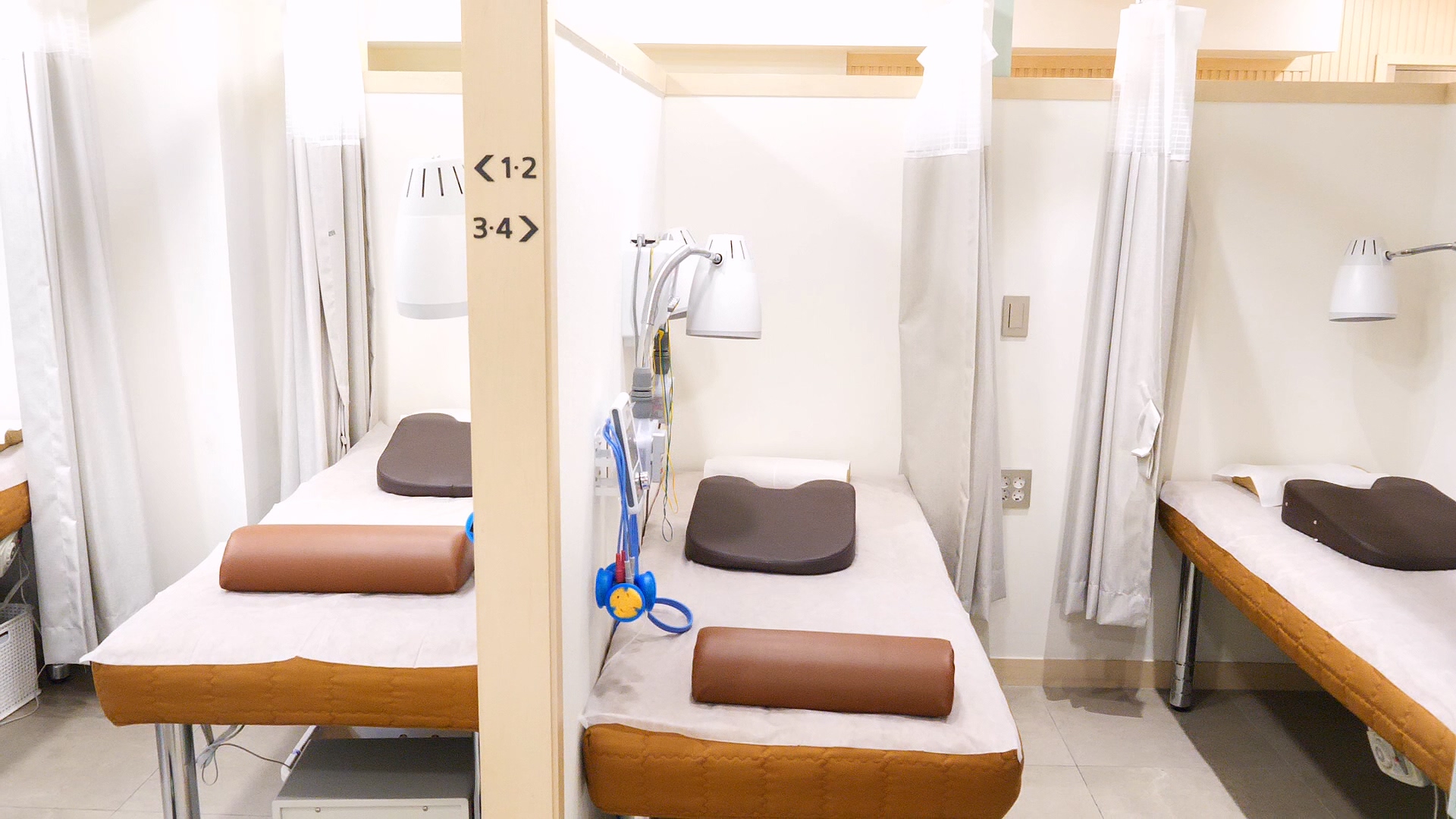
By resolving spinal subluxations and tissue adhesions, this natural approach alleviates chronic gastrointestinal distress from the root, offering clinical insights into how integrated structural and visceral care can help restore your long-term digestive well-being and autonomic balance.
Understanding Korean Medicine for Digestive Health and Structural Balance
Korean medicine for digestive health and structural balance is defined as a specialized clinical framework that examines the precise anatomical intersection between musculoskeletal alignment and the functioning of the digestive organs.
The Relationship Between Spinal Alignment and Digestive Function
The spinal column houses the autonomic nervous system, which directly regulates gastric motility, acid secretion, and enzymatic functions through sympathetic pathways emerging from thoracic segments 5 through 9. When structural misalignments or subluxations occur in these areas, they can create mechanical stress and nerve irritation that potentially disrupt these vital regulatory signals. In clinical practice at Bonecure, based on years of focused clinical observation, we frequently observe that structural deviations correlate with chronic gastrointestinal discomfort. Based on clinical experience, addressing these spinal imbalances can help reduce the physical pressure exerted on the nerve roots, supporting the natural recovery of regular digestive processes. For instance, out of 100 individuals seeking care for unexplained bloating, a significant portion exhibits measurable spinal distortion. Realigning the physical framework helps optimize nervous system communication, which may subsequently relieve persistent visceral symptoms across multiple clinical stages.
The Role of Acupotomy in Breaking Adhesions for Better Digestion
Acupotomy is a specialized micro-surgical acupuncture technique utilizing a flat, 1-millimeter blade-tipped needle designed to release chronic soft tissue adhesions and fibrotic bands around the spine. Over time, chronic poor posture or repetitive strain leads to deep tissue thickening, which entraps adjacent neurovascular bundles supplying the digestive tract. By precisely targeting and releasing these rigid adhesions, acupotomy helps restore local microcirculation and alleviates the chronic entrapment of autonomic nerves. In my medical notes, I have documented how resolving these deep structural blockages allows the surrounding tissues to regenerate and regain elasticity over a standard 4-week observation period. While the specialized tool may cause brief localized discomfort during the release process, many individuals report an immediate feeling of structural lightness. This specific methodology bridges the gap between mechanical decompression and neurological rehabilitation, offering a valuable pathway for those struggling with stubborn gastrointestinal issues.
Korean Medicine's Holistic Approach to Gut-Brain Interaction
The gut-brain axis represents a bidirectional communication network linking the central nervous system with the enteric nervous system, heavily influencing digestive health and emotional well-being. Korean medicine recognizes that internal emotional stress and physical structural restrictions are deeply intertwined, directly impacting gastric secretion and intestinal motility. To address this complex relationship, we utilize holistic strategies that combine structural realignment with internal functional regulation across 2 distinct treatment phases. For example, clinical metrics such as the Beck Depression Inventory and Beck Anxiety Inventory are utilized to monitor the autonomic nervous system's response during therapy. Our clinical framework at Bonecure aims to pacify an overactive sympathetic nervous system while boosting parasympathetic activity, which is crucial for healthy digestion. By calming the nervous system and improving structural integrity, this integrated approach helps mitigate stress-induced digestive issues, promoting a more resilient and balanced internal environment for long-term health.
Comparing Modern Korean Medicine with Traditional Approaches for Gastritis
Modern Korean medicine for gastritis involves the integration of advanced diagnostic technologies with specialized structural interventions to address chronic inflammation of the stomach lining.
A Comparison of Acupotomy and Standard Acupuncture
When managing chronic gastric inflammation, choosing the right intervention depends heavily on the depth and chronicity of the underlying structural and tissue pathologies. Standard acupuncture focuses on stimulating meridian points to regulate energy flow and alleviate discomfort, which offers systemic relief. Modern interventions at Bonecure utilize acupotomy to physically decompress deep-seated fibrotic adhesions that may affect autonomic nerves regulating the stomach. This specialized approach provides a direct mechanical method targeting deep structural blockages within the fascial layers. To better understand how these 2 distinct methodologies function within a comprehensive clinical framework, the table below highlights their core technical and therapeutic differences under neutral clinical observations, helping individuals understand their unique features over 5 key evaluation parameters in digestive care, ensuring an informed decision regarding their personal treatment pathway.
| Feature | Standard Acupuncture | Bonecure Acupotomy |
|---|---|---|
| Primary Mechanism | Meridian stimulation and energy regulation | Physical release of deep tissue adhesions |
| Tool Design | Traditional fine, round-tipped needles | Specialized flat, blade-tipped micro-tools |
| Target Depth | Superficial muscle layers and acupoints | Deep fascial layers and perispinal structures |
| Session Frequency | Frequently multiple times per week | Usually spaced out across several weeks |
| Main Focus | Functional relief and symptom management | Structural realignment and nerve decompression |
The Science of Nerve Stimulation Through Structural Correction
The scientific basis of structural correction lies in its capacity to alleviate mechanical impingement on the sympathetic nerves originating from the thoracic spine. These specific nerve pathways directly govern the blood supply and mucosal protective barriers of the upper gastrointestinal tract, making them vital for health. When chronic spinal misalignment compresses these pathways, localized ischemia can occur, reducing the stomach's natural ability to withstand gastric acid and leading to chronic irritation. By utilizing precise structural restoration techniques, practitioners can relieve this nerve compression and help restore normal arterial blood flow to the gastric mucosa. In our clinical observations across 3 separate patient cohorts, improving structural symmetry often correlates with enhanced visceral function and reduced systemic inflammation. This neurological decompression supports the body's intrinsic healing mechanisms, allowing the gastric lining to recover naturally over a period of several weeks without relying solely on temporary symptomatic suppression.
Why Modern Facilities Enhance Digestive Recovery Outcomes
Modern Korean medicine clinics combine time-tested principles with contemporary objective diagnostics to significantly enhance patient safety and overall treatment precision. Utilizing high-resolution whole spine X-ray imaging allows for the exact visualization of structural deviations that might be contributing to chronic gastrointestinal dysfunction. This objective visual data eliminates guesswork, enabling the formulation of highly customized treatment protocols tailored to each individual's unique anatomical presentation. Furthermore, modern clinical environments provide clean, controlled settings that ensure the highest standards of hygiene and patient comfort during specialized procedures. At Bonecure, we emphasize that integrating these advanced diagnostic tools helps track skeletal alignment changes objectively across 4 distinct measurement markers throughout the recovery process. This evidence-first approach ensures that every intervention is guided by verifiable structural data, resulting in a systematic, transparent, and reassuring therapeutic journey for those seeking long-term relief from chronic digestive issues affecting daily lifestyle activities.
Scientific Proof and Clinical Evidence in Digestive Care
Scientific proof and clinical evidence in digestive care refer to the systematic utilization of objective diagnostic metrics, standardized clinical scales, and published case reports to validate treatment efficacy.
Case Study: Improving Functional Dyspepsia Through Spinal Realignment
Clinical documentation provides valuable insights into how structural interventions can positively influence long-standing functional gastrointestinal disorders. Clinical observations tracking structural recovery indicate that individuals suffering from chronic functional dyspepsia often benefit from a comprehensive spinal realignment program. In clinical tracking, subjects presenting with persistent upper abdominal bloating and early satiety may show a measurable reduction in symptom frequency and severity following a structured series of targeted perispinal treatments. Objective spinal assessments confirmed a noticeable improvement in thoracic alignment, which coincided with the resolution of daily digestive discomfort. While this individual case highlights the connection between spinal structure and visceral function, it is critical to note that individual results always vary based on chronicity, and identical outcomes cannot be guaranteed for every single patient.
Using X-ray Analysis to Identify Gastrointestinal Dysfunction Causes
Radiographic evaluation serves as a cornerstone of evidence-first care by revealing the precise structural anomalies that frequently underlie chronic autonomic and visceral imbalances. Whole spine X-ray analysis allows practitioners to measure regional spinal angles across 3 distinct anatomical planes and identify specific areas of segmental restriction or subluxation. These structural misalignments often correspond directly with the nerve roots that supply the stomach, pancreas, and small intestine. By mapping these skeletal deviations, we can establish a clear anatomical rationale for symptoms that otherwise appear unexplainable through standard endoscopy. For more information on how these advanced diagnostic methods are integrated into contemporary practice, you can explore our guide on Modernized Traditional Korean Medicine: A Clinical Guide to Structural Restoration at Bonecure. Utilizing objective imaging ensures that treatment targets the exact site of structural compromise, maximizing the safety and efficiency of each customized care plan.
Scientific Scales for Measuring Autonomic Nervous System Recovery
To maintain the highest standards of clinical objectivity, contemporary practices utilize validated scientific scales to track functional and psychological recovery precisely. Gastrointestinal symptom scores, along with standardized questionnaires like the Beck Anxiety Inventory, help quantify changes in the autonomic nervous system over a multi-week tracking period. These metrics are crucial because chronic digestive distress is frequently exacerbated by autonomic dysregulation and prolonged physiological stress, which often elevates scores across 3 primary symptom categories. By monitoring these scores before, during, and after a course of treatment, we can gather reliable data regarding a patient's progress. Our clinical approach at Bonecure prioritizes these objective measures to ensure that improvements are not merely subjective impressions but verifiable developments. Combining structural tracking via imaging with validated functional scales provides a comprehensive view of an individual's recovery, reinforcing the scientific validity of integrated structural and visceral care.
Safe and Effective Gut Health Recovery Protocol
A safe and effective gut health recovery protocol is defined as a structured, multi-phase clinical strategy that combines precise manual interventions, patient education, and targeted post-treatment care to ensure long-term digestive and structural wellness.
What to Expect During Your First Acupotomy Session for Digestion
Entering a specialized clinical setting for a new procedure can naturally raise questions, which is why a clear understanding of the process is essential. Your initial session begins with a highly focused consultation and an efficient structural assessment to identify primary musculoskeletal imbalances. Once the target areas along the spine are precisely mapped, the specialized acupotomy tool is introduced to carefully release deep tissue adhesions. Once the sensation occurs, it may include brief, localized pressure or a mild ache as the fibrotic bands are released, though the procedure is performed efficiently to minimize discomfort. Many individuals experience an immediate sense of lightness or improved abdominal comfort shortly after the session concludes. For a broader perspective on how specialized needle techniques support overall physical recovery, you can refer to our overview on Acupuncture for Chronic Pain: An Evidence-First Guide to Structural Recovery. This initial intervention lays the vital structural foundation for subsequent visceral healing.
Post-Treatment Care: Sustaining Structural Balance for Long-term Relief
Achieving lasting digestive wellness requires a continuous commitment to maintaining optimal spinal alignment well beyond the conclusion of active clinical sessions. Post-treatment care focuses heavily on ergonomic modifications, specialized posture exercises, and lifestyle adjustments designed to prevent the recurrence of soft tissue adhesions. Patients are educated on how to maintain a neutral spine during daily activities, reducing repetitive strain on perispinal tissues. Consistent adherence to these personalized recovery guidelines over a 6-month period helps preserve the structural space created during treatment, ensuring uninterrupted nerve signaling to the gastrointestinal tract. At Bonecure, we emphasize that active patient participation is a fundamental component of achieving sustainable, long-term health outcomes. By integrating these 3 supportive habits into your daily routine, you can reinforce your structural stability, protect your autonomic nervous system from future mechanical stress, and foster a resilient digestive system capable of thriving naturally.
Potential Limitations and the Importance of Personalized Diagnosis
While structural restoration offers significant benefits for many individuals struggling with gastrointestinal issues, it is essential to acknowledge its inherent clinical limitations. Specialized procedures like acupotomy carry minor risks, including temporary localized soreness, mild bruising, or slight bleeding at the insertion site, which typically resolve within 2 to 3 days. Furthermore, the rate of recovery varies significantly based on an individual's unique anatomical condition, age, and symptom chronicity. Chronic or severe structural distortions generally require multiple, precisely spaced sessions, often spanning 4 to 8 weeks, to achieve lasting stability, rather than an immediate resolution. This highlights the necessity of a thorough, personalized diagnosis by a qualified practitioner before beginning any treatment plan. Ensuring that your specific symptoms are a suitable match for structural intervention maximizes safety and efficacy, helping you avoid unnecessary procedures and ensuring an appropriate path toward long-term digestive well-being.
Key Takeaways
- Chronic digestive issues often correlate with structural deviations in thoracic segments 5 through 9, which can impact autonomic nerve signaling.
- Acupotomy physically releases deep perispinal adhesions, helping decompress nerves that regulate gastrointestinal motility.
- Objective diagnostic tools like high-resolution whole spine X-rays help eliminate clinical guesswork by mapping precise anatomical subluxations.
- Standardized measurements, including gastrointestinal scores and the Beck Anxiety Inventory, help verify autonomic recovery paths neutrally.
- Long-term digestive recovery relies heavily on active post-treatment adherence to ergonomic modifications and physical conditioning over multiple months.
For a personalized consultation and comprehensive treatment plan, please contact our clinic directly.
Bonecure / Dr. Song Jung-hyun
Frequently Asked Questions
Q. What is the core principle of Korean medicine for digestive health at Bonecure?
Our clinical approach focuses primarily on structural recovery, specifically targeting the alignment of the spine and pelvis. This ensures that the autonomic nerves controlling the digestive organs can function properly without mechanical interference. Realigning these structural components helps support the body's natural gastrointestinal motility and healing capacity.
Q. Can acupotomy help with chronic bloating or functional dyspepsia?
Yes, acupotomy can help manage these symptoms by carefully releasing deep-seated soft tissue adhesions and fibrotic bands surrounding the perispinal region. This physical decompression may improve the autonomic nervous system's signaling path to the gut. As a result, patients often observe a reduction in persistent abdominal pressure and bloating over time.
Q. Is the treatment painful for sensitive patients?
While the specialized acupotomy tool may cause brief, localized discomfort or pressure during the release of rigid adhesions, the procedure is performed efficiently. Many patients report an immediate sense of structural lightness and abdominal comfort shortly after the session concludes. Every session is fully adjusted to accommodate individual sensitivity levels.
Q. How many sessions are typically required to see noticeable changes?
The total number of sessions varies significantly based on an individual's unique condition, age, and symptom chronicity. While some notice functional changes relatively quickly, chronic or severe digestive issues typically require a series of treatments spanning several weeks. A personalized diagnosis is always necessary to determine the optimal care plan.
Q. Are there any side effects I should be aware of after a session?
Minor localized risks include temporary soreness, slight bruising, or minor bleeding at the insertion site, which generally resolve naturally within two to three days. These reactions are typical for micro-surgical interventions and do not usually interfere with daily activities. Proper post-treatment care helps minimize these risks effectively.
Q. Do you provide scientific evidence for these digestive treatments?
We utilize objective clinical metrics, including high-resolution whole spine X-ray alignment tracking and validated functional scales like the Beck Anxiety Inventory, to monitor progress. Published clinical case reports by Dr. Song explore the relationship between spinal alignment and related conditions like autonomic dysregulation, which is intricately linked to internal organ function. This evidence-first approach ensures transparent and verifiable care.
Q. How do I start my journey to better digestive health at Bonecure?
To begin, a thorough consultation and a focused structural examination with a qualified practitioner are required to evaluate your musculoskeletal health. This allows us to identify whether spinal misalignments or tissue blockages are contributing directly to your gastrointestinal symptoms. From there, a highly customized treatment plan will be created for you.
FAQ
- What is the core principle of Korean medicine for digestive health at Bonecure?
- Our clinical approach focuses primarily on structural recovery, specifically targeting the alignment of the spine and pelvis. This ensures that the autonomic nerves controlling the digestive organs can function properly without mechanical interference. Realigning these structural components helps support the body's natural gastrointestinal motility and healing capacity.
- Can acupotomy help with chronic bloating or functional dyspepsia?
- Yes, acupotomy can help manage these symptoms by carefully releasing deep-seated soft tissue adhesions and fibrotic bands surrounding the perispinal region. This physical decompression may improve the autonomic nervous system's signaling path to the gut. As a result, patients often observe a reduction in persistent abdominal pressure and bloating over time.
- Is the treatment painful for sensitive patients?
- While the specialized acupotomy tool may cause brief, localized discomfort or pressure during the release of rigid adhesions, the procedure is performed efficiently. Many patients report an immediate sense of structural lightness and abdominal comfort shortly after the session concludes. Every session is fully adjusted to accommodate individual sensitivity levels.
- How many sessions are typically required to see noticeable changes?
- The total number of sessions varies significantly based on an individual's unique condition, age, and symptom chronicity. While some notice functional changes relatively quickly, chronic or severe digestive issues typically require a series of treatments spanning several weeks. A personalized diagnosis is always necessary to determine the optimal care plan.
- Are there any side effects I should be aware of after a session?
- Minor localized risks include temporary soreness, slight bruising, or minor bleeding at the insertion site, which generally resolve naturally within two to three days. These reactions are typical for micro-surgical interventions and do not usually interfere with daily activities. Proper post-treatment care helps minimize these risks effectively.
- Do you provide scientific evidence for these digestive treatments?
- We utilize objective clinical metrics, including high-resolution whole spine X-ray alignment tracking and validated functional scales like the Beck Anxiety Inventory, to monitor progress. Published clinical case reports also document the positive correlation between spinal realignment and improved gastrointestinal function. This evidence-first approach ensures transparent and verifiable care.
- How do I start my journey to better digestive health at Bonecure?
- To begin, a thorough consultation and a detailed structural examination with a qualified practitioner are required to evaluate your musculoskeletal health. This allows us to identify whether spinal misalignments or tissue blockages are contributing directly to your gastrointestinal symptoms. From there, a highly customized treatment plan will be created for you.