
Post
A 2026 Clinical Guide to Post-Traffic Accident Recovery Clinic: The Bonecure Structural Approach
Hello, I am Song Jung-hyun, a practitioner who has long focused on Acupotomy and structural restoration. A specialized post-traffic accident recovery clinic is a healthcare facility dedicated to the systematic rehabilitation of individuals who have sustained musculoskeletal and neurological injuries following a vehicular collision.
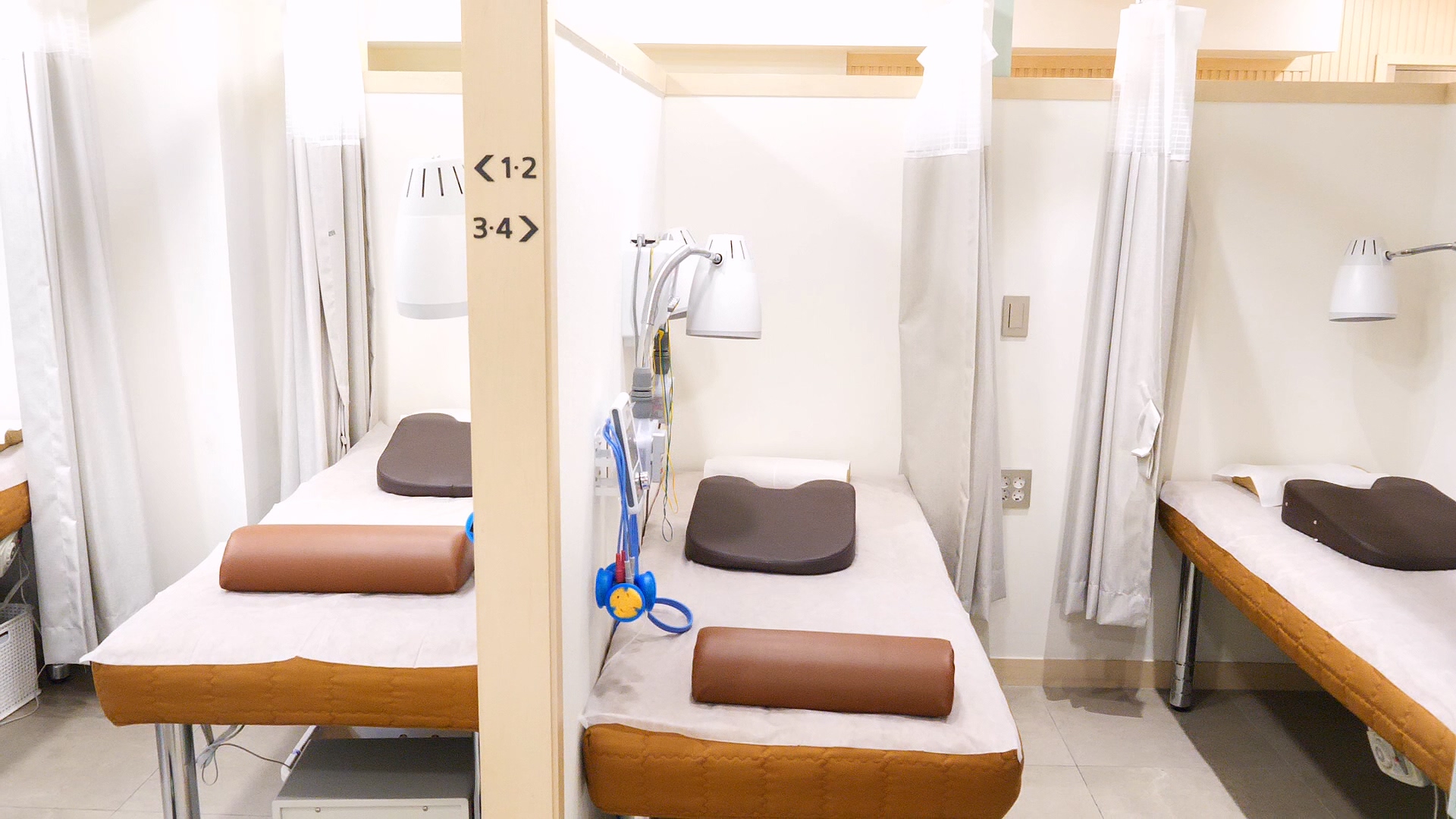
These clinics prioritize the identification of both acute injuries and underlying structural imbalances that may not be immediately apparent but could lead to chronic dysfunction. By integrating traditional wisdom with modern diagnostic tools, a recovery clinic aims to restore the patient's pre-accident health and prevent long-term disability through evidence-based interventions.
What is a Specialized Post-Traffic Accident Recovery Clinic?
Comprehensive rehabilitation after a collision involves identifying the subtle, often invisible damage that occurs when the body absorbs significant kinetic energy. At Bonecure, we believe that the force of a collision often creates invisible micro-adhesions within the fascia and muscle layers, which can restrict blood flow and nerve conduction. This systematic approach ensures that the cervical and lumbar regions are evaluated not as isolated parts but as components of a unified kinetic chain. By addressing these deep-seated issues early, we strive to help prevent the development of secondary conditions like chronic fatigue or persistent dizziness. Our clinical focus remains on identifying the root cause of discomfort, ensuring that patients receive a customized roadmap for recovery. This holistic perspective is essential for individuals who may feel fine initially but experience a sudden decline in physical performance weeks after the trauma occurred, highlighting the necessity of professional structural oversight for long-term health stabilization.
The Role of Integrative Medicine in Trauma Recovery
Integrative medicine plays a pivotal role in trauma recovery by combining structural manipulation with specialized needle therapies to address both the physical and neurological consequences of an accident. In my clinical experience, utilizing Acupotomy for post-accident patients allows us to target rigid tissues that have lost their elasticity due to sudden impact. Unlike superficial treatments, this approach focuses on releasing internal adhesions that may be impinging on nerves or restricting spinal mobility. By restoring the natural flow of energy and circulation, we create an environment conducive to cellular regeneration and structural healing. Patients often report that this dual focus helps resolve not only the sharp localized pain but also the systemic malaise that frequently follows a traumatic event. This integrative strategy ensures that the body's self-healing mechanisms are fully activated, providing a more comprehensive recovery than addressing symptoms alone. We utilize standardized scales for anxiety and headaches to track these functional improvements objectively over time.
Why Immediate Diagnosis is Critical for Long-Term Health
Immediate diagnosis is critical because many traffic accident injuries involve a delayed onset of symptoms, often referred to as a latent period. During this time, the body may attempt to compensate for structural shifts, leading to abnormal wear and tear on joints and the spine. At Bonecure, we emphasize that early intervention can prevent these temporary compensations from becoming permanent postural deformities. Clinical observations suggest that early intervention after a rear-end collision can help address cervical misalignment before it potentially progresses into chronic radiculopathy, though individual recovery timelines vary. We utilize whole-spine X-ray analysis to detect these minute shifts in alignment that might be missed during a standard physical exam. By documenting these changes early, we can implement a targeted plan to restore structural integrity. Failing to diagnose these issues early can lead to years of intractable pain, as the body's internal adhesions become more fibrous and difficult to release as time passes.
Common Symptoms and Hidden Injuries Addressed in Recovery
Managing whiplash and spinal misalignment is a primary concern in post-accident recovery, as the sudden acceleration-deceleration forces can displace vertebrae by several millimeters. These displacements, though small, can lead to significant neurological interference and chronic muscle tension. Recovery clinics focus on realigning these structures to alleviate pressure on the spinal cord and exiting nerve roots. By restoring the natural curvature of the spine, practitioners can help reduce the frequency of tension headaches and radiating limb pain that often plague accident survivors. This structural correction is fundamental to preventing the long-term degeneration of spinal discs and supporting tissues.
Managing Whiplash and Spinal Misalignment
Whiplash is one of the most common yet complex injuries treated at Bonecure, often involving multi-level strain of the cervical ligaments. When the head is jerked violently, the soft tissues surrounding the neck can develop micro-tears that heal as rigid scar tissue, or adhesions. These adhesions can lock the cervical vertebrae in a state of misalignment, leading to restricted range of motion and persistent dull aches. In our clinic, we focus on identifying the exact location of these restrictions through tactile examination and diagnostic imaging. Restoring the natural lordotic curve of the neck is essential for reducing the mechanical stress on the entire spinal column. While individual results vary, focused structural restoration has helped many patients regain full mobility and significantly reduce their reliance on temporary pain relief. We aim to ensure that the spine returns to its optimal state, allowing the nervous system to function without the interference caused by post-traumatic structural shifts or persistent tissue inflammation.
Addressing Autonomic Nervous System Dysregulation Post-Trauma
Autonomic nervous system dysregulation is a frequently overlooked consequence of traffic accidents, manifesting as dizziness, nausea, or heightened anxiety. This occurs when trauma to the upper cervical spine affects the vagus nerve or the sympathetic chain, disrupting the body's internal balance. At Bonecure, we address these symptoms by focusing on the relationship between spinal alignment and nervous system stability. For example, in cases involving post-traumatic tinnitus, targeted structural intervention aims to help reduce symptom severity, though clinical outcomes depend entirely on the individual patient's condition. By stabilizing the structural foundation, we help the body exit the fight-or-flight state that trauma often induces. This stabilization is crucial for restoring sleep patterns and digestive health, which are often disrupted after a collision. Providing a calm, structured environment for the nervous system to recover is just as important as treating the physical wounds. Our goal is to facilitate a return to systemic equilibrium through careful, evidence-based structural adjustments and specialized acupuncture techniques.
Recognizing Delayed Concussion Symptoms and Internal Adhesions
Delayed concussion symptoms and internal adhesions represent hidden challenges that can significantly hinder a patient's quality of life if left untreated. Patients may not experience cognitive fog, light sensitivity, or memory issues until several days or even weeks after the initial impact. These neurological symptoms are often linked to the inflammatory response and structural tension within the craniosacral system. Simultaneously, internal adhesions within the deep muscle layers can create a sense of tightness that persists even after visible bruising has healed. At Bonecure, we use specialized micro-blade therapy to release these deep-seated restrictions, promoting better blood flow to the affected areas. This process is essential for flushing out inflammatory markers and providing the nutrients necessary for tissue repair. Understanding the timeline of these hidden injuries allows us to provide a more accurate prognosis and a more effective treatment schedule. Addressing both the neurological and physical aspects of these hidden injuries is the cornerstone of our comprehensive post-accident recovery protocol in 2026.
Comparative Approaches: Traditional Care vs. Advanced Acu-Point Release
When choosing a recovery path, it is important to understand the differences between traditional care and advanced techniques like Acu-Point Release. Traditional physical therapy often focuses on strengthening muscles and improving surface mobility, which is beneficial for many patients. However, specialized structural restoration at Bonecure focuses on the deeper fascial layers and the precise alignment of the skeletal system to address the root cause of chronic pain. By comparing these modalities, patients can make an informed decision about which approach best suits their specific trauma and recovery goals.
| Feature | Traditional Physical Therapy | Bonecure Structural Restoration |
|---|---|---|
| Primary Goal | Symptom management and mobility | Adhesion release and alignment |
| Technique | Exercise and surface modalities | Acupotomy and structural Chuna |
| Depth | Superficial muscle groups | Deep fascial and ligamentous layers |
| Focus | Localized pain relief | Whole-spine structural integrity |
| Outcome | Functional mobility support | Structural alignment management |
Comparing Physical Therapy and Specialized Acu-Point Therapy
Choosing between physical therapy and specialized Acu-point therapy depends on the depth and nature of the injuries sustained during the accident. Physical therapy is excellent for restoring general movement and building muscle support around injured joints through guided exercise. In contrast, the specialized Acupotomy used at Bonecure targets the chronic adhesions that physical therapy might not reach. These adhesions act like internal glue, binding muscles and nerves together in a way that limits the effectiveness of traditional stretching. By surgically releasing these points with a micro-blade needle, we can achieve immediate changes in tissue tension. In my clinical experience, patients who combine both approaches often see the most robust results, as the release of adhesions allows for more effective strengthening exercises. It is not a matter of which is better, but which tool is most appropriate for the specific stage of healing. For chronic or severe cases, addressing the structural restrictions first is often the key to unlocking the benefits of traditional rehabilitation exercises later on.
Structural Realignment vs. Symptom Suppression
There is a fundamental difference between suppressing symptoms with medication and achieving true structural realignment through clinical intervention. While anti-inflammatory drugs can provide temporary relief, they do not address the physical displacement of vertebrae or the formation of internal scar tissue. At Bonecure, our focus is on the latter, ensuring that the body's framework is returned to its proper position. Structural realignment focuses on addressing the underlying mechanical triggers of discomfort to support long-term stability, rather than solely managing immediate symptoms. Clinical experience indicates that structural recovery is a gradual process requiring persistence, where the required number of sessions varies significantly based on the severity of the trauma and individual patient factors. By prioritizing the integrity of the spine and joints, we help prevent the recurrence of symptoms once the acute inflammatory phase has passed. This evidence-first approach is designed to support the body's natural healing mechanisms and promote overall physical well-being. We believe that when the structural foundation is sound, the rest of the body can function at its peak potential.
The Recovery Process at Bonecure: From Adhesion Release to Regeneration
The recovery process at Bonecure is a multi-stage journey that begins with the precise release of internal adhesions and concludes with the regeneration of healthy tissue. We utilize advanced micro-blade therapy to address rigid, painful areas where the body has formed excessive scar tissue following an accident. This is followed by specialized manipulation to ensure the spine is properly aligned, allowing for optimal nervous system function. Each patient receives a tailored plan designed to provide both immediate relief and lasting structural health, ensuring a comprehensive return to wellness.
Micro-Blade Therapy for Deep Tissue Adhesion Release
Micro-blade therapy, or Acupotomy, is the cornerstone of our treatment for deep tissue adhesions at Bonecure. During a traffic accident, the sudden strain often causes the fascia to clump together, creating painful trigger points and restricting blood flow. Our specialized needles are designed to gently part these fibers, restoring the natural sliding motion between muscle layers. While this procedure may involve brief discomfort, many patients report an immediate improvement in mobility and a reduction in the dull, heavy sensation typical of chronic trauma. This release is essential for allowing the body to flush out metabolic waste and bring in the oxygenated blood required for tissue repair. In my practice, I have observed that releasing these deep adhesions is often the turning point for patients who have seen little progress with other treatments. It is important to note that minor side effects such as temporary soreness, localized bruising, or slight bleeding may occur at the treatment site. However, these are typically short-lived and are a natural part of the tissue's transition from a state of stagnation to one of active healing and regeneration.
Restoring Spinal Curvature through Specialized Manipulation
Restoring the natural curvature of the spine is vital for long-term health, as the spine serves as the primary conduit for the nervous system. After an accident, the spine often loses its healthy curves, becoming too straight or overly tilted, which puts immense pressure on the intervertebral discs. At Bonecure, we use specialized structural Chuna to gently guide the vertebrae back into their optimal positions. This is not just about popping joints but about retraining the supporting ligaments and muscles to hold a healthy alignment. We track this progress using Whole-spine X-ray analysis to ensure that the changes are objective and measurable. A properly aligned spine reduces the risk of future injury and helps stabilize the autonomic nervous system, leading to better overall health. For patients with complex or chronic conditions, this process may require multiple sessions to ensure that the body accepts and maintains the new, healthier alignment. Our goal is to create a stable structural foundation that supports the body's movements and protects the delicate nerves that govern every bodily function, from digestion to cognitive processing.
2026 Clinical Guide to Acupotomy and Structural Recovery for Intractable Pain: The Bonecure Method
Frequently Asked Questions
Q. When should I visit a post-traffic accident recovery clinic?
It is highly recommended to seek an evaluation immediately after an accident, even if you do not feel immediate pain. Many musculoskeletal and neurological symptoms, such as whiplash or autonomic dysregulation, have a delayed onset that may not manifest for several days or weeks. Early diagnosis at Bonecure allows us to identify hidden structural shifts before they become chronic issues.
Q. What is the primary goal of treatment at Bonecure for accident victims?
The primary goal is to achieve fundamental recovery by releasing internal adhesions in the soft tissues and restoring the structural balance of the spine. We aim to address the root cause of pain rather than just suppressing symptoms, which helps prevent the development of long-term chronic conditions. Our focus is on long-term structural integrity and nervous system stability.
Q. Is Acu-point Release therapy painful during the recovery process?
Acu-point Release therapy, specifically Acupotomy, may involve brief discomfort or a sharp sensation as the specialized micro-blade needle releases rigid, adhered tissues. However, most patients report that this temporary sensation is followed by immediate relief in mobility and a reduction in deep, dull pain. We prioritize patient comfort and adjust the intensity based on individual tolerance.
Q. Can structural changes from an accident be objectively measured?
Yes, we utilize objective diagnostic tools such as whole-spine X-ray analysis to track the alignment of your vertebrae and joints. Additionally, we use standardized clinical scales to measure changes in symptoms like headaches, dizziness, and anxiety. This data-driven approach allows us to monitor your progress and adjust your recovery plan for the best possible results.
Q. How many sessions are typically required for full recovery?
The number of sessions varies significantly based on the severity of the trauma, the patient's age, and their pre-existing health status. While some patients feel improvement after just a few visits, chronic or severe cases may require a structured plan of 10 to 20 sessions to ensure the structural changes are permanent. We provide a customized timeline after your initial assessment.
Q. Are there any side effects to the specialized treatments used for trauma?
Minor side effects such as temporary soreness, localized bruising, or slight bleeding at the treatment site may occur following Acupotomy or structural manipulation. These reactions are typically mild and resolve within a few days as the tissue begins to heal. We provide detailed aftercare instructions to help manage any temporary discomfort during your recovery journey.
Q. Does Bonecure handle autonomic nervous system issues caused by accidents?
Yes, we specialized in treating autonomic symptoms like dizziness, nausea, and anxiety that often follow a concussion or spinal trauma. By focusing on cervical alignment and releasing tension in the upper neck, we help stabilize the nervous system and restore the body's internal balance. This holistic approach is essential for a complete recovery from the systemic effects of an accident.
Key Takeaways
- Post-accident recovery clinics focus on identifying and treating invisible structural damage like micro-adhesions and spinal shifts.
- Immediate diagnosis at Bonecure is essential to prevent delayed symptoms from becoming chronic, debilitating conditions.
- Acupotomy (Micro-blade therapy) effectively releases deep tissue adhesions that traditional physical therapy may not reach.
- Structural restoration involves realigning the spine to improve both musculoskeletal health and autonomic nervous system function.
- Recovery is a phased process that requires objective tracking through X-rays and standardized scales for lasting results.
Bonecure Clinic / Director Song Jung-hyun
FAQ
- When should I visit a post-traffic accident recovery clinic?
- It is highly recommended to seek an evaluation immediately after an accident, even if you do not feel immediate pain. Many musculoskeletal and neurological symptoms, such as whiplash or autonomic dysregulation, have a delayed onset that may not manifest for several days or weeks. Early diagnosis at Bonecure allows us to identify hidden structural shifts before they become chronic issues.
- What is the primary goal of treatment at Bonecure for accident victims?
- The primary goal is to achieve fundamental recovery by releasing internal adhesions in the soft tissues and restoring the structural balance of the spine. We aim to address the root cause of pain rather than just suppressing symptoms, which helps prevent the development of long-term chronic conditions. Our focus is on long-term structural integrity and nervous system stability.
- Is Acu-point Release therapy painful during the recovery process?
- Acu-point Release therapy, specifically Acupotomy, may involve brief discomfort or a sharp sensation as the specialized micro-blade needle releases rigid, adhered tissues. However, most patients report that this temporary sensation is followed by immediate relief in mobility and a reduction in deep, dull pain. We prioritize patient comfort and adjust the intensity based on individual tolerance.
- Can structural changes from an accident be objectively measured?
- Yes, we utilize objective diagnostic tools such as whole-spine X-ray analysis to track the alignment of your vertebrae and joints. Additionally, we use standardized clinical scales to measure changes in symptoms like headaches, dizziness, and anxiety. This data-driven approach allows us to monitor your progress and adjust your recovery plan for the best possible results.
- How many sessions are typically required for full recovery?
- The number of sessions varies significantly based on the severity of the trauma, the patient's age, and their pre-existing health status. While some patients feel improvement after just a few visits, chronic or severe cases may require a structured plan of 10 to 20 sessions to ensure the structural changes are permanent. We provide a customized timeline after your initial assessment.
- Are there any side effects to the specialized treatments used for trauma?
- Minor side effects such as temporary soreness, localized bruising, or slight bleeding at the treatment site may occur following Acupotomy or structural manipulation. These reactions are typically mild and resolve within a few days as the tissue begins to heal. We provide detailed aftercare instructions to help manage any temporary discomfort during your recovery journey.
- Does Bonecure handle autonomic nervous system issues caused by accidents?
- Yes, we specialized in treating autonomic symptoms like dizziness, nausea, and anxiety that often follow a concussion or spinal trauma. By focusing on cervical alignment and releasing tension in the upper neck, we help stabilize the nervous system and restore the body's internal balance. This holistic approach is essential for a complete recovery from the systemic effects of an accident.