
Post
A 2026 Clinical Guide to Structural and Autonomic Analysis for Wellness at Bonecure
At Bonecure Korean Medicine Clinic, we provide a sophisticated diagnostic framework that focuses on structural alignment and autonomic nervous system health to deliver personalized medical care.
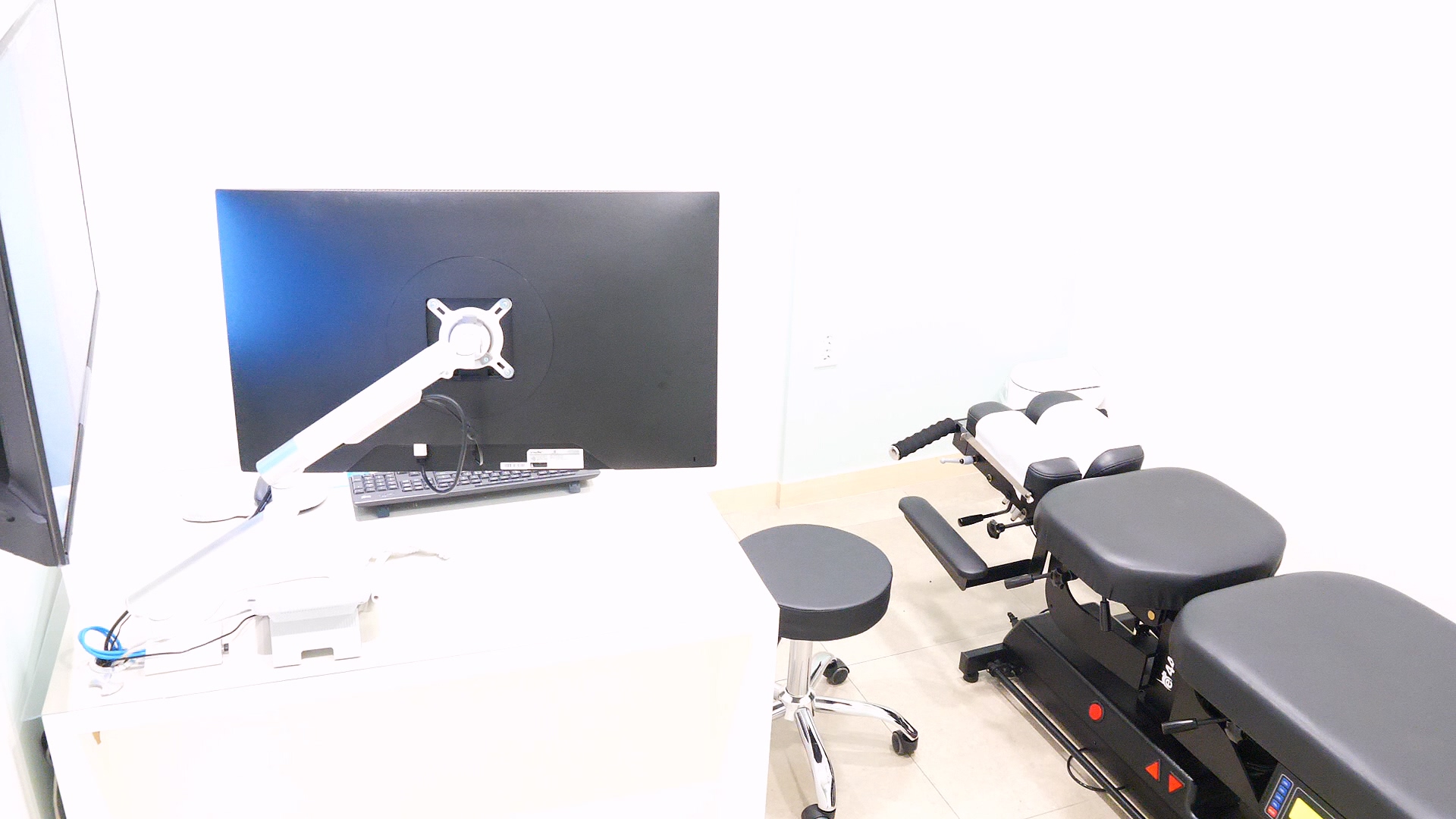
By identifying the root causes of pain through comprehensive body type and movement evaluations, we move beyond simply masking symptoms. Rather than following a one-size-fits-all approach, we focus on the unique structural imbalances and functional irregularities of each patient. At Bonecure, I utilize this detailed analysis to restore harmony to your body, ensuring that every therapeutic intervention—including Chuna and acupotomy—is aligned with your specific physiological needs. This evidence-based approach allows us to achieve precise and immediate outcomes for patients seeking lasting recovery in 2026. By correcting the structural foundations, we ensure that the nervous system functions at its peak, allowing for systemic healing and improved daily vitality.
Understanding Structural and Autonomic Analysis
Structural and autonomic analysis is defined as a systematic evaluation of an individual's physical alignment, movement patterns, and nervous system function. This method, rooted in modern diagnostic approaches and clinical expertise, seeks to identify the unique mechanical stressors and physiological vulnerabilities of a patient. By determining how a patient's skeletal structure interacts with their internal organ functions, we can predict their body's response to injury and chronic stress. This allows for a proactive and highly efficient healthcare strategy tailored to the individual.
Defining the Diagnostic Framework
Our diagnostic framework at Bonecure avoids generalized categories, focusing instead on a patient's specific anatomical proportions and metabolic tendencies. We assess how the cranial and spinal systems distribute force, identifying susceptibility to conditions like cervical tension or pelvic instability. Each patient exhibits unique structural habits that dictate their susceptibility to chronic pain. For instance, some individuals struggle with upper-crossed syndrome, while others experience autonomic fluctuations affecting digestion. At Bonecure, I utilize these precise evaluations to move beyond a generalized approach to spinal health. By understanding that every patient responds differently to mechanical stress, we develop highly targeted intervention strategies. In my clinical experience, identifying these unique patterns is the essential first step toward a recovery plan that respects your biological blueprint. Through this lens, we address the whole person by focusing on the core structures, not just isolated symptoms. This ensures that every treatment is relevant to your specific mechanical and neurological needs.
The Core Philosophy of Structural Balance
The core philosophy of our structural and autonomic analysis centers on the concept of 'Equilibrium,' where health is maintained through a dynamic balance between the skeletal frame and the nervous system. This framework posits that human vitality depends on the integrity of the spinal and cranial structures. Unlike conventional models that treat identical symptoms the same way, this approach recognizes that every individual possesses a different physical baseline. At Bonecure, I apply this philosophy by evaluating how structural misalignments manifest as physical tension or autonomic dysfunction. We believe that true healing occurs only when the structural integrity of the body is restored, allowing the nervous system to communicate without interference. This holistic view ensures that we are not merely suppressing pain but are actively working to restore the alignment that prevents future relapses. By focusing on this equilibrium, I help patients achieve a state of lasting wellness, fostering a smile from the bones outward as their natural balance is restored.
Scientific Foundations of Autonomic Analysis
Modern research continues to validate that structural alignment is a precursor to systemic health. While traditional in its origins of touch and manual therapy, our focus on phenotypic variation aligns with contemporary personalized medicine goals. At Bonecure, I integrate these traditional insights with modern tools like autonomic nervous system analysis to ensure a data-driven approach. Studies have indicated that spinal alignment correlates with specific autonomic patterns, influencing how patients process pain and inflammation. For example, clinical observations suggest that patients with high sympathetic activity often experience slower recovery from chronic muscle tension. By utilizing these scientific foundations, I can predict how a patient might react to specific Chuna techniques or acupotomy procedures. This evidence-based integration aims to enhance diagnostic precision, ensuring that every therapeutic step is grounded in clinical history and physiological understanding. While individual results may vary, this approach helps us understand the unique needs of each patient, providing a robust foundation for treating complex chronic disorders effectively.
The Diagnostic Process: How We Analyze Your Health
The diagnostic process at Bonecure is a multi-dimensional assessment of a patient's physical structure, movement quality, and physiological responses. It involves gathering data through visual observation, direct physical palpation, and detailed history-taking to build a complete profile. This intake ensures that the resulting plan reflects the true structural nature of the patient rather than just a temporary symptom, providing a stable foundation for all subsequent treatments at Bonecure.
Structural and Morphological Assessments
A critical component of our analysis involves a detailed morphological assessment of the patient’s physical frame. I examine the proportions of the spine and cranium, as specific structural habits lead to predictable patterns of wear and tear. For example, individuals with developed mid-section tension may carry excessive stress in the lumbar region, while others exhibit cervical nerve irritation due to forward head posture. During the diagnostic process, I utilize various anatomical metrics to categorize the patient’s alignment profile. These measurements allow me to identify how your unique frame distributes weight and absorbs shock during movement. By mapping these morphological traits, I can pinpoint why certain spinal segments are consistently prone to misalignment. This structural data serves as the foundation for a treatment plan that addresses both the visible postural issues and the underlying mechanical tendencies that created them, leading to sustainable alignment and improved joint function.
Autonomic and Internal Organ Evaluation
In our analysis, the structural spine and internal organ functions are viewed as an inseparable unit, making autonomic evaluation essential for a complete diagnosis. I engage with patients to understand their stress responses and digestive patterns, as these factors directly influence musculoskeletal health. At Bonecure, I have found that autonomic balance often dictates the rate of structural recovery. For instance, patients with heightened nervous system sensitivity may experience more frequent muscle spasms that hinder spinal correction. By profiling these physiological traits, I can customize the intensity and pace of the therapy to better suit the patient’s internal state. Understanding the patient's internal resilience helps me manage expectations and provide advice that resonates with their physical capacity. This physiological insight ensures that the healing process is not just a physical correction but a comprehensive restoration of well-being, acknowledging that a calm nervous system supports a stable and healthy spine.
Physiological Response and Immediate Improvement
The final pillar of our analysis involves evaluating physiological responses to direct stimulation. I monitor how the body reacts to manual pressure and movement tests, which provides insight into the degree of tissue adhesion. In my clinical practice, I have noted that immediate feedback during the evaluation can reveal underlying structural blocks before they manifest as severe pain. At Bonecure, this physiological data is cross-referenced with structural findings to create a multi-layered health profile. This process is conducted with high efficiency, usually taking between 10 to 20 minutes, providing a wealth of information that informs our intensive treatment sessions. By analyzing these responses, I can tailor acupotomy points to release specific adhesions and restore the body’s natural rhythm. This ensures that the treatment is both safe and highly effective for your specific biological type, with the 원장 personally handling every manipulation to ensure the highest level of care and immediate feedback.
Integrating Analysis with Bonecure Structural Therapy
Integrating structural analysis with Bonecure therapy involves using diagnostic insights to direct mechanical interventions like acupotomy (Chando) and Chuna. This ensures that we are not just moving joints, but are realigning the body in a way that is compatible with the patient's innate physiological patterns. By combining these disciplines, we achieve a more profound restoration of structural integrity and autonomic balance, focusing on immediate and tangible results for every patient.
Structural Tendencies and Spinal Alignment
Our analysis reveals that spinal health is influenced by both environment and innate physical structure. Every individual has a unique gravitational center that affects how the vertebrae align over time. At Bonecure, I have observed that specific torso structures lead to predictable forward head posture, while others experience frequent pelvic tilts. By recognizing these tendencies, I move beyond treating the site of pain to addressing the mechanical source. I use these insights to predict which areas of the spine are most likely to degenerate based on the patient’s skeletal frame. This proactive approach is designed to help reduce the likelihood of recurring misalignments by addressing inherent postural weaknesses. As with any medical procedure, the frequency of recurrence depends on individual patient factors and lifestyle. Our goal is to create a stable structural foundation that respects natural anatomy while correcting the imbalances that lead to chronic discomfort, ensuring a more resilient musculoskeletal system.
Customizing Acupotomy for Adhesion Release
Acupotomy is a primary tool at Bonecure for releasing adhesions, but its application is tailored through precise structural analysis. Different patients possess varying degrees of tissue density and sensitivity. For example, a patient with a sensitive nervous system might require a more focused, gentle approach, whereas another patient might benefit from robust stimulation to break through deep fascial adhesions and fibrosis. During these procedures, I focus on physically dissecting the restricted areas to restore movement. Potential side effects include localized soreness, minor bruising, or very rarely, infection at the site, which we monitor closely. By aligning the intensity of acupotomy with your structural resilience, I aim to maximize the release while ensuring efficiency. I have observed that outcomes are significantly improved when the mechanical release of the spine is paired with an understanding of the patient's unique physiological recovery rate. This customization allows for the "immediate improvement" that defines our clinical reputation.
Synergistic Effects of Herbal Medicine and Chuna
The synergy between customized herbal medicine and Chuna therapy is a hallmark of the care at Bonecure. Based on the initial structural analysis, I prescribe specific herbal formulas that support tissue recovery while we physically realign the spine. For instance, a formula that reduces internal inflammation can accelerate the healing of soft tissues after structural adjustments. This internal support ensures that the corrections made to the skeletal frame are more likely to remain stable because the body's environment is optimized for repair. In my clinical experience, patients who utilize both herbal medicine and structural therapy often experience a more efficient recovery process. The synergy between these treatments supports the body's natural healing mechanisms, though timelines differ for every individual. This holistic combination addresses the chemical and mechanical aspects of health simultaneously. By treating the patient from the inside out and the outside in, we create a powerful healing momentum that leads to superior long-term results and quality of life.
Comparison: Bonecure Precision vs. Standard Holistic Models
Comparing Bonecure’s structural precision with standard holistic models highlights the shift from generalized wellness to targeted, medical efficiency. Standard models often provide broad recommendations, whereas our analysis offers specific protocols based on identified mechanical and autonomic issues. This precision allows for more efficient treatment—with sessions focused on high-impact results—by addressing the specific biological needs that general approaches might overlook or fail to target effectively.
| Feature | Bonecure Precision Analysis | Standard Holistic Models |
|---|---|---|
| Diagnostic Focus | Integration of structural morphology and autonomic tests | Generalized wellness and symptom tracking |
| Treatment Speed | Focused 10–20 minute intensive sessions | Longer, less specific treatment sessions |
| Results Timeline | Focus on immediate structural and sensory change | Gradual improvement over long cycles |
| Recovery Focus | Addressing root cause adhesions and nerve pressure | General relaxation and symptom management |
| Precision | Data-driven analysis for specific patient needs | Broad protocols applied to all patients |
Targeting Root Causes of Nerve Interference
Chronic pain and inflammation are often symptoms of structural misalignment and nerve interference working in tandem. Through structural and autonomic analysis, I can identify how a patient’s specific alignment influences their inflammatory response. For example, certain postural habits may cause chronic nerve entrapment, leading to burning sensations or localized heat. At Bonecure, we focus on the root cause by combining structural correction with autonomic stabilization. This dual approach helps to regulate the body’s internal environment, making it less hospitable to chronic pain. I have seen cases where addressing the physical nerve entrapment reduced symptoms significantly during the very first session. By targeting the source rather than just the symptoms, we provide a pathway to recovery that is both sustainable and profound. This method ensures that the patient’s body is equipped to maintain health long after they leave our clinic, reducing the need for continuous intervention and promoting long-term physiological resilience and structural vitality.
Long-term Benefits of Restored Alignment
The long-term benefits of structural restoration extend far beyond immediate pain relief, offering a blueprint for lifelong physical health. When a patient understands their specific postural tendencies, they gain the knowledge needed to prevent future health crises by making informed ergonomic choices. At Bonecure, my objective is to empower patients with this personalized information, ensuring they can maintain their structural alignment independently. Over time, individuals who follow our specific movement advice report improved energy levels and a decrease in the frequency of flare-ups. These outcomes are dependent on the patient's unique condition and their commitment to the recommended habits. This personalized care model fosters a deeper connection between the patient and their own body, leading to better adherence to preventative measures. By focusing on long-term structural health, we help our patients achieve a higher quality of life characterized by mobility and comfort. This enduring wellness is the ultimate goal, where every diagnosis is a step toward a vibrant future.
Your Journey at Bonecure: From Analysis to Recovery
Your journey at Bonecure is a collaborative process that begins with an efficient dive into your unique biology. From the initial consultation to the intensive phases of structural correction, every step is designed to restore your integrity and balance. We work closely with you to ensure that the transition from pain to active recovery is smooth, transparent, and grounded in clinical excellence, focusing on the immediate results you can feel.
The Initial Consultation and Efficiency
Your journey toward recovery begins with a comprehensive consultation focused on structural and autonomic analysis at Bonecure. During this meeting, I dedicate 10 to 20 minutes to deeply understanding your health history and mechanical concerns. We utilize morphological measurements and movement testing to build your unique profile quickly and accurately. This efficient diagnostic timeline ensures that we identify the core problem before moving directly into treatment. Many patients find this process enlightening, as it provides answers to why certain health issues have persisted. We also discuss your specific goals, whether it is recovering from a recent injury or managing chronic nerve pain. This initial phase sets the stage for a transparent relationship where the treatment plan is tailored to your specific needs. By the end of the consultation, you will have a clear understanding of your structural tendencies and a personalized roadmap toward restoration and improved systemic health.
Managing Expectations for Immediate Change
At Bonecure, we prioritize "immediate change" in our treatments. While conventional clinics may suggest that you need dozens of sessions to see results, our goal is to provide a noticeable difference in your symptoms and structure from the very first visit. Sasang-style long-term pacing is replaced here by high-impact sessions where the 원장 personally releases adhesions. It is important to remember that while our treatments aim for immediate results, individual outcomes vary based on factors like age and the severity of the condition. Acupotomy, for instance, may involve temporary side effects such as localized soreness as the tissues reorganize. I communicate these possibilities clearly so that my patients feel informed and supported. By focusing on high-efficiency care, we ensure a sustainable path to health that respects your time. Our focus is on tangible, immediate improvement, ensuring your bones and your life can smile again without unnecessary delays.
Lifestyle Recommendations for Lasting Stability
The final step in our process is providing lifestyle recommendations that are uniquely suited to your structural type. At Bonecure, I believe that what you do outside the clinic is just as important as the treatments you receive. For example, an individual with lumbar-heavy stress might be advised on specific seating ergonomics, while someone with cervical tension might benefit from specific neck stabilization exercises. These type-specific guidelines help to maintain the structural alignment we achieve during our sessions. I also provide advice on stress management techniques that align with your autonomic profile. By following these personalized recommendations, patients can significantly enhance the effectiveness of their clinical treatments and prevent the recurrence of issues. This holistic lifestyle integration ensures that your recovery is supported by your daily habits, creating a virtuous cycle of health and vitality. My goal is to give you the tools to be the architect of your own wellness, grounded in structural wisdom.
For further reading on our specialized methods, please see A 2026 Clinical Guide to Acupuncture Treatment Seoul Gangnam: The Bonecure Approach to Structural Recovery and A 2026 Clinical Guide to Acupotomy and Structural Recovery in Cheongdam: The BonCure Approach. For those interested in deeper diagnostic insights, explore A 2026 Clinical Guide to Structural and Functional Recovery: Personalized Care at Bonecure.
Frequently Asked Questions
Q. What exactly is Structural and Autonomic Analysis at Bonecure?
It is a specialized diagnostic framework that evaluates a patient's skeletal alignment, movement quality, and autonomic nervous system function. Instead of using generalized classifications, we identify the specific mechanical and neurological root causes of your pain. This allows us to provide truly personalized medical care that targets your unique biological needs for immediate improvement.
Q. How long does the analysis and treatment take per session?
At Bonecure, we focus on high efficiency and impact. A typical session, including analysis and intensive treatment, takes approximately 10 to 20 minutes. This compressed timeline ensures that we provide powerful, concentrated care that respects your schedule while delivering immediate structural changes you can feel right after the session.
Q. Are there any side effects to the acupotomy or structural treatments?
Some patients may experience temporary localized soreness, minor bruising, or very rarely, infection at the treatment site. These are standard physiological responses as the body heals and realigns restricted tissues. We follow strict medical safety protocols to minimize these risks and support your recovery throughout the process.
Q. Does Bonecure focus on long-term treatment plans or immediate results?
Our priority is providing immediate structural improvement. We do not require patients to commit to dozens of sessions before seeing results. Instead, we aim for a noticeable change in every session, where you can feel the difference in your movement and pain levels immediately. The number of follow-up visits depends on your specific condition and goals.
Q. What is the difference between Chuna and Acupotomy?
Chuna is a manual therapy used to realign the bones and balance the musculoskeletal structure. Acupotomy (Chando) uses a specialized tool to physically release deep adhesions and fibrosis in the muscles and ligaments. Together, they address both the structural alignment and the soft tissue restrictions that cause chronic pain.
Q. Can structural treatment help with non-pain symptoms like digestion?
Yes, by correcting spinal misalignments, we can reduce pressure on the autonomic nervous system. This often leads to improvements in systemic functions, such as digestion, sleep quality, and stress management, as the communication between the brain and the internal organs is restored to its natural state.
Q. What if my X-ray is normal but I am still in pain?
Standard X-rays often miss functional misalignments and soft tissue adhesions. Our structural and autonomic analysis identifies these subtle mechanical issues and nerve interferences that imaging might overlook. We focus on how your body moves and functions in real-time to find the true source of your discomfort.
Key Takeaways
- Bonecure focuses on structural and autonomic analysis to identify the root causes of chronic pain rather than generalized classifications.
- We prioritize immediate structural improvement and visible changes in every session through intensive care.
- Treatment sessions are designed for high efficiency, typically lasting between 10 to 20 minutes to provide concentrated therapeutic impact.
- Advanced techniques like Acupotomy (Chando) and Chuna are used to physically release adhesions and restore proper spinal alignment.
- Individual results vary, but our goal is to provide a noticeable difference from the very first visit, avoiding unnecessary long-term commitments.
Bonecure / Dr. Song Jung-hyun
FAQ
- What exactly is Sasang Constitutional Medicine Analysis?
- It is a specialized diagnostic framework that categorizes individuals into four distinct types—Tae-yang, Tae-eum, So-yang, and So-eum—based on their physical, psychological, and physiological traits. This analysis allows us to provide truly personalized medical care by understanding each patient's innate biological blueprint. At Bonecure, we use this to tailor both structural and herbal treatments.
- How much does the analysis and treatment cost at Bonecure?
- Costs vary depending on the depth of the diagnostic tests and the required course of therapy, such as the number of acupotomy sessions needed. We recommend a personalized consultation for a detailed estimate based on your specific health needs and structural condition. Our goal is to provide clear value through targeted, effective recovery plans.
- Are there any side effects to the treatments used after the analysis?
- Acupotomy, which we often utilize for structural correction, may cause temporary localized pain, minor bruising, or very rarely, infection at the site. These are typical inflammatory responses as the body begins to heal and realign tissues. We follow strict safety protocols to minimize these risks and support your recovery throughout the process.
- How long does it take to determine my constitutional type?
- A comprehensive Sasang constitutional medicine analysis usually takes about 30 to 60 minutes during your initial visit at Bonecure. This time includes morphological measurements, temperament profiling, and physiological testing to ensure an accurate classification. This thorough approach is essential for developing a successful long-term treatment strategy.
- Is the constitutional type permanent or can it change over time?
- In Sasang Constitutional Medicine, your primary type is considered an innate quality that remains constant throughout your life. While your health status, symptoms, and physical condition may change, the underlying constitutional framework does not. We focus on balancing your innate type to achieve and maintain optimal health.
- What are the typical results after constitutional treatment?
- Many patients report improved structural balance, reduced chronic pain, and increased energy levels after following a personalized plan. However, typical results vary between individuals, and outcomes depend on the severity of the initial condition and adherence to the treatment plan. Consistent care is key to achieving lasting structural restoration.
- What happens if I don't clearly fit into one of the four types?
- Our sophisticated analysis identifies dominant and secondary traits to understand the complexity of your unique profile. We focus on identifying the primary imbalances affecting your structural and systemic health rather than forcing a rigid classification. This flexibility allows us to treat every patient with the precision they deserve.