
Post
A 2026 Clinical Overview of Traditional Korean Medicine in Samsung-dong, Gangnam: Deep Structural Restoration at Bonecure
Traditional Korean Medicine in Samsung-dong, Gangnam, represents a sophisticated fusion of historical healing principles and modern biomechanical science aimed at restoring the body's natural alignment.
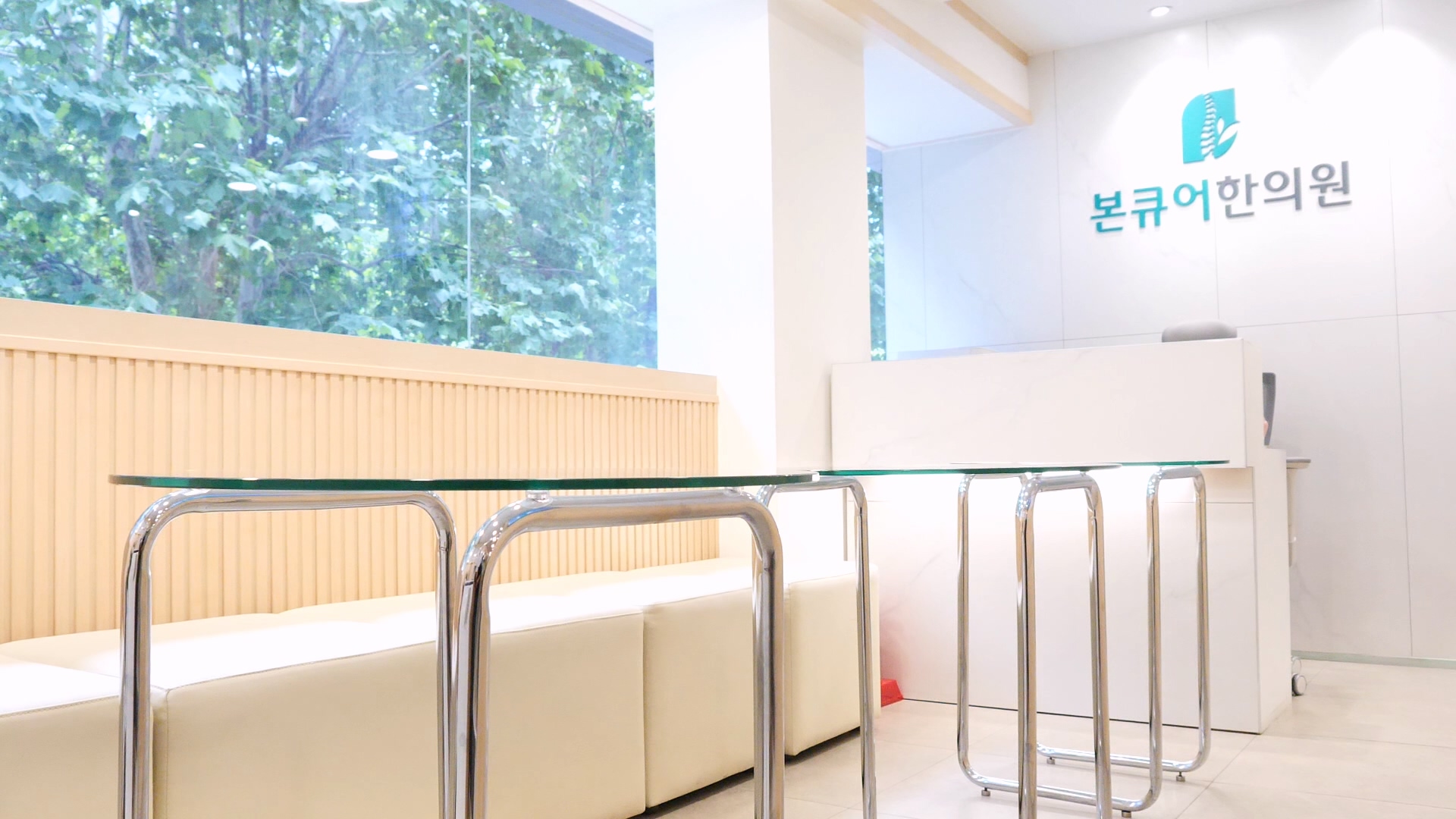
As a practitioner dedicated to structural recovery at Bonecure Korean Medicine Clinic, located at 767 Samseong-ro, I focus on identifying the root causes of dysfunction rather than merely suppressing symptoms. Through this article, I invite you to explore how we utilize precise interventions to achieve lasting wellness. When your bones smile, life smiles.
Introduction to Traditional Korean Medicine in Samsung-dong at Bonecure
Traditional Korean Medicine in Samsung-dong refers to the integration of ancestral wisdom with contemporary biomechanical analysis to address systemic health through skeletal and soft tissue correction. This clinical philosophy moves beyond superficial treatments, targeting the underlying structural imbalances that frequently lead to chronic pain and neurological distress. By focusing on the relationship between the spine, the nervous system, and internal organ function, we provide a comprehensive framework for patient recovery in a modern clinical setting, conveniently accessible to those in the Samsung-dong and Cheongdam areas.
The Philosophy of Structural Alignment: When Your Bones Smile, Life Smiles
The central philosophy guiding our practice is that optimal health begins with a balanced physical foundation, encapsulated in our motto: "When your bones smile, life smiles." At Bonecure, we believe that structural integrity is the prerequisite for autonomic harmony and emotional well-being. When the skeletal system is misaligned, it places undue stress on the surrounding muscles and nerves, potentially leading to a cascade of chronic health issues. Our approach emphasizes that correcting these physical distortions allows the body's innate healing mechanisms to function at their peak capacity. We view the body as an interconnected system where the spine serves as the central pillar of vitality. By restoring the natural curves and spacing of the vertebrae, we help patients move away from a state of constant physiological strain toward a life of mobility and ease. This fundamental restoration is the core mission we pursue for every individual who seeks our care in the heart of Samsung-dong.
Introducing Director Song Jeong-hyeon and the Evolution of Modern Korean Medicine
I am Director Song Jeong-hyeon, a practitioner who has long specialized in the clinical application of acupotomy to resolve complex musculoskeletal and autonomic disorders. My journey in medicine has been defined by an evolution from traditional meridian-based therapy to a modernized, evidence-first structural approach. At Bonecure, we utilize advanced diagnostic tools, including whole-spine X-ray analysis via our partner hospitals, to objectively document the structural state of our patients. This evolution allows us to bridge the gap between ancient therapeutic techniques and the high standards of 2026 medical science. By focusing on the physical release of tissue adhesions, we address conditions that were previously considered intractable. My commitment is to provide a transparent and scientifically grounded path to recovery for patients who have often exhausted conventional options. Through continuous research and clinical documentation, we aim to refine the standards of Traditional Korean Medicine, ensuring that every patient receives care that is both innovative and deeply rooted in clinical excellence.
Core Therapeutic Methods for Deep Structural Recovery and Tissue Recovery
Structural recovery involves physical interventions designed to release myofascial adhesions and realign the skeletal framework to restore normal physiological function. This process is not merely about comfort but about the recovery of damaged or chronically tight tissues that impede blood flow and nerve conduction. By combining specialized needle techniques with manual alignment, we provide a multi-layered approach to healing the body's core structure.
Acupotomy: Releasing Micro-Adhesions for Immediate Structural Change
Acupotomy is a specialized therapeutic technique utilizing a miniature, blade-like needle designed to physically release thickened or adhered soft tissues that cause chronic pain. At Bonecure, we employ this method to target specific structural lesions where standard acupuncture may not reach. When tissues become chronically inflamed or injured, they form dense adhesions that can compress adjacent nerves and limit joint mobility. By carefully inserting the acupotomy tool, we perform a micro-release of these adhesions, which triggers the body’s natural recovery response.
A key distinction of our clinic is the pursuit of immediate results. Unlike protocols that suggest progress is only possible after a long series of visits, I focus on providing a treatment that allows patients to feel a tangible difference in their symptoms and range of motion during the session itself. Clinical observations suggest that this localized release can significantly improve blood circulation and reduce mechanical pressure on spinal nerves. However, it is important to note that patients may experience temporary localized soreness or minor bruising at the treatment site following the procedure. In rare cases, minor swelling or infection may occur, necessitating follow-up. While stabilization for chronic conditions varies, our priority is impactful, efficient care that avoids unnecessary session bundling. Individual results may vary depending on the patient's condition.
Chuna Manual Therapy: Restoring Optimal Spinal and Joint Alignment
Chuna manual therapy is a sophisticated manipulative technique used to correct spinal misalignments and improve joint function. At Bonecure, we integrate Chuna with soft tissue release to ensure that the skeletal framework is properly supported by balanced musculature. This dual approach addresses the "hard" structure of the bones and the "soft" structure of the muscles simultaneously. By restoring the optimal curvature of the neck and lower back, Chuna helps alleviate the abnormal mechanical stress that leads to disc degeneration and joint wear. We prioritize a safe and measured application of force, ensuring that the realignment process respects the patient’s current physical limitations. By addressing structural distortions at the root, we facilitate immediate improvements that patients can perceive through their own movement and posture assessments.
Clinical Application and Scientific Documentation of Treatment Efficacy
Clinical documentation involves the systematic recording of patient progress through visual spine analysis and standardized functional scales. We believe that medical claims must be substantiated by objective data to ensure patient trust and safety. This evidence-first approach allows us to track the specific changes in a patient's condition over the course of their personalized treatment plan.
Addressing Complex Conditions: Tinnitus, Autonomic Imbalances, and Dorsal Burning Sensation
Our clinical focus extends to complex issues like chronic tinnitus, dizziness, and autonomic nerve dysfunction. We also specialize in treating 'Baeyeol-jeung' (dorsal burning sensation), where patients feel as if their back is on fire despite no visible skin changes. This is often linked to the entrapment of the dorsal scapular nerve or thoracic spinal nerves by myofascial adhesions. By applying structural restoration techniques, we aim to normalize these neural pathways and release the physical compression causing the burning sensation.
Furthermore, for patients with Parkinsonism or Atypical Parkinsonism, structural intervention can play a vital role in symptom management. While degenerative diseases require careful management, focusing on upper cervical alignment can help slow progression and manage autonomic symptoms. It is vital to understand that these conditions often require a clear distinction between 'curing' a disease and 'improving' the patient's quality of life through structural integrity. We work closely with each patient to monitor their systemic response, ensuring that the treatment plan addresses both localized pain and broader physiological imbalances.
Reviewing Clinical Case Reports: Objective Changes in Spine Alignment
We prioritize scientific documentation by publishing case reports that detail the objective progress of our patients. For example, in our clinical observations, we have documented cases where patients with long-standing chronic tinnitus or scoliosis showed improvements in functional scores and spinal alignment following structural therapy. These outcomes demonstrate the potential of our methods, though it must be emphasized that individual results vary. We utilize these data points to provide realistic expectations for new patients. By analyzing the structural shifts in the whole-spine alignment, we correlate physical changes with the subjective improvement in a patient’s symptoms, maintaining Bonecure’s position as a leader in modernized Traditional Korean Medicine.
Understanding the Bonecure Approach to Structural Restoration
Our clinical approach focuses on the fundamental restoration of the body's structure. While various management strategies exist for pain, our method specifically targets the physical adhesions and misalignments that contribute to dysfunction. We utilize biomechanical analysis to identify deep tissue adhesions and integrate acupotomy with Chuna therapy to promote functional tissue recovery. As with any medical procedure, the effectiveness and stability of results can vary based on individual lifestyle and the severity of the condition.
Understanding Treatment Protocols and Essential Precautions
Every patient at Bonecure receives a customized treatment protocol based on a thorough physical examination and structural analysis. We recognize that the body’s response to acupotomy and Chuna varies significantly based on individual factors such as tissue density. We aim for immediate feedback, where the patient feels a release in tension following the procedure. Precautions are always taken to minimize risks, such as localized infection or transient inflammation, which are rare but possible with needle-based interventions. It is essential for patients to follow post-treatment instructions to support the tissue healing process. We also emphasize that structural therapy is a collaborative effort; maintaining a healthy posture and following prescribed exercises are key to sustaining the results achieved in the clinic. By understanding these nuances, patients can work toward a more balanced and pain-free future through modernized Traditional Korean Medicine.
Modernized Traditional Korean Medicine: A Clinical Guide to Structural Restoration at Bonecure A 2026 Clinical Guide to Samsung-dong Wellness Services: The Bonecure Structural Approach
Frequently Asked Questions
Q. What is the core approach of Traditional Korean Medicine at Bonecure in Samsung-dong?
The core approach focuses on fundamental structural restoration. By combining advanced acupotomy and Chuna manual therapy, we aim to release internal tissue adhesions and correct spinal misalignments. We focus on treatments where the patient can feel an immediate difference in their symptoms and mobility rather than just suppressing pain.
Q. How does acupotomy differ from standard acupuncture treatments?
Acupotomy utilizes a specialized, miniature blade-like needle designed to physically release thickened, adhered, or chronically scarred tissues (adhesions) around joints and the spine. Unlike standard acupuncture which primarily stimulates meridian points, acupotomy works directly on structural lesions to relieve compressed nerves and blood vessels.
Q. What are the potential risks or side effects associated with acupotomy?
As with any invasive needle procedure, patients may experience temporary localized soreness, minor swelling, or transient bruising. Rare risks include localized infection, which is why we maintain strict sterile protocols. Because structural responses depend on individual health profiles, results and recovery times may vary.
Q. Does this approach require a specific number of sessions to see results?
Director Song Jeong-hyeon prioritizes treatments that show immediate, perceptible changes. While long-term stabilization for chronic structural issues may require follow-up, we do not force 'bundles' of sessions. We aim for the patient to feel a clear improvement in their condition during their initial visits.
Q. Can these therapies help with the sensation of heat in the back (Baeyeol-jeung)?
Yes, this sensation is often a form of 'dysesthesia' caused by nerve entrapment or myofascial adhesions in the thoracic area. By using acupotomy to release the tissues pressing on the cutaneous nerves, we can effectively address the burning or hot sensation that often goes undetected in standard imaging.
Q. Does this medical approach help with non-musculoskeletal issues like tinnitus or autonomic imbalances?
Yes, correcting upper cervical misalignments and reducing deep tissue tension can positively influence nerve conduction and blood flow to the head and neck. This often aids in the management of tinnitus, dizziness, and autonomic nerve dysfunction by relieving mechanical pressure on the neural pathways.
Key Takeaways
- Structural Focus: Bonecure prioritizes skeletal alignment and soft tissue release to address the root causes of chronic pain.
- Immediate Impact: Treatment plans are designed for patients to feel perceptible improvements in symptoms and movement during the session.
- Advanced Techniques: The integration of acupotomy and Chuna manual therapy facilitates deep tissue recovery and functional improvement.
- Evidence-Based: We use objective data and case reports to track and verify patient progress.
- Comprehensive Care: Restoration of spinal integrity can improve autonomic functions, including relief from tinnitus, dizziness, and 'Baeyeol-jeung'.
For personalized structural analysis and professional consultation, please visit our clinic in Samsung-dong, Gangnam. Bonecure Korean Medicine Clinic / Director Song Jeong-hyeon
FAQ
- What is the core approach of Traditional Korean Medicine at Bonecure in Cheongdam-dong?
- The core approach focuses on fundamental structural restoration. By combining advanced acupotomy and Chuna manual therapy, we aim to release internal tissue adhesions and correct spinal misalignments, which helps restore the body's natural healing capacity and long-term mobility. This method targets the root causes of pain rather than just the symptoms.
- How does acupotomy differ from standard acupuncture treatments?
- Acupotomy utilizes a specialized, miniature blade-like needle designed to physically release thickened, adhered, or chronically scarred tissues around joints and the spine. Unlike standard acupuncture which primarily stimulates meridian points, acupotomy works directly on structural lesions to relieve compressed nerves and blood vessels. It is a more invasive but structurally targeted procedure.
- What are the potential risks or side effects associated with acupotomy?
- As with any invasive needle procedure, patients may experience temporary localized soreness, minor swelling, or transient bruising at the treatment site. Rare risks include localized infection, which is why we maintain strict sterile protocols. Because structural responses depend on individual health profiles, chronic or severe conditions typically require multiple carefully planned sessions for safe results.
- How much does a customized treatment plan cost at Bonecure?
- The total cost varies based on the specific condition, the degree of structural misalignment, and the selection of therapies such as acupotomy or Chuna. We determine personalized fees after a detailed physical examination to ensure the plan fits the patient's medical needs. Please schedule a consultation to receive an accurate pricing structure based on your diagnosis.
- Can these therapies serve as an alternative to spinal or joint surgery?
- For many patients suffering from chronic disc herniation, spinal stenosis, or joint adhesions, non-surgical structural interventions can successfully manage pain and improve mobility. However, surgical necessity depends heavily on the severity of neurological deficits, meaning an individual evaluation is required. We aim to provide a viable non-surgical option whenever medically appropriate.
- How many sessions are generally required to see noticeable structural improvements?
- Some individuals report immediate relief in joint flexibility or pain reduction after a single session. However, long-standing chronic conditions or significant spinal curvature alterations generally require a structured program over several weeks to achieve stable, lasting structural alignment. Consistency is key to allowing the tissues to regenerate and stay in their new, correct positions.
- Does this medical approach help with non-musculoskeletal issues like tinnitus or autonomic imbalances?
- Yes, our clinical observations indicate that correcting upper cervical misalignments and reducing deep tissue tension can positively influence nerve conduction and blood flow. This often aids in the management of tinnitus, dizziness, and autonomic nerve dysfunction. By relieving pressure on the brainstem area, we help the entire nervous system function more effectively.