
Post
Traditional Korean Medicine for Neck Pain: A 2026 Guide to Structural Restoration at Bonecure
Hello, I am Dr. Song Jung-hyun, a practitioner who has dedicated my career to structural restoration through acupotomy and Traditional Korean Medicine. Traditional Korean medicine for neck pain focuses on correcting skeletal misalignments and resolving soft tissue adhesions to restore the body natural balance and function.
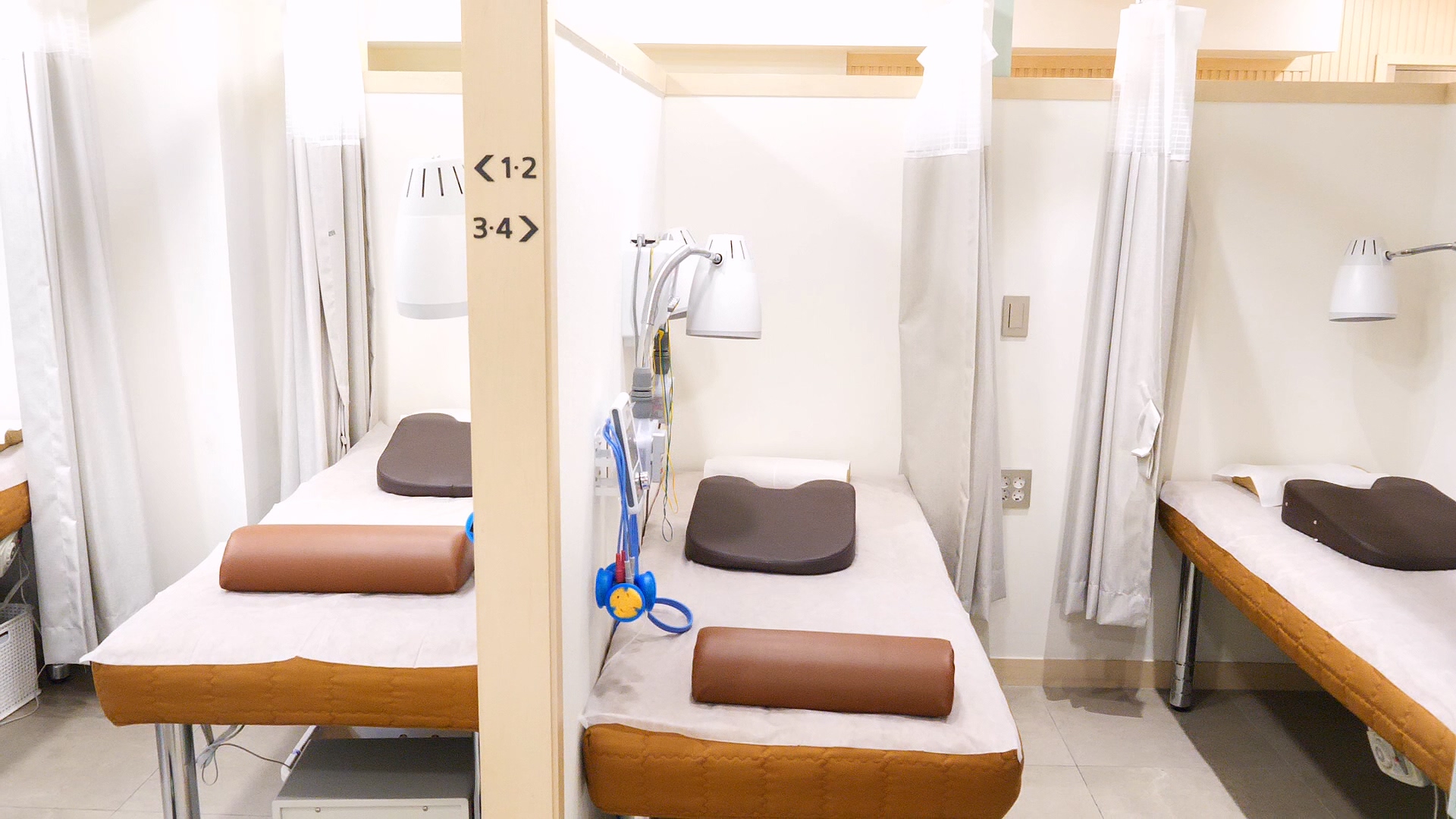
What is Traditional Korean Medicine for Neck Pain?
Traditional Korean medicine for neck pain is a therapeutic framework that identifies structural imbalances and energy blockages as the primary causes of cervical discomfort. Instead of merely suppressing symptoms, this approach utilizes time-tested modalities such as acupuncture, Chuna therapy, and herbal medicine to facilitate the body inherent healing processes. At Bonecure, we prioritize the restoration of structural integrity to ensure long-term health and mobility for our patients.
The Core Principles of Structural Balance
Structural balance in the cervical region involves the harmonious relationship between the vertebrae, muscles, and ligaments that support the head. When this balance is disrupted by poor posture or injury, it leads to chronic tension and nerve compression. Traditional Korean medicine for neck pain seeks to realign these structures through manual manipulation and targeted needle therapy. This process is not just about moving bones but about ensuring that the surrounding soft tissues can support the new alignment. By focusing on the spine as a central pillar, we aim to alleviate the mechanical stress that causes localized pain and referred symptoms in the arms or shoulders. Maintaining a neutral cervical curve is essential for preventing degenerative changes over time. Our approach emphasizes that a healthy spine is the foundation for overall vitality and neurological health. Through precise diagnosis and individualized treatment, we work to restore the dynamic stability required for daily activities without discomfort or restriction.
How Bonecure Approaches Cervical Health
At Bonecure, we believe that cervical health is a reflection of the entire body structural alignment and functional efficiency. Our diagnostic process often includes whole spine X-rays to assess the cervical angle and identify any underlying deviations from the ideal curvature. We combine these objective findings with a physical examination of muscle tone and joint mobility to create a comprehensive treatment plan. This methodology allows us to address not only the site of pain but also the compensatory patterns that may have developed elsewhere in the spine. By integrating advanced techniques like acupotomy with traditional Chuna therapy, we provide a multifaceted approach to recovery. Our clinic emphasizes the importance of patient education, helping individuals understand how their daily habits contribute to their condition. We strive to empower our patients with the knowledge and tools necessary to maintain their structural improvements long after their clinical sessions are completed. This holistic perspective ensures that the results are sustainable and meaningful for the individual.
Understanding the Role of Qi and Blood Circulation
In the context of Traditional Korean Medicine, the flow of Qi and blood is vital for maintaining the health of the neck tissues. Obstructions in these pathways, often referred to as stagnation, can lead to inflammation, stiffness, and chronic pain syndromes. Traditional Korean medicine for neck pain utilizes acupuncture to stimulate specific points that promote circulation and reduce stagnation in the cervical region. Enhanced blood flow delivers essential nutrients to damaged tissues while facilitating the removal of metabolic waste products that contribute to pain. This metabolic clearance is crucial for resolving the low-grade inflammation often seen in chronic neck conditions. By restoring the smooth flow of energy, we help the body regain its natural resilience and capacity for self-repair. Our treatments are designed to harmonize the internal environment, creating the optimal conditions for structural restoration and functional recovery. This focus on internal balance complements our structural interventions, providing a more thorough and effective healing experience for patients suffering from persistent cervical issues.
Advanced Acupuncture Techniques: Acupotomy and Beyond
Acupotomy is a specialized form of acupuncture that utilizes a blade-like needle to release pathological adhesions in the muscles and ligaments surrounding the spine. This technique is particularly effective for chronic conditions where traditional therapies have failed to provide lasting relief by directly addressing the physical barriers to movement. At Bonecure, we use acupotomy to restore the elasticity of stiffened tissues, allowing for improved range of motion and reduced nerve irritation. Individual results may vary based on the chronicity of the condition.
Acupotomy for Adhesion Release and Tissue Regeneration
Acupotomy is a highly specialized procedure that targets the thickened, fibrotic tissues known as adhesions that often develop in chronic neck pain cases. These adhesions act like internal scars, binding muscles and fascia together and restricting normal movement patterns. By using a fine, blade-tipped needle, I can precisely release these restrictive bands, which facilitates the restoration of normal tissue gliding and function. This mechanical release also triggers a localized healing response, promoting the regeneration of healthy fibers in place of the damaged ones. In my clinical experience, this method is essential for patients who feel that their neck is permanently stuck or tight. In clinical practice, even in cases of long-standing chronic stiffness, acupotomy helps restore the flexibility of the tissues by releasing deep-seated adhesions. We observe that once the physical obstruction is removed, the body natural regenerative processes can take over more effectively. This technique bridges the gap between traditional acupuncture and modern surgical intervention.
The Science Behind Bonecure Special Needle Therapy
The needle therapy at Bonecure is grounded in both anatomical precision and traditional wisdom to ensure the highest standard of care. We utilize specialized needles that are designed to penetrate deeper layers of tissue where chronic tension often resides. This approach is backed by objective data, such as tracking improvements in the cervical spine curvature via X-ray imaging before and after the treatment course. We also monitor patient progress using standardized assessment scales like the Beck Anxiety and Depression Inventories, as chronic pain is frequently linked to emotional distress. We utilize these objective assessment scales to meticulously monitor each patient's progress and prognosis throughout their treatment journey. This data-driven approach allows us to measure the efficacy of our interventions beyond subjective reports of feeling better. By combining clinical expertise with measurable data, we maintain a transparent and evidence-based practice. This scientific rigor ensures that every needle insertion is purposeful and directed toward a specific therapeutic goal for the patient.
Immediate Relief and Long Term Structural Recovery
One of the most distinctive features of the treatments at Bonecure is the focus on immediate symptomatic relief. We do not believe in telling patients they must complete a mandatory number of sessions, such as 10 or 20, before they can expect to see an improvement. Instead, we focus on delivering perceptible changes in every session. Many patients report a sensation of lightness and increased mobility immediately after a single session of acupotomy or Chuna therapy. Achieving long-term structural stability is a collaborative process based on your individual recovery progress rather than a fixed package. It is important to note that while immediate relief is common, some minor side effects like localized soreness, temporary bleeding, or bruising may occur at the treatment site. These are generally mild and resolve within a few days as the body processes the intervention. Our goal is to move the patient from a state of crisis management to one of maintenance and prevention through high-impact, efficient clinical care.
Comparing Traditional Korean Medicine with Modern Physical Therapy
Comparing different treatment modalities helps patients make informed decisions about their cervical health and recovery options. While both Traditional Korean Medicine and modern physical therapy aim to reduce pain and improve function, they utilize different techniques and philosophies to achieve these goals. At Bonecure, we integrate the strengths of traditional methods with a modern understanding of anatomy to provide a unique and effective therapeutic experience. The following table highlights some of the key differences in how these approaches address neck pain and structural issues.
At Bonecure, our treatment approach focuses on structural restoration through a combination of acupotomy, Chuna therapy, and herbal medicine. Acupotomy specifically targets deep-seated adhesions to promote tissue regeneration, while Chuna therapy focuses on skeletal alignment. We utilize whole spine X-rays to assess the cervical angle and monitor structural changes, ensuring that our interventions are directed toward restoring the body's natural balance and functional efficiency.
A 2026 Clinical Guide to Chuna Therapy for Chronic Pain: Structural Restoration at Bonecure
Integrative Approaches for Chronic Neck Conditions
Chronic neck conditions often involve more than just localized muscle pain, frequently affecting the nervous system and overall well-being. An integrative approach combines structural corrections with internal support to address the full spectrum of the patient's symptoms and health needs. By considering the relationship between the spine and the autonomic nervous system, we can provide a more comprehensive solution for complex cases. Traditional Korean medicine for neck pain is uniquely suited for this integrative model because it naturally addresses both the physical and energetic aspects of health.
Addressing Autonomic Nervous System Dysregulation
The cervical spine serves as a critical junction for the autonomic nervous system, and misalignments in this area can lead to systemic dysregulation. Symptoms such as dizziness, headaches, and even digestive issues can often be traced back to cervical tension and nerve interference. At Bonecure, we use structural restoration techniques to alleviate the pressure on the autonomic nerves, helping to restore balance to the body internal systems. In some cases, we have observed that correcting the cervical alignment leads to a reduction in secondary symptoms that patients did not initially link to their neck. Restoring proper cervical alignment can have a positive impact on the autonomic nervous system, which may help in stabilizing the body's physiological response to stress. This systemic benefit is a hallmark of a truly integrative approach to healing. By stabilizing the cervical region, we help the patient achieve a state of physiological calm and improved autonomic function. This broader impact on health is one of the reasons why structural restoration is so foundational to our clinical practice.
Herbal Medicine for Inflammation and Nerve Support
Herbal medicine plays a supportive role in our treatment protocols by addressing inflammation and providing essential nutrients for nerve health from the inside out. We prescribe customized herbal decoctions that are tailored to the individual specific constitution and current symptoms. These formulas can help to reduce the systemic inflammation that often accompanies chronic neck pain, making the structural treatments more effective. Some herbs are specifically chosen for their ability to soothe irritated nerves and improve peripheral circulation, which is vital for the recovery of damaged cervical tissues. This internal support helps to accelerate the healing process and provides a more holistic recovery experience. At Bonecure, we view herbal medicine as a vital partner to our manual and needle-based therapies. It ensures that the body has the necessary resources to repair itself and maintain the structural improvements achieved during clinical sessions. This combination of internal and external therapy provides a powerful synergy that enhances the overall therapeutic outcome. Patients often find that their recovery is more thorough and long-lasting when herbal support is included in their care plan.
Restoring the Natural Curve of the Spine
Restoring the natural C-shaped curve of the cervical spine is a primary objective for achieving lasting relief from neck pain and associated symptoms. A loss of this curvature, often referred to as a straight neck or reverse curve, increases the mechanical load on the vertebrae and discs. Traditional Korean medicine for neck pain utilizes Chuna therapy and specific acupotomy points to release the tension that pulls the spine out of its ideal alignment. By systematically addressing these muscular imbalances, we can help the spine gradually return to its healthy, shock-absorbing shape. This structural change is often visible on follow-up X-rays, providing objective evidence of the treatment's success. A restored cervical curve not only reduces pain but also protects against future degenerative conditions such as disc herniation. At Bonecure, we focus on this fundamental alignment to ensure that the results of our therapy are both deep and enduring. We believe that when the bones are properly aligned, the entire nervous system can function more efficiently. This focus on structural integrity is what sets our approach apart from treatments that only address superficial symptoms.
Clinical Evidence and Individual Case Insights
Clinical evidence and individual case insights are essential for demonstrating the effectiveness and reliability of Traditional Korean Medicine in treating complex neck conditions. By documenting our findings and tracking patient outcomes, we contribute to a growing body of knowledge that supports the use of these time-honored techniques in a modern medical context. At Bonecure, we take pride in our evidence-first approach, using both objective data and detailed case histories to guide our clinical decisions. This commitment to transparency and excellence ensures that our patients receive the most effective care possible.
Objective Data: X-ray Improvements and Assessment Scales
We utilize objective data to quantify the improvements our patients experience throughout their treatment journey, ensuring that our clinical assessments are grounded in measurable facts. Whole spine X-rays are a cornerstone of this process, allowing us to see the actual changes in skeletal alignment and cervical curvature. In addition to imaging, we use standardized psychological and functional scales to monitor the broader impact of our treatments on the patient's quality of life. These tools help us to identify trends and adjust our treatment plans as needed to achieve the best possible outcomes. For instance, we may track 5 key indicators of cervical health, including range of motion and pain intensity scores, to ensure steady progress. By providing patients with clear, data-driven feedback, we foster a sense of trust and partnership in the healing process. This evidence-based methodology is central to the high standard of care we provide at Bonecure. We believe that seeing the physical proof of improvement is incredibly motivating for patients dealing with long-term chronic conditions. It validates their commitment to the treatment and reinforces the value of our structural restoration techniques.
Individual Case Studies of Chronic Pain Recovery
Individual case studies provide valuable insights into how different patients respond to our integrative treatments, highlighting the personalized nature of our care. Acupotomy and Chuna therapy are designed to provide structural release that can lead to improved mobility and reduced tension. While some patients may notice changes early in the treatment process, the focus remains on achieving stable, long-term structural recovery. Acupotomy can be particularly effective for addressing the anatomical structures related to hearing and balance. By releasing adhesions in the cervical region, we aim to improve the environment for the surrounding nerves and vessels. While results vary by individual, this structural approach addresses the mechanical factors often involved in chronic conditions. Each case study reminds us that every patient's journey is unique and requires a tailored approach to address their specific needs. At Bonecure, we carefully document these successes to refine our techniques and provide better guidance for future patients. These stories of recovery are a testament to the power of combining traditional wisdom with modern clinical precision. They provide hope and inspiration for those who may feel that their chronic pain is insurmountable.
Managing Potential Side Effects and Treatment Limitations
While our treatments are designed to be safe and effective, it is important to acknowledge and manage any potential side effects or treatment limitations. Some patients may experience temporary soreness or a dull ache at the site of acupotomy, which typically subsides within 24 to 48 hours. In rare cases, minor bruising or localized bleeding may occur, but these are handled with strict hygiene and post-treatment care at Bonecure. It is also important to recognize that chronic or degenerative conditions may require a more extensive treatment course to achieve significant results. Results can vary significantly depending on the individual's age, lifestyle, and the severity of their condition. We always conduct a thorough initial consultation to set realistic expectations and develop a safe, effective treatment plan. If a condition is beyond the scope of our conservative care, we do not hesitate to provide appropriate referrals for further evaluation. Ensuring patient safety and providing honest, transparent communication about treatment outcomes are our top priorities. This balanced approach helps to maintain the high level of trust our patients place in us. By addressing both the possibilities and the limitations of our care, we provide a more responsible and ethical healthcare experience.
Key Takeaways
- Root Cause Focus: Traditional Korean medicine for neck pain targets structural misalignments and tissue adhesions rather than just masking symptoms.
- Advanced Techniques: Acupotomy is used at Bonecure to release deep-seated adhesions, promoting tissue regeneration and restoring mobility.
- Objective Monitoring: We use whole spine X-rays and standardized assessment scales to track and verify structural and functional improvements.
- Integrative Care: Combining Chuna therapy, herbal medicine, and acupuncture addresses both physical alignment and autonomic nervous system health.
- Personalized Recovery: Every treatment plan is tailored to the individual's immediate response, focusing on perceptible changes in each session.
Frequently Asked Questions
Q. Is Traditional Korean Medicine effective for chronic neck pain?
Traditional Korean medicine for neck pain is effective because it focuses on the structural alignment of the spine and the resolution of soft tissue adhesions. By addressing the physical root causes of pain through methods like acupotomy and Chuna therapy, it can provide more lasting relief than treatments that only target symptoms. However, the degree of improvement can vary based on the individual's specific health status and how long they have had the condition.
Q. What exactly is acupotomy and how does it help the neck?
Acupotomy is a specialized technique that uses a needle with a small blade at the tip to release tight, fibrotic tissues or adhesions in the muscles and ligaments. In the neck, these adhesions often cause chronic stiffness and restricted movement. By releasing these bands, acupotomy restores normal tissue elasticity and reduces pressure on the nerves, which is a core specialty offered at Bonecure.
Q. How many sessions will I need before I see an improvement?
At Bonecure, we do not follow a policy of requiring a fixed number of sessions (like 10 or 20) before results appear. Our goal is to ensure that patients feel immediate symptomatic relief and functional improvement starting from their first session. The overall treatment frequency is determined by the patient's individual progress and the complexity of their specific condition.
Q. Are there any risks or side effects associated with these treatments?
Minor side effects such as temporary soreness at the treatment site, slight bruising, or minimal bleeding are possible and generally resolve quickly. More significant risks like infection are extremely rare because we adhere to strict sterilization and hygiene protocols at Bonecure. We always discuss any potential risks with the patient before beginning the treatment to ensure they are fully informed and comfortable.
Q. Can neck treatments help with secondary symptoms like dizziness or headaches?
Yes, because the cervical spine is closely linked to the autonomic nervous system, misalignments in the neck can cause symptoms like dizziness, tension headaches, and even anxiety. By restoring the natural curve and alignment of the neck, we can often alleviate the nerve irritation that contributes to these secondary issues. Many patients find that their overall sense of well-being improves as their neck health is restored.
Q. Does Bonecure use any objective data to measure my progress?
We prioritize objective data by using whole spine X-ray imaging to visualize structural changes in the spine before and after the treatment course. We also utilize standardized clinical tools, such as the Beck Anxiety and Depression Inventories, to measure improvements in the patient's overall quality of life. This ensures that our clinical decisions are based on measurable evidence rather than just subjective feedback.
Q. Is the acupotomy procedure painful for the patient?
Some patients may feel a unique, intense sensation when the blade-like needle releases a deep-seated adhesion, which is often described as a "heavy" or "relieving" kind of pressure. While it can be briefly uncomfortable, the sensation is usually short-lived and followed by an immediate feeling of increased mobility and reduced tension. We prioritize patient comfort and use precise techniques to make the procedure as smooth as possible.
Integrated Pain Management Seoul: A 2026 Guide to Structural Restoration at BonCure
Bonecure / Dr. Song Jung-hyun
FAQ
- Is Traditional Korean Medicine effective for chronic neck pain?
- Traditional Korean medicine for neck pain is effective because it focuses on the structural alignment of the spine and the resolution of soft tissue adhesions. By addressing the physical root causes of pain through methods like acupotomy and Chuna therapy, it can provide more lasting relief than treatments that only target symptoms. However, the degree of improvement can vary based on the individual's specific health status and how long they have had the condition.
- What exactly is acupotomy and how does it help the neck?
- Acupotomy is a specialized technique that uses a needle with a small blade at the tip to release tight, fibrotic tissues or adhesions in the muscles and ligaments. In the neck, these adhesions often cause chronic stiffness and restricted movement. By releasing these bands, acupotomy restores normal tissue elasticity and reduces pressure on the nerves, which is a core specialty offered at Bonecure.
- How many sessions will I need before I see an improvement?
- While some patients experience immediate relief after just 1 or 2 sessions, chronic or severe neck issues typically require a more comprehensive series of treatments. A typical initial plan might involve 10 to 20 sessions to achieve stable structural changes and long-term recovery. Dr. Song Jung-hyun determines the exact number of sessions needed after a thorough initial consultation and diagnostic assessment.
- Are there any risks or side effects associated with these treatments?
- Minor side effects such as temporary soreness at the treatment site, slight bruising, or minimal bleeding are possible and generally resolve quickly. More significant risks like infection are extremely rare because we adhere to strict sterilization and hygiene protocols at Bonecure. We always discuss any potential risks with the patient before beginning the treatment to ensure they are fully informed and comfortable.
- Can neck treatments help with secondary symptoms like dizziness or headaches?
- Yes, because the cervical spine is closely linked to the autonomic nervous system, misalignments in the neck can cause symptoms like dizziness, tension headaches, and even anxiety. By restoring the natural curve and alignment of the neck, we can often alleviate the nerve irritation that contributes to these secondary issues. Many patients find that their overall sense of well-being improves as their neck health is restored.
- Does Bonecure use any objective data to measure my progress?
- We prioritize objective data by using whole spine X-ray imaging to visualize structural changes in the spine before and after the treatment course. We also utilize standardized clinical tools, such as the Beck Anxiety and Depression Inventories, to measure improvements in the patient's overall quality of life. This ensures that our clinical decisions are based on measurable evidence rather than just subjective feedback.
- Is the acupotomy procedure painful for the patient?
- Some patients may feel a unique, intense sensation when the blade-like needle releases a deep-seated adhesion, which is often described as a "heavy" or "relieving" kind of pressure. While it can be briefly uncomfortable, the sensation is usually short-lived and followed by an immediate feeling of increased mobility and reduced tension. We prioritize patient comfort and use precise techniques to make the procedure as smooth as possible.