
Post
A 2026 Clinical Overview of Dr. Song Jung-hyun's Medical Notes: Structural Recovery at Bonecure
Hello, I am Dr. Song Jung-hyun, a practitioner of Korean Medicine who has dedicated years to mastering the art of Acupotomy for structural restoration. This clinical guide provides an overview of the methodologies applied within my practice, emphasizing the necessity of skeletal alignment and tissue health for overall systemic wellness. At Bonecure, we believe that fundamental health begins with a balanced frame, ensuring that every patient receives a scientifically grounded pathway toward long-term recovery.
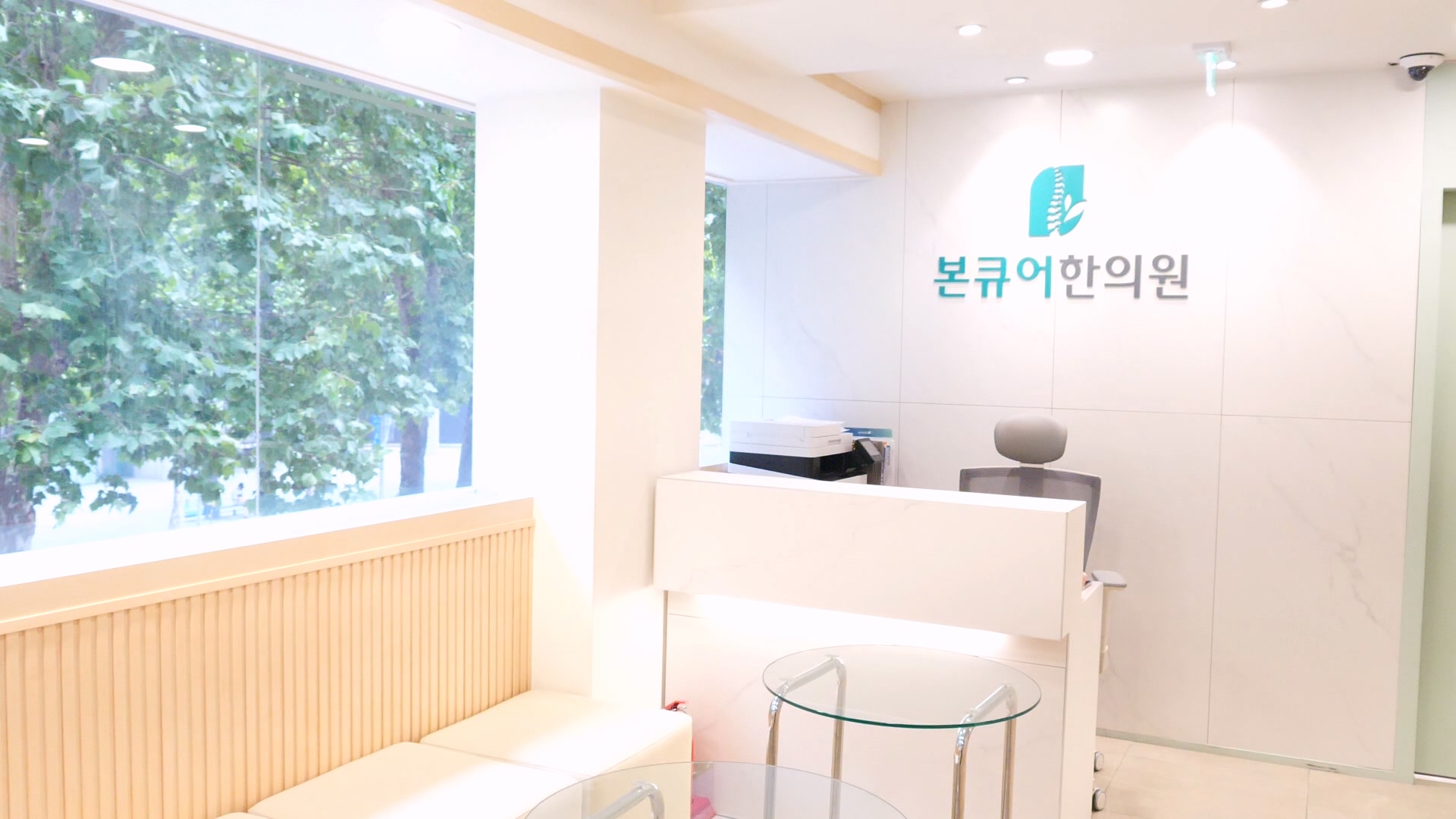
Introduction to Dr. Song Jung-hyun's Bonecure Methodology
Dr. Song Jung-hyun's methodology is defined as a specialized structural restoration protocol that utilizes Acupotomy to release physical adhesions in the soft tissues surrounding the spine and joints. This approach focuses on the principle that skeletal misalignment is not merely a localized issue but a systemic disruption that affects the nervous and circulatory systems. By addressing these structural bottlenecks, the clinic aims to restore the body’s innate ability to heal itself without relying solely on temporary symptom management.
Core Philosophy: Structural Balance and the Bonecure Approach
The core philosophy at Bonecure revolves around the premise that structural integrity is the cornerstone of systemic health. Dr. Song Jung-hyun emphasizes that when the skeletal framework is misaligned, it places undue stress on the nervous system and surrounding soft tissues. This structural approach at Bonecure aims to restore the body's natural balance by identifying the precise locations of spinal deviation and muscular tension. By focusing on the relationship between bone alignment and physiological function, the clinic seeks to provide a pathway for patients to reclaim their daily vitality. This methodology is rooted in the belief that skeletal health directly influences emotional and physical well-being. Through detailed assessments, the Bonecure protocol identifies the root causes of chronic discomfort, moving beyond the superficial treatment of pain. Each patient receives a customized roadmap designed to encourage the body’s innate healing mechanisms through careful structural restoration and balance, ensuring that every aspect of their physical frame is considered in the recovery process.
The Science of Acupotomy and Tissue Adhesion Release
Acupotomy is a specialized therapeutic technique that employs a blade-shaped needle to physically detach micro-adhesions within hardened soft tissues. In the context of chronic pain, these adhesions often form due to repetitive strain or injury, creating restrictive bands that limit blood flow and impede neural pathways. The science behind this intervention lies in its ability to initiate a controlled regenerative response. By precisely targeting these fibrous tissues, Dr. Song Jung-hyun facilitates the restoration of flexibility and the normalization of internal pressure. Research indicates that releasing these adhesions can lead to a significant reduction in localized inflammation, often reflected in patient-reported pain scales. While the procedure involves a distinct physical sensation, the objective is to create space for healthy tissue to reorganize. This process is essential for patients who have found limited success with conventional surface-level therapies. The precision of Acupotomy ensures that only the affected areas are addressed, preserving the integrity of healthy surrounding structures and promoting a more efficient physiological recovery.
Defining Fundamental Recovery Beyond Symptom Suppression
Fundamental recovery at Bonecure is defined as the state where the body's structural alignment and physiological functions are restored to a point where symptoms do not easily recur. The Bonecure protocol focuses on structural restoration by addressing tissue adhesions and skeletal alignment, seeking to eliminate the physical obstacles hindering sustained physical well-being. Individual results may vary depending on the patient's condition. Dr. Song Jung-hyun argues that true healing requires a departure from the cycle of temporary relief. By focusing on the underlying structural distortions, such as spinal curvature imbalances, the protocol aims for a durable clinical outcome. This definition of recovery encompasses not only the absence of pain but also the restoration of full range of motion and autonomic stability. Patients are encouraged to view their health through a long-term lens, understanding that structural changes require time and consistency. The goal is to move the patient from a state of chronic compensation to a state of functional resilience. Through this rigorous focus on structural causes, the Bonecure methodology provides a comprehensive framework for those seeking a deeper level of clinical resolution for their chronic conditions.
Clinical Foundations of Acupotomy at Bonecure
The clinical foundations of structural care at Bonecure involve the integration of modern diagnostic imaging with traditional anatomical knowledge to correct spinal curvature and tissue dysfunction. This evidence-first approach ensures that every intervention is based on objective data, such as whole-spine X-ray analysis, which reveals subtle structural misalignments. By establishing a clear anatomical baseline, Dr. Song Jung-hyun can apply Acupotomy with extreme precision to resolve the specific structural barriers hindering the patient's recovery.
Understanding Spinal Realignment and Curvature Correction
Spinal realignment involves the systematic correction of vertebral positioning to alleviate pressure on the spinal cord and exiting nerve roots. At Bonecure, this process begins with a detailed analysis of the patient's sagittal and coronal balance. When the spine loses its natural curvature, such as in cases of forward head posture or scoliosis, the resulting mechanical stress can lead to secondary issues like disc herniation or chronic headaches. Dr. Song Jung-hyun utilizes targeted techniques to address the shortened ligaments and muscles that pull the spine out of alignment. For instance, correcting abnormal cervical curvature can significantly improve blood flow to the cranium. The correction process is gradual, focusing on stabilizing the structure so that the body can maintain its new, healthier position. By restoring the proper mechanical load distribution across the vertebrae, this approach reduces the risk of degenerative changes. This clinical focus on realignment is vital for long-term spinal health, as it addresses the physical reality of the body's framework rather than just the sensations of discomfort.
The Mechanism of Restoring Damaged Tissues through Micro-adhesion Release
The mechanism of restoring damaged tissues relies on the physical disruption of pathological cross-links within the extracellular matrix. When tissues undergo chronic stress, they develop micro-adhesions—dense, fibrous structures that restrict movement and trap metabolic waste. Dr. Song Jung-hyun applies Acupotomy to break these cycles of restriction. Once these adhesions are released, the body initiates a local healing response, bringing fresh blood and nutrients to the site of injury. This biological process facilitates the replacement of disorganized scar tissue with functional fibers. Clinical observations suggest that this release can lead to improved perfusion and enhanced circulation in the affected area. The restoration of tissue elasticity is a critical step in the overall recovery of the musculoskeletal system. By ensuring that the muscles and fascia can move freely, the structural corrections made to the bones are more likely to remain stable. This mechanical intervention is a key differentiator in the treatment of chronic, intractable conditions that have resisted more conservative, non-invasive approaches, providing a tangible path toward functional tissue regeneration.
Integrating Modern Diagnostics with Traditional Korean Medicine
Integrating modern diagnostics with traditional wisdom allows for a highly personalized and verifiable treatment experience. Dr. Song Jung-hyun employs whole-spine X-ray imaging and validated clinical scales, such as the Beck Depression Inventory or visual analog scales for pain, to track progress objectively. This data-driven approach ensures that the subjective feelings of the patient are supported by clinical evidence. For example, a patient might report a 50% reduction in pain, which is then correlated with a visible improvement in spinal alignment on follow-up imaging. This synergy between technology and tradition enhances the safety and efficacy of Acupotomy. It allows for the identification of specific anatomical landmarks that require intervention while avoiding areas of high risk. By using these tools, Bonecure provides a transparent treatment process where patients can see the physical changes occurring in their bodies. This integration represents the evolution of Korean Medicine into a modern, evidence-based discipline. It empowers both the practitioner and the patient to work toward specific, measurable health goals, ensuring that the treatment plan remains responsive to the individual's physiological changes and progress over time.
A 2026 Clinical Overview of Non-Surgical Spine Treatment and Structural Restoration
Clinical Perspectives: The Bonecure Structural Protocol
The Bonecure protocol is defined as a structural-restoration strategy that targets physical adhesions and misalignments. This approach involves deep-tissue intervention through Acupotomy to address structural dysfunction. This focus is crucial for supporting long-term clinical outcomes for patients with chronic musculoskeletal disorders, though individual responses to treatment vary.
Differences in Treatment Depth: Surface Relief vs. Structural Regeneration
The difference in treatment depth between conventional relief and structural regeneration at Bonecure lies in the physical layer addressed during the procedure. Surface-level treatments typically focus on the skin, superficial muscles, or the chemical suppression of pain signals. In contrast, Dr. Song Jung-hyun targets the deep fascial layers and the points where tendons attach to the bone. These areas are often where the most significant structural restrictions reside. By utilizing the blade-like tip of the Acupotomy needle, the practitioner can reach depths that manual therapy or standard needles cannot effectively influence. This allows for the physical separation of tissues that have literally become stuck together. The goal is to trigger a regenerative response at the site of the structural failure. Structural restoration aims to change the physical environment of the tissue, supporting a long-term shift in how the body handles mechanical stress. By addressing the underlying mechanical tension, the protocol seeks to improve functional stability, although chronic conditions may require ongoing management. This deep-seated change is essential for resolving conditions that are rooted in chronic structural imbalance and long-term tissue degradation.
Efficiency and Recovery Timelines in Chronic Condition Management
Recovery timelines in chronic condition management at Bonecure are structured to reflect the biological reality of tissue healing and skeletal adaptation. While some patients report a noticeable change after just 1 or 2 sessions, chronic cases often require a structured series of treatments—sometimes up to 20 sessions—to achieve lasting stability. Dr. Song Jung-hyun emphasizes that the efficiency of the Bonecure protocol comes from its directness. By removing the physical barriers to healing immediately, the body can move through the recovery phases more quickly than it would with passive management. For example, a patient suffering from long-standing chronic symptoms may require a multi-month plan to allow for the remodeling of deep scar tissue. The progress is monitored using objective metrics, ensuring that the timeline is adjusted based on actual physiological improvement. This structured approach prevents the common pitfall of "revolving door" treatments, where symptoms are temporarily managed only to return weeks later. By investing the necessary time into deep structural work, patients can achieve a level of resilience that significantly reduces the frequency of future medical interventions, representing a highly efficient long-term health strategy.
A 2026 Clinical Guide to Structural Restoration at BonCure Korean Medicine Clinic
Dr. Song Jung-hyun's Case Report Insights and Research
Dr. Song Jung-hyun's research is defined by the systematic documentation of clinical case reports that demonstrate the impact of structural restoration on both musculoskeletal and autonomic nervous system disorders. These reports, which often track symptoms over periods ranging from several months to years, provide a vital evidence base for the efficacy of Acupotomy in complex cases. By observing the correlation between spinal alignment and systemic symptoms like tinnitus or concussion-related fatigue, these insights offer a unique perspective on integrative health.
Analysis of Spinal Curvature and Autonomic Nervous System Cases
The analysis of spinal curvature at Bonecure reveals a profound link between skeletal alignment and the autonomic nervous system. Case reports document instances where structural correction was associated with a reduction in perceived tension and changes in autonomic markers, though individual results may vary and these findings do not guarantee similar outcomes for all patients. When the spine is out of alignment, it can cause persistent stimulation of the sympathetic nervous system, leading to symptoms like anxiety, digestive issues, and sleep disturbances. Through the use of Acupotomy and structural correction, these mechanical stressors are removed. Clinical data shows that patients often experience a shift toward parasympathetic dominance following the restoration of their spinal curves. This shift is not just a feeling of relaxation but a measurable change in physiological state. For instance, improvements in heart rate variability and digestive function have been observed in patients who achieved structural stability. These case reports suggest that the spine acts as a physical conduit for neurological health, and any deviation in its structure can have wide-ranging effects on the body's internal regulation. Addressing these curvatures is therefore essential for holistic wellness.
Clinical Observations on Sudden Hearing Loss and Tinnitus Management
Dr. Song Jung-hyun has performed extensive clinical observations on the relationship between cervical spine health and auditory symptoms such as tinnitus and sudden hearing loss. Clinical protocols utilize cervical Acupotomy to address tissue tension, aiming to support patients experiencing auditory discomfort associated with cervical dysfunction. In specific clinical observations, patients have reported improvements in symptom scores, though these results are specific to those individual cases. The working hypothesis in these cases is that structural imbalances in the upper cervical vertebrae can impede blood flow to the inner ear and create neurogenic inflammation. By releasing the adhesions in the suboccipital muscles and restoring the natural curve of the neck, the mechanical pressure on these delicate systems is relieved. While these results are specific to individual case studies and do not guarantee a cure for all, they point to a significant clinical pathway for those whose auditory symptoms are linked to neck dysfunction. The Bonecure approach provides a non-invasive, structural alternative for patients who have not responded to standard ENT protocols. These findings underscore the importance of looking at the body as an interconnected system where structural defects in one area can manifest as sensory deficits in another.
Methodology for Complex Post-Concussion Syndrome Recovery
The methodology for treating complex post-concussion syndrome at Bonecure focuses on the structural disturbances caused by the initial impact. Often, a concussion is accompanied by a "whiplash" effect that creates significant tissue adhesions in the cervical and thoracic regions. Dr. Song Jung-hyun addresses these injuries by meticulously releasing the resulting adhesions that may be contributing to persistent headaches, dizziness, and cognitive fatigue. Clinical records indicate that patients with post-concussion symptoms often exhibit specific patterns of spinal rigidity that hinder the drainage of metabolic waste from the brain. By restoring structural mobility, the Bonecure protocol supports the body's natural glymphatic function and reduces neural irritation. In some cases, patients who have struggled with long-standing post-traumatic symptoms have seen improvements in their daily functional capacity. This structural focus offers hope for individuals who have been told that their symptoms are permanent. By treating the physical remnants of the trauma, Dr. Song Jung-hyun helps patients rebuild their physiological resilience, providing a comprehensive strategy for recovering from long-term neurological challenges following a head injury.
Frequently Asked Questions
Q. What is the primary goal of Dr. Song Jung-hyun's medical approach at Bonecure?
The goal is fundamental recovery by addressing structural imbalances and tissue adhesions through Acupotomy, aiming for long-term health rather than just temporary symptom relief. By restoring the body's physical frame, we enable the natural healing processes to function without interference. Results can vary by individual patient and their specific clinical history.
Q. How does Acupotomy differ from traditional acupuncture?
Acupotomy uses a specialized blade-shaped needle to physically release adhesions in hardened tissues, promoting the regeneration of normal tissue structures. Traditional acupuncture generally focuses on energetic pathways or superficial stimulation, whereas Acupotomy is a mechanical intervention for structural correction. This technique requires expert precision to safely navigate deep tissue layers.
Q. Is Acupotomy at Bonecure painful, and are there side effects?
While the procedure can cause temporary discomfort or intense pressure during the release of adhesions, many patients report immediate feelings of improved mobility. Possible side effects include minor localized pain, temporary bleeding, or bruising at the site of injection, and in very rare cases, infection. We take every precaution to ensure a sterile and safe environment.
Q. How long does a typical treatment plan take to show results?
While some patients experience immediate improvements in range of motion, chronic or severe cases may require multiple sessions to achieve structural stability. A typical plan might range from 5 to 20 sessions depending on the severity of the adhesions and spinal deviation. Each plan is tailored to the individual's specific diagnostic data and recovery speed.
Q. Does Bonecure use objective data to track patient progress?
Yes, we utilize objective metrics such as whole-spine X-ray imaging for alignment and validated clinical scales for pain, anxiety, and digestive function to monitor changes. This allows us to verify that the structural restoration is progressing as planned. By comparing pre- and post-treatment data, we ensure the efficacy of our clinical approach.
Q. Can structural treatment help with non-musculoskeletal issues like tinnitus?
Dr. Song Jung-hyun has documented case reports where spinal realignment and cervical correction contributed to managing symptoms of tinnitus and sudden hearing loss. These improvements are often due to the relief of mechanical pressure on neural and vascular pathways. However, results are specific to each case study and depend on the underlying cause of the symptom.
Q. What should I expect during my first consultation with Dr. Song Jung-hyun?
The first session involves a comprehensive structural analysis, including X-ray reviews, and an in-depth discussion of your medical history to determine the root cause of your discomfort. We look at the body as a whole to see how your posture and tissue health are interconnected. This is followed by a personalized treatment recommendation based on your specific diagnostic findings.
Key Takeaways
- Structural Focus: Fundamental recovery at Bonecure is achieved by correcting skeletal alignment and releasing deep-tissue adhesions through Acupotomy.
- Evidence-Based: Every treatment plan is guided by objective data, including whole-spine X-rays and validated clinical scales, to ensure measurable progress.
- Systemic Healing: Restoring structural balance can positively impact the autonomic nervous system and address complex symptoms like tinnitus or post-concussion fatigue.
- Personalized Care: Treatment timelines and techniques are customized to the individual, acknowledging that chronic conditions require structured, multi-phase interventions for lasting stability.
Bonecure / Dr. Song Jung-hyun
FAQ
- What is the primary goal of Dr. Song Jung-hyun's medical approach at Bonecure?
- The goal is fundamental recovery by addressing structural imbalances and tissue adhesions through Acupotomy, aiming for long-term health rather than just temporary symptom relief. By restoring the body's physical frame, we enable the natural healing processes to function without interference. Results can vary by individual patient and their specific clinical history.
- How does Acupotomy differ from traditional acupuncture?
- Acupotomy uses a specialized blade-shaped needle to physically release adhesions in hardened tissues, promoting the regeneration of normal tissue structures. Traditional acupuncture generally focuses on energetic pathways or superficial stimulation, whereas Acupotomy is a mechanical intervention for structural correction. This technique requires expert precision to safely navigate deep tissue layers.
- Is Acupotomy at Bonecure painful, and are there side effects?
- While the procedure can cause temporary discomfort or intense pressure during the release of adhesions, many patients report immediate feelings of improved mobility. Possible side effects include minor localized pain, temporary bleeding, or bruising at the site of injection, and in very rare cases, infection. We take every precaution to ensure a sterile and safe environment.
- How long does a typical treatment plan take to show results?
- While some patients experience immediate improvements in range of motion, chronic or severe cases may require multiple sessions to achieve structural stability. A typical plan might range from 5 to 20 sessions depending on the severity of the adhesions and spinal deviation. Each plan is tailored to the individual's specific diagnostic data and recovery speed.
- Does Bonecure use objective data to track patient progress?
- Yes, we utilize objective metrics such as whole-spine X-ray imaging for alignment and validated clinical scales for pain, anxiety, and digestive function to monitor changes. This allows us to verify that the structural restoration is progressing as planned. By comparing pre- and post-treatment data, we ensure the efficacy of our clinical approach.
- Can structural treatment help with non-musculoskeletal issues like tinnitus?
- Dr. Song Jung-hyun has documented case reports where spinal realignment and cervical correction contributed to managing symptoms of tinnitus and sudden hearing loss. These improvements are often due to the relief of mechanical pressure on neural and vascular pathways. However, results are specific to each case study and depend on the underlying cause of the symptom.
- What should I expect during my first consultation with Dr. Song Jung-hyun?
- The first session involves a comprehensive structural analysis, including X-ray reviews, and an in-depth discussion of your medical history to determine the root cause of your discomfort. We look at the body as a whole to see how your posture and tissue health are interconnected. This is followed by a personalized treatment recommendation based on your specific diagnostic findings.