
Post
A 2026 Clinical Guide to a Korean Medicine Immune System Boost: Restoring Structural and Autonomic Balance at Bonecure
Greetings. I am Dr. Jeong-hyun Song, a Korean medicine practitioner who has focused on acupotomy therapy for a long time. A Korean medicine immune system boost refers to a comprehensive health strategy aimed at optimizing the body's natural defense mechanisms by balancing internal organ functions and correcting structural misalignments.
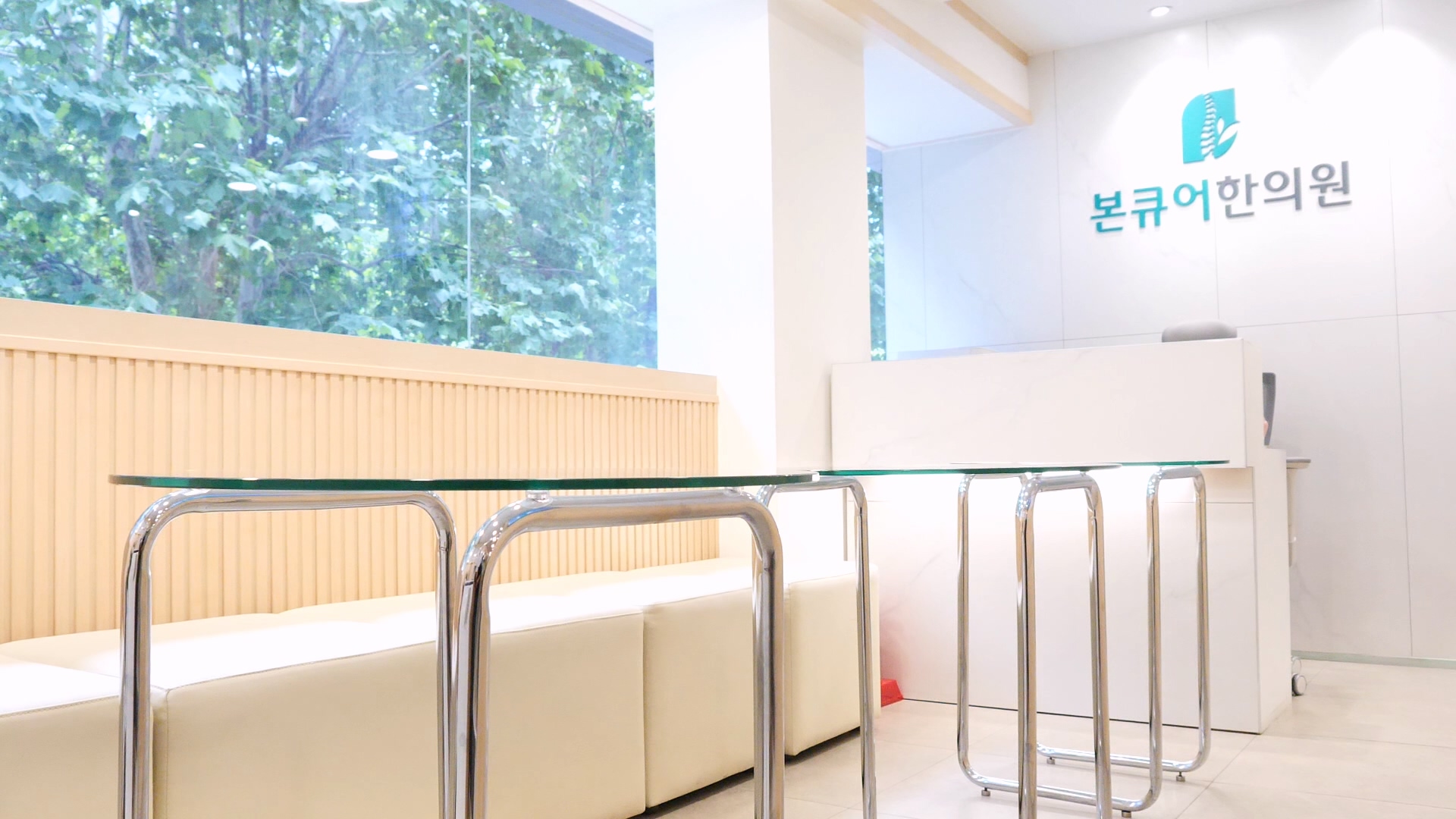
By addressing the root causes of physical decline rather than merely suppressing surface-level indicators, this clinical methodology aims to support sustainable vitality and long-term resilience against seasonal and environmental stressors.
What is the Korean Medicine Perspective on the Immune System?
The Korean medicine perspective on the immune system defines immunity not as an isolated cellular response, but as a state of dynamic equilibrium where the body's internal defenses successfully resist external pathogens. In this framework, health is preserved when the flow of vital energy remains unobstructed and the musculoskeletal architecture supports optimal physiological functions.
Defining Internal Balance and Pathogenic Factors
In traditional clinical theory, the concept of wellness is deeply rooted in the preservation of internal equilibrium against pathogenic influences. When external stressors, historically classified as environmental pathogens, invade a compromised system, they exploit pre-existing vulnerabilities within the internal organs and structural pathways. My observations at Bonecure suggest that structural imbalances often exacerbate these internal weaknesses, creating localized areas of stagnation where metabolic wastes accumulate. This accumulation disrupts the natural regulatory feedback loops of the body, making the individual more susceptible to recurrent seasonal health challenges. By identifying these specific areas of stagnation through careful physical evaluation, Korean medicine seeks to restore the harmonious interaction between the structural framework and internal organ systems. This approach does not target a single virus or bacterium; instead, it optimizes the systemic environment, making it less hospitable to external disruptive elements and fostering a state of natural defense.
The Role of Vital Energy or Qi in Natural Defense
Vital energy, traditionally referred to as Qi, serves as the fundamental driving force behind the body's innate protective boundaries and defensive capabilities. Within this paradigm, a specialized form of defensive energy circulates near the surface of the body, acting as a primary barrier against environmental pathogens and sudden temperature shifts. When structural misalignments or chronic physical stress deplete this protective energy, the entire system experiences a noticeable decline in its natural recuperative capacity. At Bonecure, we focus on identifying mechanical obstructions that hinder the smooth circulation of vital energy throughout the musculoskeletal network. It is important to recognize that a deficiency in defensive energy often manifests as prolonged fatigue, slow recovery times, and heightened sensitivity to environmental changes. Restoring the smooth flow of vital energy helps revitalize the overall system, allowing the body's intrinsic defenses to function efficiently and adaptively without exhausting its core energetic reserves during daily activities.
Why Holistic Resilience Matters More Than Temporary Relief
Shifting the clinical focus from temporary symptomatic suppression to long-term holistic resilience is essential for managing chronic constitutional weaknesses effectively. While standard care often focuses on immediate localized discomfort or acute immune responses, a comprehensive Korean medicine approach emphasizes identifying and managing the underlying structural or energetic factors alongside symptomatic care. A comprehensive framework focuses on fortifying the entire physiological foundation so that the body can independently maintain its internal balance over time. For individuals seeking a sustainable Korean medicine immune system boost, cultivating this type of resilience involves addressing chronic structural strain alongside metabolic optimization. For more context on our comprehensive methods, you may review A 2026 Clinical Guide to a Korean Medical Wellness Clinic: Structural Restoration at BonCure. Elevating systemic resilience ensures that the body retains its adaptive capacity, allowing it to navigate external stressors, physical fatigue, and environmental shifts with minimal disruption to daily health.
Core Principles of Bonecure Korean Medicine for Immune Enhancement
The core principles of Bonecure Korean medicine for immune enhancement center on the clinical integration of structural restoration, targeted acupotomy, and individualized herbal protocols to optimize systemic defense mechanisms. By correcting physical misalignments and releasing deep tissue restrictions, this methodology aims to enhance autonomic function and restore the body's natural capacity for self-regulation.
Restoring Structural Integrity to Support Systemic Health
The structural integrity of the human framework is directly linked to the operational efficiency of the autonomic nervous system and overall physiological defense. When spinal misalignments or postural distortions compress peripheral nerves, the critical communication lines between the central nervous system and the immune organs can become significantly impaired. At Bonecure, my clinical approach emphasizes the meticulous realignment of the vertebral column to alleviate these mechanical compressions and support healthy neural transmission. Chronic structural stress not only causes localized musculoskeletal discomfort but also forces the body to expend valuable metabolic energy on maintaining an unbalanced posture. By restoring proper spinal curvature and structural symmetry, we help minimize this unnecessary energy expenditure, allowing the system to redirect its vital resources toward cellular defense and tissue repair. Maintaining a balanced skeletal structure serves as a physical foundation that supports the harmonious operation of all internal physiological systems.
Integrating Acupotomy for Releasing Adhesions and Improving Circulation
Acupotomy is a specialized micro-surgical procedure utilizing a flat-bladed therapeutic needle designed to safely lyse chronic soft tissue adhesions and deep structural restrictions. Over time, chronic inflammation and mechanical stress cause muscles and fascial layers to stick together, forming rigid physical barriers that limit local blood supply and lymphatic flow. By carefully releasing these deep tissue blockages, acupotomy helps restore normal circulation, allowing immune cells to travel efficiently to areas requiring defense and recovery. However, patients must be aware that acupotomy is an intricate procedure that carries certain inherent limitations and risks, including temporary localized soreness, minor bleeding, or rare instances of infection at the treatment site. In my practice at Bonecure, this technique is performed under strict sanitary conditions to optimize safety while targeting the deep structural root causes of chronic stagnation, which ultimately assists the body's natural self-healing capabilities.
Personalized Herbal Prescriptions for Long-term Vitality
Individualized herbal formulations play an indispensable role in replenishing depleted constitutional reserves and sustaining long-term physiological vitality. Unlike standardized supplements, personalized prescriptions are meticulously tailored to match an individual's unique metabolic profile, structural state, and specific patterns of internal organ disharmony. These botanical blends work synergistically to nourish vital fluids, support digestive health, and enhance the body's adaptive responses to chronic psychological or physical stress. For patients interested in exploring how customized herbal strategies complement structural treatments, a detailed overview can be found in A 2026 Clinical Guide to Traditional Korean Herbal Medicine Consultation at Bonecure. While these natural formulations provide profound support for structural recovery and systemic vitality, clinical outcomes naturally vary based on individual baseline health, necessitating a thorough initial evaluation to determine the most appropriate herbal strategy for long-term physiological wellness.
Evidence-Based Approaches to Strengthening Immunity
Evidence-based approaches to strengthening immunity combine traditional clinical observations with objective diagnostic metrics to validate structural and physiological improvements. This dual framework ensures that treatment plans are guided by quantifiable data, tracking changes in spinal alignment and autonomic nervous system stability throughout the care cycle.
| Clinical Aspect | Modern Korean Medicine Approach | Conventional Symptomatic Focus |
|---|---|---|
| Primary Objective | Structural alignment and internal metabolic balance | Immediate management of localized symptoms |
| Primary Modalities | Acupotomy, structural adjustment, tailored herbs | Pharmacological interventions, targeted therapies |
| Assessment Metrics | Whole spine X-ray, heart rate variability analysis | Laboratory blood panels, diagnostic imaging |
| Long-term Strategy | Cultivating holistic resilience and self-regulation | Suppressing acute physiological responses |
| Procedural Nature | Focuses on deep tissue adhesion release | Focuses on systemic or biochemical mediation |
Clinical Case Observations: Improving Autonomic Function through Spinal Alignment
Clinical case observations provide valuable insights into how structural correction influences systemic health, though individual outcomes always depend on a patient's unique medical history. Clinical observations and research literature indicate that structural correction can play a supportive role in managing systemic health and autonomic function, though individual outcomes always depend on a patient's unique medical history. For example, clinical studies on conditions involving chronic nerve irritation, such as certain types of tinnitus or sudden hearing loss, suggest that reducing deep mechanical tension around the cervical spine may help support neurological stability and auditory indicators. Rather than focusing on isolated symptoms, targeted structural care at Bonecure aims to assist the body's natural recuperative mechanisms by addressing musculoskeletal alignment, though individual results naturally vary based on baseline health and condition severity.
Objective Assessment Tools: From HRV to Whole Spine X-ray Analysis
Utilizing objective assessment tools is vital for transforming subjective clinical improvements into verifiable, scientific data that can be systematically tracked over time. Heart rate variability analysis serves as a primary metric for evaluating the state of the autonomic nervous system, measuring the delicate balance between sympathetic and parasympathetic activation. Additionally, whole spine X-ray imaging allows for a precise structural analysis, mapping out specific deviations from optimal spinal curves and identifying areas of mechanical stress. These objective metrics enable me to design precise treatment pathways at Bonecure that directly address both the structural and autonomic components of health. It is essential to emphasize that chronic or severe conditions often require multiple therapeutic sessions to achieve lasting structural stabilization. By regular monitoring through these diagnostic tools, we ensure that every adjustment and herbal modification is aligned with the patient's objective physiological progress.
Practical Lifestyle Habits to Support Your Immune System
Practical lifestyle habits to support your immune system are daily behavioral practices designed to maintain structural alignment and maximize the body's natural metabolic efficiency. Integrating mindful movement, proper posture, and targeted nutrition helps preserve the physiological benefits achieved through formal clinical treatments.
Postural Alignment Exercises for Better Respiratory Function
Engaging in regular postural alignment exercises is a practical method to optimize diaphragm movement and enhance overall respiratory capacity. When individuals maintain a slouched position, the thoracic cavity compresses, limiting lung expansion and reducing the oxygenation required for efficient cellular metabolism. Simple corrective exercises, such as scapular retractions and gentle cervical extensions, help counteract the modern habits of prolonged sitting and screen utilization. In my practice at Bonecure, I observe that patients who consistently perform these structural exercises experience less muscle tension in the upper body. Improved posture allows the rib cage to expand fully, supporting optimal breathing patterns that naturally reduce physical stress responses within the body. To learn more about maintaining structural harmony in daily life, patients can read A 2026 Clinical Guide to Structural Restoration at BonCure Korean Medicine Clinic. Consistently practicing these movements reinforces skeletal alignment and supports healthy systemic function.
Nutritional Synergy for Enhancing Recovery Power
Nutritional synergy refers to the enhanced health benefits achieved when whole foods and natural metabolic supports are consumed in balanced combinations. A well-functioning digestive tract is fundamental to immune health, as a significant portion of the body's immunologically active cells reside within the gastrointestinal system. Consuming a diverse diet rich in unrefined complex carbohydrates, lean proteins, and essential fatty acids provides the necessary building blocks for tissue repair and cellular defense. At Bonecure, I advise patients to focus on warm, easily digestible meals that support the body's metabolic fire rather than depleting energy through excessive processing. Avoiding highly refined sugars and artificial additives helps minimize low-grade systemic inflammation, allowing the body to focus its energy on maintaining robust defensive systems. When healthy dietary habits are combined with optimal internal balance, the body's natural capacity to recover from daily physical stressors is significantly enhanced.
The Importance of Consistent Care for Chronic Fatigue and Recurrent Illness
Maintaining a commitment to consistent, long-term care is critical when addressing deep-seated chronic fatigue and recurrent environmental illnesses. These complex health challenges rarely develop overnight; rather, they are typically the culmination of prolonged structural strain, accumulated metabolic waste, and persistent autonomic nervous system exhaustion. Expecting immediate resolution from long-standing conditions is unrealistic, as deep tissues and chronic structural adaptations require time and steady reinforcement to safely remodel. At Bonecure, regular clinical check-ups and adaptive treatment protocols help prevent minor physiological imbalances from developing into severe systemic depletions. It is important to emphasize that managing chronic or complex constitutional issues effectively requires a collaborative approach involving multi-session care plans tailored to individual recovery rates. Prioritizing consistency in both clinical treatments and daily lifestyle modifications ensures that the body builds a durable foundation of wellness capable of resisting future health challenges.
Key Takeaways
- Achieving a sustainable Korean medicine immune system boost requires a dual focus on correcting structural misalignments and optimizing internal metabolic functions.
- Acupotomy serves as a targeted method to release deep soft tissue adhesions, improving local circulation and assisting the natural transport of immune cells, though temporary soreness may occur.
- Clinical progress is systematically verified through objective assessment tools, including heart rate variability metrics and whole spine X-ray imaging.
- Long-term physiological resilience is maintained through a combination of customized herbal prescriptions and consistent, multi-session care tailored to individual constitutional needs.
Frequently Asked Questions
Q. What exactly does a Korean medicine immune system boost involve?
A Korean medicine immune system boost involves a comprehensive, holistic approach that addresses the root causes of physical decline by balancing internal organ functions and correcting structural misalignments. Instead of focusing solely on temporary symptomatic relief, this methodology optimizes the body's natural defense mechanisms through targeted therapies like acupotomy and personalized herbal prescriptions. By improving overall circulation and nervous system communication, it helps build long-term physiological resilience against environmental stressors.
Q. How does spinal alignment relate to my immune health?
Proper spinal alignment ensures that the central nervous system communicates effectively with the rest of the body, including the primary immune organs. When the spine is misaligned, mechanical compressions can impair neural transmission and force the body to waste vital metabolic energy on maintaining posture. Realignment minimizes this unnecessary strain, allowing physiological resources to be efficiently directed toward cellular defense and tissue repair.
Q. Are there any side effects to the acupotomy treatments used for recovery?
Acupotomy is a specialized micro-surgical procedure that is safe when performed under strict sanitary conditions, but it does have certain inherent limitations and risks. Patients may experience temporary localized soreness, minor bleeding, or rare instances of infection at the treatment site following a session. Individual reactions always vary based on baseline health, and any potential side effects typically resolve within a few days.
Q. How many sessions are typically required to see an improvement in vitality?
The specific number of sessions required depends entirely on an individual's chronic health state, the severity of structural misalignments, and their unique constitutional resilience. While some patients notice positive changes in their physical comfort early in the process, chronic and deep-seated conditions generally necessitate a consistent, multi-session course of care. A thorough initial evaluation allows for the creation of a personalized treatment plan tailored to your recovery rate.
Q. Can Korean medicine help with chronic fatigue related to low immunity?
Yes, Korean medicine addresses chronic fatigue by identifying and treating the underlying root causes of energy depletion, such as structural strain or metabolic imbalances. By utilizing personalized herbal therapy to replenish constitutional reserves and structural adjustments to optimize neural function, it helps restore sustainable energy levels. This comprehensive approach ensures that the body recovers its natural self-regulatory capacity over time.
Q. Is there scientific evidence supporting these traditional methods?
At Bonecure, we utilize objective diagnostic assessment tools such as heart rate variability analysis and whole spine X-ray imaging to track physiological progress. These metrics provide clear, quantifiable data showing improvements in autonomic nervous system balance and structural symmetry throughout the care cycle. Additionally, various published clinical case reports document positive outcomes for complex conditions, though individual results will naturally vary.
Q. What should I do if I have a complex condition like an autoimmune disorder?
If you are managing a complex or chronic condition like an autoimmune disorder, it is essential to schedule a detailed personal consultation with a licensed Korean medicine practitioner. This allows for a comprehensive evaluation of your medical history, current structural alignment, and constitutional state to determine if specialized therapies are appropriate. An individualized approach ensures that your treatment plan is safe, targeted, and synchronized with your overall healthcare strategy.
To experience a comprehensive evaluation of your structural alignment and autonomic health, please schedule a detailed consultation with our clinical team. Bonecure / Dr. Jeong-hyun Song
FAQ
- What exactly does a Korean medicine immune system boost involve?
- A Korean medicine immune system boost involves a comprehensive, holistic approach that addresses the root causes of physical decline by balancing internal organ functions and correcting structural misalignments. Instead of focusing solely on temporary symptomatic relief, this methodology optimizes the body's natural defense mechanisms through targeted therapies like acupotomy and personalized herbal prescriptions. By improving overall circulation and nervous system communication, it helps build long-term physiological resilience against environmental stressors.
- How does spinal alignment relate to my immune health?
- Proper spinal alignment ensures that the central nervous system communicates effectively with the rest of the body, including the primary immune organs. When the spine is misaligned, mechanical compressions can impair neural transmission and force the body to waste vital metabolic energy on maintaining posture. Realignment minimizes this unnecessary strain, allowing physiological resources to be efficiently directed toward cellular defense and tissue repair.
- Are there any side effects to the acupotomy treatments used for recovery?
- Acupotomy is a specialized micro-surgical procedure that is safe when performed under strict sanitary conditions, but it does have certain inherent limitations and risks. Patients may experience temporary localized soreness, minor bleeding, or rare instances of infection at the treatment site following a session. Individual reactions always vary based on baseline health, and any potential side effects typically resolve within a few days.
- How many sessions are typically required to see an improvement in vitality?
- The specific number of sessions required depends entirely on an individual's chronic health state, the severity of structural misalignments, and their unique constitutional resilience. While some patients notice positive changes in their physical comfort early in the process, chronic and deep-seated conditions generally necessitate a consistent, multi-session course of care. A thorough initial evaluation allows for the creation of a personalized treatment plan tailored to your recovery rate.
- Can Korean medicine help with chronic fatigue related to low immunity?
- Yes, Korean medicine addresses chronic fatigue by identifying and treating the underlying root causes of energy depletion, such as structural strain or metabolic imbalances. By utilizing personalized herbal therapy to replenish constitutional reserves and structural adjustments to optimize neural function, it helps restore sustainable energy levels. This comprehensive approach ensures that the body recovers its natural self-regulatory capacity over time.
- Is there scientific evidence supporting these traditional methods?
- At Bonecure, we utilize objective diagnostic assessment tools such as heart rate variability analysis and whole spine X-ray imaging to track physiological progress. These metrics provide clear, quantifiable data showing improvements in autonomic nervous system balance and structural symmetry throughout the care cycle. Additionally, various published clinical case reports document positive outcomes for complex conditions, though individual results will naturally vary.
- What should I do if I have a complex condition like an autoimmune disorder?
- If you are managing a complex or chronic condition like an autoimmune disorder, it is essential to schedule a detailed personal consultation with a licensed Korean medicine practitioner. This allows for a comprehensive evaluation of your medical history, current structural alignment, and constitutional state to determine if specialized therapies are appropriate. An individualized approach ensures that your treatment plan is safe, targeted, and synchronized with your overall healthcare strategy.