
Post
Dr. Song Jeong-hyeon Acupuncture: A 2026 Evidence-First Approach to Structural Restoration at Bonecure
Hello. I am Dr. Song Jung-hyun, a licensed Korean medicine practitioner who has spent many years specializing in advanced acupotomy and structural alignment. My clinical approach is built on the profound understanding that when the skeletal foundation of the body is misaligned, the surrounding soft tissues become chronically strained, leading to intractable pain and systemic dysfunction. At Bonecure, we operate under the core philosophy that true healing begins when the physical structure achieves improved balance and functional stability.
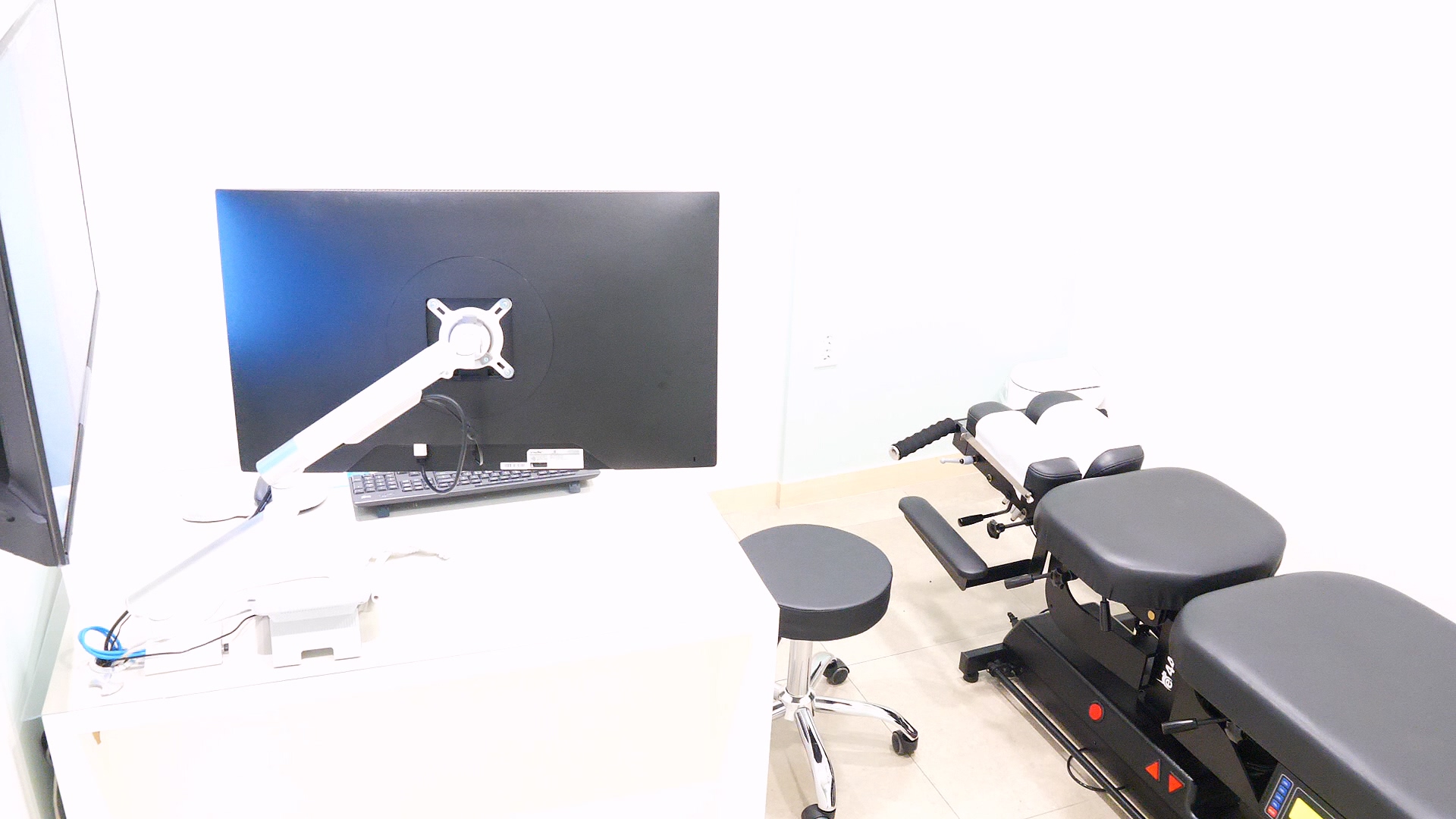
Please note that individual results may vary depending on the patient's condition. This article serves as an evidence-first guide to understanding how structural restoration can transform your health. If you are seeking to move beyond temporary relief and address the foundational imbalances of your body, Book a Consultation with Dr. Song Jung-hyun: A Guide to Structural Restoration at BonCure to begin your personalized journey toward lasting vitality.
Introduction to Dr. Song Jeong-hyeon and Bonecure Acupuncture
Dr. Song Jeong-hyeon acupuncture is a specialized clinical methodology that prioritizes the correction of skeletal misalignments and the release of deep tissue obstructions to facilitate the body's natural healing capacity. When the spine or peripheral joints lose their proper positioning, the nervous system and vascular pathways can experience chronic compression. This systemic disruption often manifests as persistent musculoskeletal discomfort or complex autonomic imbalances. By combining sophisticated diagnostic evaluations with precise anatomical interventions, this treatment paradigm focuses on restoring the fundamental integrity of the human frame.
A Philosophy Rooted in Structural Balance
The core philosophy of my practice is encapsulated in the guiding principle that when your bones smile, life smiles. This perspective emphasizes that the structural framework of the body dictates the functional health of its internal systems. Chronic postural degeneration can compromise neural transmission, which may lead to secondary health concerns across the entire body. Our clinical focus remains dedicated to addressing these underlying structural anomalies rather than merely suppressing the superficial indicators of discomfort. Through meticulous assessment, we work to re-establish the baseline equilibrium necessary for long-term physiological harmony.
Understanding the Core Principles of Acupuncture Therapy at Bonecure
At the center of our therapeutic interventions is the deliberate utilization of specialized needles to target deep anatomical structures. Unlike superficial stimulation techniques, the procedures performed at Bonecure are designed to reach the exact points of mechanical restriction and tissue adhesion. By identifying these localized zones of chronic tension, the treatment helps to re-establish proper microcirculation and alleviate the mechanical strain placed on adjacent nerve fibers. This meticulous process supports the structural framework, allowing the body to initiate its intrinsic tissue repair mechanisms.
The Role of Bonecure in Modern Korean Medicine
Modernized Korean medicine represents a critical bridge between time-tested clinical wisdom and contemporary anatomical science. At Bonecure, we integrate traditional meridian theories with advanced biomechanical analysis to provide a highly objective standard of patient care. This synthesis allows for a more comprehensive understanding of complex pathologies that affect both the structural alignment and the autonomic nervous system. By utilizing verifiable clinical parameters, our practice ensures that each therapeutic protocol is tailored to the precise physiological needs of the individual.
Innovative Acupuncture Techniques by Dr. Song Jeong-hyeon
Dr. Song Jeong-hyeon acupuncture employs highly advanced modalities designed to physically alter compromised soft tissues and restore restricted joint dynamics. Standard acupuncture needles are excellent for neuromuscular modulation, but chronic fibrotic alterations often require a more direct structural intervention. By utilizing specialized instruments, it becomes possible to address deep-seated pathology within the myofcial layers. This innovative approach provides a vital clinical option for individuals who have not achieved satisfactory progress through conventional treatment methods and are seeking alternative structural interventions.
The Science of Acupotomy for Releasing Tissue Adhesion
Acupotomy is an advanced procedure that utilizes a specialized, micro-blade needle to physically release chronic adhesions within stiffened musculoskeletal tissues. Over years of repetitive strain or trauma, the body develops dense scar tissue that binds muscles, tendons, and ligaments together, severely restricting mobility. By carefully introducing the acupotomy instrument into these areas of chronic fibrosis, the practitioner can mechanically separate the adhered fibers. This process induces a controlled, localized micro-trauma that stimulates the delivery of fresh oxygenated blood and essential growth factors. Consequently, the stiffened, pathological tissue can gradually transition back into a flexible, normal state.
Restoring Mobility Through Precision Structural Realignment
Achieving optimal joint mobility requires the systematic decompression of the surrounding soft tissue structures. When chronic adhesions are successfully resolved, the mechanical restrictions holding a joint in a subluxated position are effectively diminished. This structural liberation allows for the gentle application of corrective forces to realign the skeletal framework. Improved structural alignment reduces the uneven wear and tear on cartilage, thereby supporting long-term joint longevity. Patients frequently observe a progressive improvement in their active range of motion as the structural barriers to movement are systematically removed.
Integrating Traditional Wisdom with Modern Clinical Evidence
The integration of classical medical principles with rigorous modern science is essential for advancing patient outcomes. In my practice, clinical decisions are informed by published scientific literature, including my own peer-reviewed case reports documenting structural and autonomic improvements. For instance, objective evaluations such as whole-spine X-ray analysis are utilized to visually confirm alterations in spinal curvature before and after an extended course of treatment. This evidence-first approach removes ambiguity from the therapeutic process, ensuring that every procedure is grounded in verifiable anatomical facts.
Understanding the Structural Restoration Approach at Bonecure
When evaluating choices for managing chronic musculoskeletal conditions, it is valuable to understand the specific therapeutic mechanisms of our interventions. The specialized treatments at Bonecure focus on the direct release of deep fibrotic tissues and the restoration of structural alignment. By identifying localized zones of chronic tension, our approach aims to re-establish proper microcirculation and alleviate mechanical strain. This process supports the body's intrinsic repair mechanisms, though it is important to note that chronic conditions may require multiple sessions and results can vary between individuals.
Key Differences in Treatment Mechanism and Long-term Results
The structural approach utilized at Bonecure focuses on actively addressing the physical state of chronically degenerated tissues. While various therapies provide relief by increasing local blood flow and altering sensory pain perception, our focus remains on the deep mechanical environment. However, if the underlying mechanical adhesion remains intact, the structural strain on the joint will persist, causing the discomfort to return. By physically separating these deep fibrotic bonds, advanced acupuncture aims to change the mechanical environment of the affected region, which can lead to more sustainable structural outcomes.
Structural Realignment vs. Symptomatic Pain Management
Symptomatic pain management focuses primarily on reducing the sensation of discomfort, whereas structural realignment addresses the anatomical imbalances that cause the pain to develop. When a spinal segment is misaligned, the surrounding muscles must contract chronically to stabilize the area, leading to ischemic pain. Simply treating the muscle tension without correcting the underlying osseous position offers short-lived benefits. Our focus is directed at resolving the deep ligamentous restrictions, allowing the spine to return to a more neutral, balanced alignment.
Clinical Comparison: Why Precision Targeting Matters
Precision targeting is critical when dealing with long-standing, intractable pain syndromes. Chronic inflammation often leads to the formation of microscopic adhesions around delicate nerve roots and blood vessels. Standard generalized treatments may fail to reach these precise locations, leaving the core pathology unresolved. Utilizing a specialized needle allows for exact micro-localization, ensuring that the therapeutic intervention is delivered directly to the site of the restriction. This level of accuracy minimizes unnecessary irritation to healthy surrounding tissues while maximizing the efficiency of the treatment.
Specialized Care for Chronic and Complex Conditions
Dr. Song Jeong-hyeon acupuncture offers specialized pathways for individuals suffering from chronic and complex health challenges that extend beyond simple muscle strains. Many patients present with multi-faceted syndromes involving both structural misalignment and systemic neurological dysfunction. These conditions often require a comprehensive understanding of how the physical structure influences internal physiology. For a deeper analysis of these methods, you can read Integrated Pain Management Seoul: A 2026 Guide to Structural Restoration at BonCure, which outlines our comprehensive care protocols. By addressing the structural components of these complex disorders, we help patients find a path toward stable recovery.
Managing Autonomic Nervous System Imbalance and Tinnitus
The relationship between cervical spine alignment and the autonomic nervous system is an area of significant clinical importance. Chronic subluxation of the upper cervical vertebrae can create mechanical tension on the sympathetic ganglia and vertebral arteries, potentially contributing to symptoms such as dizziness, headaches, and chronic tinnitus. In my clinical experience, utilizing precise acupotomy to release deep craniocervical tissue restrictions can help alleviate this abnormal mechanical pressure. My published case reports on conditions like chronic tinnitus and autonomic dysfunction indicate that stabilizing the cervical structure can support the normal functioning of adjacent neurological pathways.
Structural Solutions for Spine Curvature and Chronic Back Pain
Spine curvature abnormalities, including moderate idiopathic scoliosis and loss of normal cervical lordosis, present severe challenges to the entire musculoskeletal system. These structural deviations cause asymmetric loading across the intervertebral discs, accelerating degenerative disc disease. Through the strategic application of acupotomy and specialized structural adjustment techniques, we target the shortened, fibrotic ligaments that lock the spine into these pathological curves. Gradually releasing these restrictions helps facilitate a more balanced distribution of mechanical weight across the entire vertebral column, reducing chronic back pain.
Patient Recovery Support and Long-term Maintenance Plans
Achieving structural health is a progressive process that requires a combination of clinical intervention and consistent post-treatment care. Once the primary structural blockages are resolved, patients are provided with targeted ergonomic guidance to prevent the recurrence of tissue adhesions. Long-term maintenance plans are customized to match the patient's professional lifestyle and physical demands. Regular follow-up evaluations allow us to monitor spinal alignment and address minor structural changes before they develop into chronic painful conditions, ensuring sustained physical vitality.
Safety and Expectations During Your Treatment Journey
Embarking on a structural restoration journey requires a clear understanding of the treatment processes, potential outcomes, and inherent clinical limitations. As with any medical procedure that involves deep tissue intervention, there are specific physiological responses that patients should expect. Transparency is fundamental to our practice, and we ensure that every individual is fully informed of both the potential benefits and the expected healing phases. This shared understanding fosters a collaborative environment that supports a safe and efficient recovery process.
Understanding Potential Side Effects and Healing Processes
It is important for patients to understand that acupotomy is an invasive procedure, and individual physiological responses will vary. Following treatment, patients commonly experience localized soreness, minor swelling, or temporary bruising at the insertion sites, which typically resolves within a few days. In very rare instances, localized infection or transient nerve irritation may occur, though we maintain strict sterilization and safety protocols to minimize these risks. Furthermore, chronic or severe structural conditions generally require multiple sessions over several weeks to achieve lasting structural stability, as a single treatment is rarely sufficient for complex cases.
Professional Consultation: The First Step to Structural Health
Every effective treatment plan begins with a highly precise and efficient structural assessment to accurately evaluate your physical framework. During this initial visit, we perform a targeted physical examination and a focused review of your condition to identify the most critical points for intervention. If you are experiencing persistent spinal discomfort, exploring A 2026 Clinical Guide to Spine and Joint Rehabilitation: The Bonecure Structural Approach can provide valuable context on our diagnostic methodology. This compressed and impactful evaluation ensures that the proposed treatment protocol is safe, appropriate, and perfectly aligned with your health goals.
Patient Responsibilities and Post-treatment Care Guidelines
Active patient participation is a crucial factor in achieving successful long-term structural restoration. Following an acupuncture session, patients are advised to rest the treated area and avoid strenuous physical exertion for at least twenty-four to forty-eight hours. Adhering to the prescribed postural corrections and gentle stretching exercises helps maintain the structural improvements achieved during clinical visits. By eliminating poor ergonomic habits and maintaining adequate hydration, patients play a direct role in supporting the regeneration of healthy, functional musculoskeletal tissues.
Key Takeaways
- Structural Focus: Dr. Song Jeong-hyeon acupuncture focuses on the root causes of chronic pain by correcting skeletal misalignments and releasing deep tissue adhesions.
- Advanced Modalities: The utilization of precision acupotomy at Bonecure allows for the mechanical release of fibrotic scar tissue, supporting normal tissue regeneration.
- Evidence-First Care: Clinical decisions are supported by objective diagnostic tools, including whole-spine X-rays and published case reports.
- Comprehensive Management: Treatment plans address complex conditions, including musculoskeletal disorders and related autonomic nervous system imbalances.
- Patient Collaboration: Achieving lasting structural health requires a combination of expert clinical procedures and consistent post-treatment ergonomic care.
Frequently Asked Questions
Q. What is the primary treatment philosophy of Dr. Song Jeong-hyeon at Bonecure?
Our primary clinical philosophy is centered on the principle that when your bones smile, life smiles. This means that structural alignment and the release of chronic tissue adhesions are absolutely essential to restoring the body's natural balance, nervous system function, and overall physical mobility. Rather than simply managing superficial symptoms, we focus on identifying and correcting the foundational structural imbalances that lead to chronic pain.
Q. What is acupotomy and how does it differ from standard acupuncture?
Acupotomy is an advanced procedure that utilizes a specialized, micro-blade needle to physically release tight adhesions and fibrotic scar tissue within chronically stiffened musculoskeletal structures. While standard acupuncture is highly effective for neuromodulation and stimulating localized energy flow, acupotomy provides a direct mechanical intervention. This mechanical release is essential for breaking down dense adhesions, improving microcirculation, and allowing normal tissue regeneration to take place.
Q. Are there any side effects associated with the acupuncture treatments at Bonecure?
As with any invasive clinical procedure, patients may experience mild localized soreness, temporary bleeding, minor swelling, or bruising at the treatment site, which usually subsides within a few days. In very rare instances, localized infection or transient nerve irritation can occur. We follow strict hygiene and sterilization protocols to minimize these risks, and we ensure that all material risks are thoroughly discussed prior to beginning treatment.
Q. How many sessions are typically required to see significant results?
The total number of required treatment sessions varies substantially based on the individual's specific condition, age, and lifestyle factors. While some individuals notice an immediate improvement in mobility and a reduction in discomfort, chronic or severe structural misalignments typically require multiple sessions over several weeks to achieve stable and lasting changes. A precise timeline can only be determined after a thorough physical examination.
Q. Can Dr. Song Jeong-hyeon treat non-musculoskeletal issues like tinnitus or dizziness?
Yes, our clinical practice includes the management of complex conditions such as chronic tinnitus, headaches, and autonomic nervous system disorders. These conditions are frequently influenced by mechanical tension and compression within the cervical spine. By utilizing precise acupotomy to release deep craniocervical tissue restrictions, we can help reduce abnormal pressure on adjacent nerves and blood vessels, which supports normal neurological health.
Q. Is there a guarantee that my chronic pain will be 100% cured?
We do not offer a 100% cure guarantee, as medical outcomes depend heavily on individual physiological responses, the severity of the condition, and post-treatment compliance. The human body is highly complex, and individual results will vary. However, we are deeply committed to utilizing objective clinical indicators, detailed diagnostic testing, and evidence-first protocols to systematically track and improve your specific structural condition.
Q. How can I find out the exact cost of the acupuncture sessions?
The exact cost of our specialized acupuncture and acupotomy sessions depends entirely on the specific diagnosis, the complexity of the structural misalignment, and the total number of areas requiring intervention. Because each treatment plan is highly customized to the individual patient, we recommend scheduling a professional consultation at Bonecure. During your initial assessment, we will provide a comprehensive breakdown of the recommended protocol and associated costs.
For personalized inquiries or to schedule a structural health evaluation, please reach out through our official channels. Bonecure / Dr. Song Jung-hyun
FAQ
- What is the primary treatment philosophy of Dr. Song Jeong-hyeon at Bonecure?
- Our primary clinical philosophy is centered on the principle that when your bones smile, life smiles. This means that structural alignment and the release of chronic tissue adhesions are absolutely essential to restoring the body's natural balance, nervous system function, and overall physical mobility. Rather than simply managing superficial symptoms, we focus on identifying and correcting the foundational structural imbalances that lead to chronic pain.
- What is acupotomy and how does it differ from standard acupuncture?
- Acupotomy is an advanced procedure that utilizes a specialized, micro-blade needle to physically release tight adhesions and fibrotic scar tissue within chronically stiffened musculoskeletal structures. While standard acupuncture is highly effective for neuromodulation and stimulating localized energy flow, acupotomy provides a direct mechanical intervention. This mechanical release is essential for breaking down dense adhesions, improving microcirculation, and allowing normal tissue regeneration to take place.
- Are there any side effects associated with the acupuncture treatments at Bonecure?
- As with any invasive clinical procedure, patients may experience mild localized soreness, temporary bleeding, minor swelling, or bruising at the treatment site, which usually subsides within a few days. In very rare instances, localized infection or transient nerve irritation can occur. We follow strict hygiene and sterilization protocols to minimize these risks, and we ensure that all material risks are thoroughly discussed prior to beginning treatment.
- How many sessions are typically required to see significant results?
- The total number of required treatment sessions varies substantially based on the individual's specific condition, age, and lifestyle factors. While some individuals notice an immediate improvement in mobility and a reduction in discomfort, chronic or severe structural misalignments typically require multiple sessions over several weeks to achieve stable and lasting changes. A precise timeline can only be determined after a thorough physical examination.
- Can Dr. Song Jeong-hyeon treat non-musculoskeletal issues like tinnitus or dizziness?
- Yes, our clinical practice includes the management of complex conditions such as chronic tinnitus, headaches, and autonomic nervous system disorders. These conditions are frequently influenced by mechanical tension and compression within the cervical spine. By utilizing precise acupotomy to release deep craniocervical tissue restrictions, we can help reduce abnormal pressure on adjacent nerves and blood vessels, which supports normal neurological health.
- Is there a guarantee that my chronic pain will be 100% cured?
- We do not offer a 100% cure guarantee, as medical outcomes depend heavily on individual physiological responses, the severity of the condition, and post-treatment compliance. The human body is highly complex, and individual results will vary. However, we are deeply committed to utilizing objective clinical indicators, detailed diagnostic testing, and evidence-first protocols to systematically track and improve your specific structural condition.
- How can I find out the exact cost of the acupuncture sessions?
- The exact cost of our specialized acupuncture and acupotomy sessions depends entirely on the specific diagnosis, the complexity of the structural misalignment, and the total number of areas requiring intervention. Because each treatment plan is highly customized to the individual patient, we recommend scheduling a professional consultation at Bonecure. During your initial assessment, we will provide a comprehensive breakdown of the recommended protocol and associated costs.