
Post
Korean Acupuncture Techniques for Athletes: A 2026 Clinical Approach to Structural Recovery and Peak Performance
Greetings. I am Dr. Song Jung-hyun, a practitioner of Korean medicine who has long specialized in acupotomy.
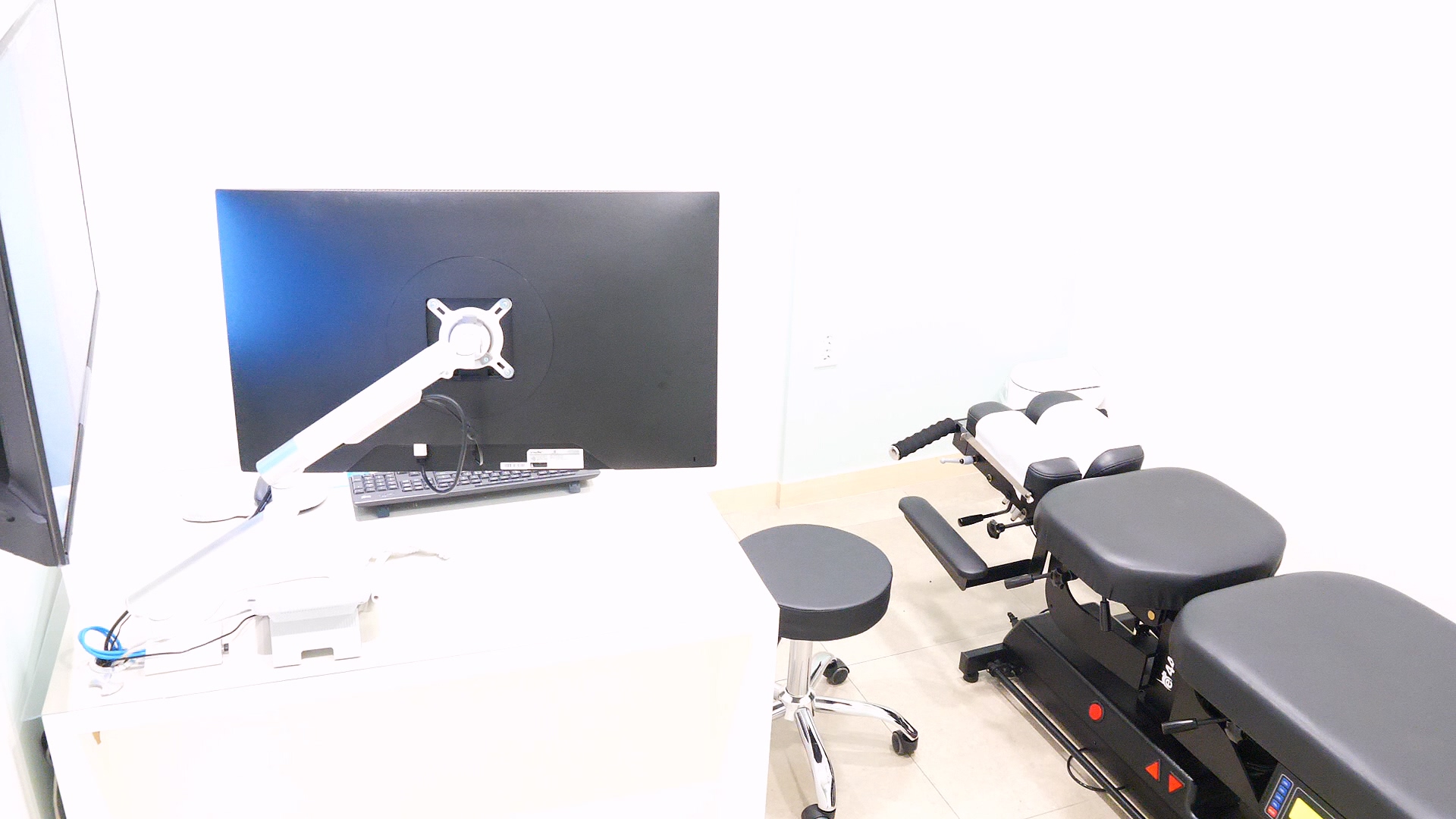
Elite competitors constantly push their physical limits, often leading to deep myofascial restriction, structural distortion, and chronic pain that impairs functional movement. The strategic application of traditional and modern Korean acupuncture techniques for athletes provides a precise, evidence-first framework to release deep tissue adhesions and normalize biomechanical tracking. By focusing on both localized tissue pathology and global kinetic balance, these specialized interventions offer a reliable pathway to restore underlying joint mechanics and accelerate natural tissue regeneration.
1. Understanding Korean Acupuncture Techniques for Athletes
Korean acupuncture techniques for athletes represent a sophisticated synthesis of classic meridian regulation and contemporary biomechanical analysis designed to optimize human performance. At its foundation, this therapeutic approach recognizes that structural deviation and restricted kinetic energy are primary drivers of chronic musculoskeletal failure. Rather than merely masking localized symptoms, the primary clinical objective is to identify the root structural causes of functional impairment. Specialized interventions target deep myofascial lines, neuromuscular junctions, and periosteal attachments to alleviate persistent tension and restore healthy joint arthrokinematics.
The Core Principles of Korean Sports Acupuncture and Acupotomy
Korean sports acupuncture integrates traditional meridian theories with advanced anatomical precision to address deep-seated soft tissue restrictions. A hallmark of this approach is the utilization of acupotomy, a specialized flat-bladed micro-needle designed to physically release fibrotic adhesions and calcified bands. Chronic repetitive micro-trauma often leads to micro-vascular ischemia and localized collagen cross-linking within deep fascial planes. By executing meticulous micro-dissections of these hardened structures, acupotomy initiates a localized inflammatory cascade that stimulates structural remodeling. This targeted intervention breaks down stubborn scar tissue, promotes cellular proliferation, and enhances local micro-circulation. Consequently, the affected tissue undergoes genuine architectural regeneration rather than temporary pain suppression, allowing the muscle to return to its optimal resting length and functional capacity.
Addressing Structural Alignment and Kinetic Balance in Competitors
Athletic performance depends on the meticulous coordination of the global kinetic chain, meaning a single joint restriction can compromise entire movement patterns. In our clinical framework, structural alignment is evaluated globally utilizing precise assessment tools such as whole-spine X-ray imaging to analyze spinal curvature and pelvic tilting. When structural distortions are present, muscular recruitment patterns become asymmetric, forcing secondary structures to hyper-compensate and eventually fail. Utilizing specialized acupuncture needles alongside traditional Korean chuna manual therapy allows for the simultaneous correction of soft tissue tension and structural deviations. This comprehensive methodology ensures that forces are distributed evenly across the musculoskeletal system during high-velocity athletic movements. Normalizing these underlying structural balances reduces abnormal shear stress on joints, preventing premature degeneration and maximizing long-term kinetic efficiency.
2. Comparing Korean Acupuncture Techniques with Western Physical Therapy
Comparing therapeutic modalities requires a thorough understanding of how different clinical philosophies interact with human physiology to achieve soft tissue recovery. While Western physical therapy emphasizes external mechanical rehabilitation, Korean sports medicine utilizes internal micro-stimulation to alter tissue architecture. Both approaches aim to restore functional mobility, but they operate through distinct physiological pathways that can be combined synergistically. Understanding these subtle differences allows for the design of comprehensive care plans that maximize structural integrity.
Complementary Mechanisms for Soft Tissue Recovery
Western physical therapy typically utilizes external forces, such as manual mobilization and targeted resistance training, to restore muscle strength and joint range of motion. In contrast, specialized Korean acupuncture techniques for athletes introduce precise internal stimulation directly into the deep, affected structures. The insertion of micro-needles triggers a neurochemical response, stimulating the release of endogenous opioids and down-regulating the sympathetic nervous system to mitigate central pain sensitization. Furthermore, advanced techniques like acupotomy address structural issues that are often deep enough to resist standard external manual pressure. When integrated correctly, internal needle stimulation resolves deep fascial restrictions, while subsequent physical therapy reinforces healthy movement patterns. This cooperative relationship ensures that the regenerated tissue is properly integrated into the athlete's functional movement patterns, accelerating overall recovery time.
Comprehensive Comparison of Modalities for Muscle and Joint Rejuvenation
The following table outlines the distinguishing characteristics, physiological impacts, and primary clinical targets of both traditional interventions and modern physical modalities.
| Modality | Primary Focus | Physiological Mechanism | Best Suited For |
|---|---|---|---|
| Acupotomy (Bonecure) | Deep structural tissue release | Micro-dissection of fibrotic adhesions, local remodeling | Chronic scar tissue, severe fascial restriction |
| Korean Sports Acupuncture | Neuromuscular tracking & balance | Autonomic nervous system regulation, micro-circulation | Acute muscle spasms, kinetic chain imbalances |
| Western Physical Therapy | External mechanical loading | Progressive overload, eccentric strengthening | Muscle atrophy, motor pattern rehabilitation |
| Manual Chuna Therapy | Articular and osseous alignment | Passive joint mobilization, structural decompression | Joint tracking errors, pelvic and spinal tilt |
3. Clinical Applications of Acupotomy for Sports Injury Management
Acupotomy represents a significant technological advancement in sports medicine, bridging the gap between conservative acupuncture and minimally invasive surgical interventions. This specialized modality is uniquely equipped to address stubborn, chronic conditions that have failed to respond to conventional conservative care. By targeting the precise anatomical sites of fascial entrapment, it provides an effective tool for restoring structural mobility.
Releasing Deep Tissue Adhesions to Restore Peak Mobility
Chronic overuse injuries, such as tendinopathies and severe plantar fasciitis, frequently result in dense, disorganized collagen deposition that limits joint mobility. These deep tissue adhesions restrict normal sliding mechanics between adjacent muscle bellies, leading to persistent mechanical disadvantage and recurrent inflammation. Acupotomy directly addresses this pathology by manually releasing the tight, micro-fibrotic bands that bind these critical tissue layers together. The specialized flat tip allows the clinician to perform delicate mechanical separation of the adhered tissues without causing collateral damage to adjacent neurovascular structures. The mechanical release immediately lowers intra-compartmental pressure, enhances local lymphatic drainage, and allows nutrient-rich blood to reach the damaged tissue. This structural restoration is crucial for establishing long-term joint mobility, allowing athletes to train without structural restrictions.
Case Insights on Athletic Recovery and Structural Normalization
In clinical settings, when addressing conditions like lateral pelvic tilt or acute hamstring restrictions, targeted acupotomy can be utilized to release deep fascial adhesions and support the restoration of normal biomechanics. For example, when managing asymmetric hip tracking that impairs running mechanics, a comprehensive evaluation can help identify underlying structural deviations, such as a distinct lateral pelvic tilt accompanied by compensatory thoracolumbar scoliosis. Through a structured treatment plan involving targeted acupotomy and structural alignment therapy, deep lumbar fascial adhesions can be systematically released to facilitate measurable improvements in spinal alignment and support the recovery of a fluid running gait. Similarly, applying targeted acupotomy for acute soft tissue restrictions can help improve the range of motion. These clinical principles indicate that resolving deep structural restrictions can effectively support the recovery of healthy biomechanics, although individual outcomes may vary depending on the patient's condition.
4. Safety Guidelines, Potential Risks, and Patient Expectations
Ensuring clinical safety and managing patient expectations are vital components of delivering professional, evidence-first sports medicine care. While specialized acupuncture techniques offer profound structural benefits, a transparent discussion regarding potential reactions and individual recovery timelines is necessary for every athlete. Every clinical procedure must balance therapeutic efficacy with a clear understanding of physiological responses.
Navigating Temporary Side Effects and Individual Treatment Variations
As with any clinical intervention that induces structural changes in deep tissues, certain temporary side effects can occur after treatment. Patients frequently experience localized muscular soreness, mild bruising, or minor, self-limiting bleeding at the insertion sites, which typically resolve within 24 to 48 hours. While extremely rare when performed under strict aseptic conditions by a licensed practitioner, risks such as localized infection or transient nerve irritation remain possible. Furthermore, it is vital to acknowledge that clinical outcomes are subject to individual treatment variations. The rate of tissue healing is influenced by factors such as age, nutritional status, training load, and the chronicity of the underlying injury. Chronic, severe structural distortions typically require multiple, sequential sessions to achieve stable, long-term architectural remodeling, whereas acute muscle spasms may resolve more quickly.
Designing a Personalized Recovery Plan at Bonecure
At Bonecure, we believe that successful sports rehabilitation requires a personalized, evidence-first treatment plan tailored to each athlete's unique structural architecture. Every plan begins with a comprehensive structural evaluation, incorporating biomechanical testing and necessary structural imaging to pinpoint the exact source of movement dysfunction. The resulting treatment strategy dynamically combines advanced acupotomy, specialized sports acupuncture, and targeted structural chuna therapy. The value and total cost of these specialized procedures are determined based on the clinical complexity of the injury and the specific modalities required, with detailed fee structures provided individually following the initial consultation. We advise all athletes to refrain from strenuous training, heavy lifting, and extreme heat exposure for at least 24 hours post-treatment to allow the treated tissues to heal. By prioritizing structural alignment and kinetic balance, we help athletes build a resilient foundation for long-term physical performance.
To optimize your structural alignment and accelerate your athletic recovery, please contact us to schedule a comprehensive evaluation. Book a Consultation with Dr. Song Jung-hyun: A Guide to Structural Restoration at BonCure Acupuncture for Chronic Pain Management: A 2026 Clinical Guide by Bonecure Integrated Pain Management Seoul: A 2026 Guide to Structural Restoration at BonCure
Key Takeaways
- Korean acupuncture techniques for athletes prioritize global structural alignment and target the root causes of kinetic dysfunction.
- Acupotomy utilizes a specialized flat-bladed tool to physically release deep, fibrotic tissue adhesions and scar tissue.
- Whole-spine X-ray assessments are utilized to identify structural deviations that create compensatory patterns across the kinetic chain.
- Temporary side effects can include mild soreness and minor bruising, and clinical outcomes vary based on individual structural health.
- Comprehensive, personalized recovery programs are designed to restore fluid, pain-free mobility and support long-term performance.
Frequently Asked Questions
Q. What makes Korean acupuncture techniques unique for athletic performance?
Korean acupuncture techniques focus heavily on constitutional balance and structural alignment. By utilizing specialized tools like acupotomy alongside traditional needles, practitioners target the root causes of musculoskeletal imbalances rather than just managing temporary pain symptoms. This comprehensive focus ensures long-term joint health and enhanced kinetic efficiency.
Q. What is acupotomy and how does it benefit injured athletes?
Acupotomy uses a specialized flat-bladed needle to safely micro-dissect hardened tissues and chronic adhesions. For athletes, this helps release stubborn scar tissue built up from repetitive strain, facilitating the restoration of normal tissue mobility and blood circulation. The treatment effectively addresses chronic conditions that have resisted external physical therapies.
Q. Are there any side effects or risks associated with sports acupuncture?
Minor, temporary side effects can include localized soreness, mild bruising, or minimal bleeding at the insertion site. While rare, risks like infection are possible. Patients should discuss their full medical history with a licensed practitioner prior to treatment to ensure maximum safety and proper procedural adaptation.
Q. How is the value and cost of specialized Korean acupuncture determined?
The investment for athletic acupuncture is based on the complexity of the condition, the integration of advanced techniques like acupotomy, and the necessity of structural therapies. Detailed pricing details are provided individually following a comprehensive structural evaluation. This ensures that every athlete receives a transparent breakdown tailored to their clinical needs.
Q. How many sessions does an athlete typically need to see improvement?
The treatment duration varies significantly depending on whether the injury is acute or chronic. While some individuals notice functional changes within a few sessions, chronic or severe structural misalignments generally require a multi-week plan to achieve stable, long-term recovery. Every program is dynamically adjusted based on objective structural assessments.
Q. What are the alternatives if an athlete is sensitive to traditional needles?
For individuals sensitive to needle insertion, alternative options such as Chuna manual therapy, structural alignment exercises, and specialized herbal applications can be utilized to improve joint tracking and relieve myofascial tension. These non-invasive modalities are adjusted to match the patient's comfort level while still targeting structural balance.
Q. What activities should an athlete avoid immediately after receiving treatment?
Athletes are advised to avoid intense training, heavy lifting, and hot baths for at least 24 to 48 hours post-treatment. Giving the targeted muscle groups time to rest prevents irritation and supports the natural tissue healing process. Resuming intense activities too early can compromise the benefits of structural remodeling.
Bonecure / Representative Director Dr. Song Jeong-hyeon
FAQ
- What makes Korean acupuncture techniques unique for athletic performance?
- Korean acupuncture techniques focus heavily on constitutional balance and structural alignment. By utilizing specialized tools like acupotomy alongside traditional needles, practitioners target the root causes of musculoskeletal imbalances rather than just managing temporary pain symptoms. This comprehensive focus ensures long-term joint health and enhanced kinetic efficiency.
- What is acupotomy and how does it benefit injured athletes?
- Acupotomy uses a specialized flat-bladed needle to safely micro-dissect hardened tissues and chronic adhesions. For athletes, this helps release stubborn scar tissue built up from repetitive strain, facilitating the restoration of normal tissue mobility and blood circulation. The treatment effectively addresses chronic conditions that have resisted external physical therapies.
- Are there any side effects or risks associated with sports acupuncture?
- Minor, temporary side effects can include localized soreness, mild bruising, or minimal bleeding at the insertion site. While rare, risks like infection are possible. Patients should discuss their full medical history with a licensed practitioner prior to treatment to ensure maximum safety and proper procedural adaptation.
- How is the value and cost of specialized Korean acupuncture determined?
- The investment for athletic acupuncture is based on the complexity of the condition, the integration of advanced techniques like acupotomy, and the necessity of structural therapies. Detailed pricing details are provided individually following a comprehensive structural evaluation. This ensures that every athlete receives a transparent breakdown tailored to their clinical needs.
- How many sessions does an athlete typically need to see improvement?
- The treatment duration varies significantly depending on whether the injury is acute or chronic. While some individuals notice functional changes within a few sessions, chronic or severe structural misalignments generally require a multi-week plan to achieve stable, long-term recovery. Every program is dynamically adjusted based on objective structural assessments.
- What are the alternatives if an athlete is sensitive to traditional needles?
- For individuals sensitive to needle insertion, alternative options such as Chuna manual therapy, structural alignment exercises, and specialized herbal applications can be utilized to improve joint tracking and relieve myofascial tension. These non-invasive modalities are adjusted to match the patient's comfort level while still targeting structural balance.
- What activities should an athlete avoid immediately after receiving treatment?
- Athletes are advised to avoid intense training, heavy lifting, and hot baths for at least 24 to 48 hours post-treatment. Giving the targeted muscle groups time to rest prevents irritation and supports the natural tissue healing process. Resuming intense activities too early can compromise the benefits of structural remodeling.